What Is the 3-3-3 Rule for Charcuterie Board? The Simple Trick Pros Use
Charcuterie boards have evolved from a simple arrangement of meats and cheeses into one of the most popular entertaining trends in the world. Whether you’re hosting a holiday gathering, wine night, birthday party, bridal shower, family celebration, or casual get-together, a thoughtfully designed charcuterie board instantly creates an inviting atmosphere that encourages guests to gather, snack, and socialize.
The beauty of a charcuterie board lies in its flexibility. There are no strict rules regarding what ingredients must be included, which is both a blessing and a challenge. While experienced hosts may enjoy complete creative freedom, beginners often struggle with deciding what to buy, how much to include, and how to arrange everything attractively.
Questions like these are incredibly common:
- How many cheeses should I serve?
- Which meats work best together?
- How can I avoid overcrowding the board?
- What creates the perfect balance of flavors?
- How do professional charcuterie boards always look so beautiful?
The answer often comes down to a simple framework known as the 3-3-3 rule.
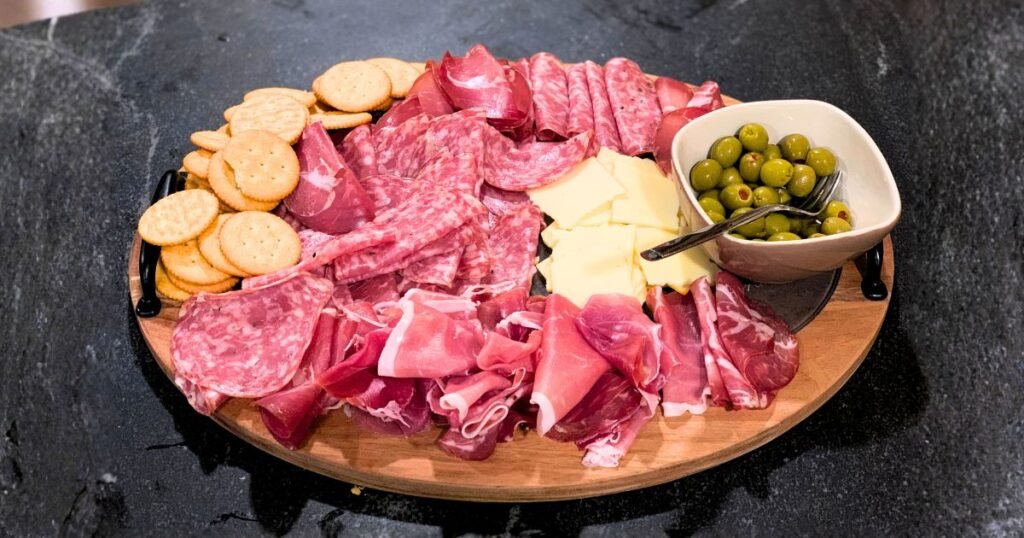
This easy-to-follow method provides a reliable formula for creating a balanced, visually appealing, and crowd-pleasing charcuterie board without overthinking every decision. Instead of randomly selecting ingredients at the grocery store, the 3-3-3 rule gives you a practical structure that helps you build a board with confidence.
Table of Contents
What Is the 3-3-3 (or 3-3-3-3) Rule?
At its core, the 3-3-3 rule charcuterie guideline is a simple framework for variety and balance. It’s a charcuterie board. The 3-3-3 rule is one of the simplest and most effective methods for building a charcuterie board. At its core, the rule focuses on variety and balance. Rather than overwhelming guests with dozens of random items, it encourages you to carefully select three options from key categories.
The result is a board that feels abundant and exciting while remaining organized and easy to enjoy. Many professional food stylists and caterers use a variation of this method because it creates natural harmony among flavors, textures, and colors.
A well-executed charcuterie board should offer guests a variety of experiences in every bite. Salty meats, creamy cheeses, sweet fruits, crunchy nuts, and crisp crackers all work together to create endless combinations. The 3-3-3 rule ensures those combinations exist without requiring extensive planning or a huge budget.
The Core Formula
The classic formula consists of three categories:
Three Types of Meats
The meat selection forms the foundation of traditional charcuterie. Choosing three different styles creates variety in texture, flavor intensity, and presentation.
Typically, you’ll want:
- One delicate sliced meat
- One firm cured sausage
- One unique or specialty option
This combination ensures guests have choices ranging from mild to bold.
Three Types of Cheeses
Cheese provides richness and complexity while acting as a bridge between other ingredients.
The ideal trio includes:
- One soft cheese
- One semi-hard or hard cheese
- One strong or distinctive cheese
This combination appeals to a wide range of preferences while providing different textures and flavor profiles.
Three Types of Accompaniments
Accompaniments create contrast.
Without fruits, nuts, jams, or pickled items, a board can feel overly rich and one-dimensional.
Most successful boards include:
- One sweet accompaniment
- One tangy or briny accompaniment
- One crunchy accompaniment
These elements refresh the palate and encourage guests to experiment with pairings.
Optional: Three Types of Starches
Many modern hosts expand the rule into a 3-3-3-3 format by adding starches.
This category may include:
- Crackers
- Bread
- Breadsticks
- Flatbreads
- Crostini
Since most guests use crackers or bread as a base for meats and cheeses, this addition often makes the board more practical and satisfying.
The beauty of the 3-3-3 formula is that it scales easily. You can use it for a small board serving four people or expand it into a large grazing table serving dozens of guests.
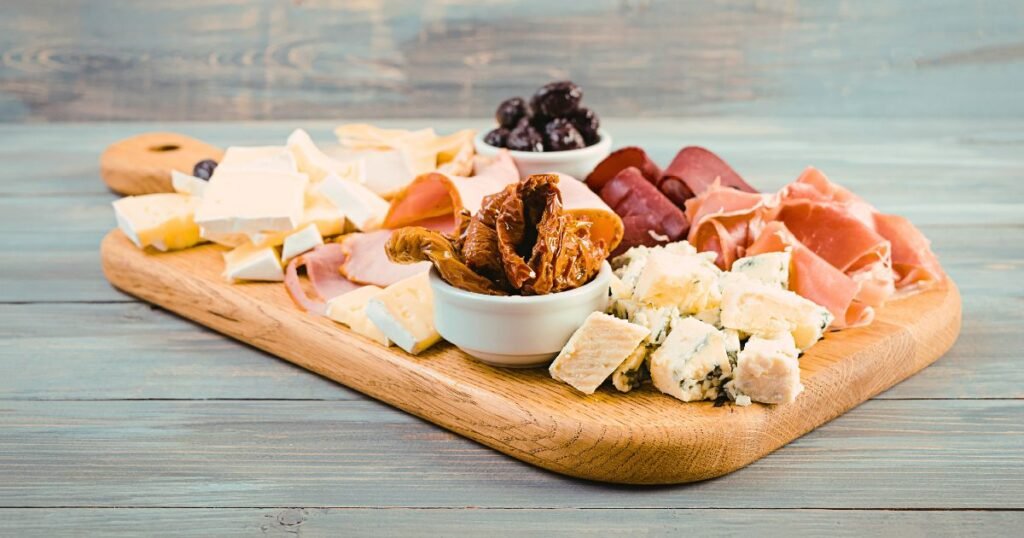
Choosing Each Element for Your Board
Once you understand the structure, the next step is selecting ingredients that complement one another. The goal isn’t simply to choose your favorite foods. Instead, focus on creating contrast and balance.
When guests approach a charcuterie board, they naturally seek variety. Every ingredient should contribute something unique to the overall experience.
Meats
Traditional charcuterie originated as a method of preserving meat. Today, cured meats remain one of the most exciting components of a charcuterie board.
Selecting three different meats provides opportunities for guests to explore different flavors and textures.
Thinly Sliced Cured Meat
Thinly sliced meats bring elegance and sophistication.
Their delicate texture makes them easy to fold, roll, and arrange creatively.
Popular options include:
Prosciutto
Prosciutto is one of the most beloved charcuterie meats.
Its characteristics include:
- Buttery texture
- Delicate saltiness
- Melt-in-your-mouth consistency
Prosciutto pairs exceptionally well with:
- Brie
- Fresh figs
- Pears
- Honey
- Melon
Coppa
- Coppa offers a richer flavor thanks to its marbling.
- Guests who enjoy slightly more robust cured meats often gravitate toward this option.
Bresaola
- Made from air-dried beef, Bresaola is lean and sophisticated.
- Its deep flavor complements aged cheeses and peppery accompaniments.
Firm Cured Sausage
- Firm sausages add substance and texture.
- These meats are typically sliced into rounds and offer a satisfying chew.
Hard Salami
A charcuterie classic.
Hard salami provides:
- Savory flavor
- Mild spice
- Excellent versatility
It pairs well with nearly every cheese style.
Chorizo
- Spanish-style chorizo introduces smoky paprika flavors.
- This adds warmth and complexity to the board.
Soppressata
- Soppressata delivers rustic character with garlic and spice notes.
- Its bold flavor balances milder cheeses beautifully.
Specialty Meat Options
The third meat selection allows creativity.
Options include:
- Smoked turkey
- Duck prosciutto
- Pâté
- Mortadella
- Speck
- Smoked ham
Adding one unexpected ingredient often becomes a conversation starter among guests.
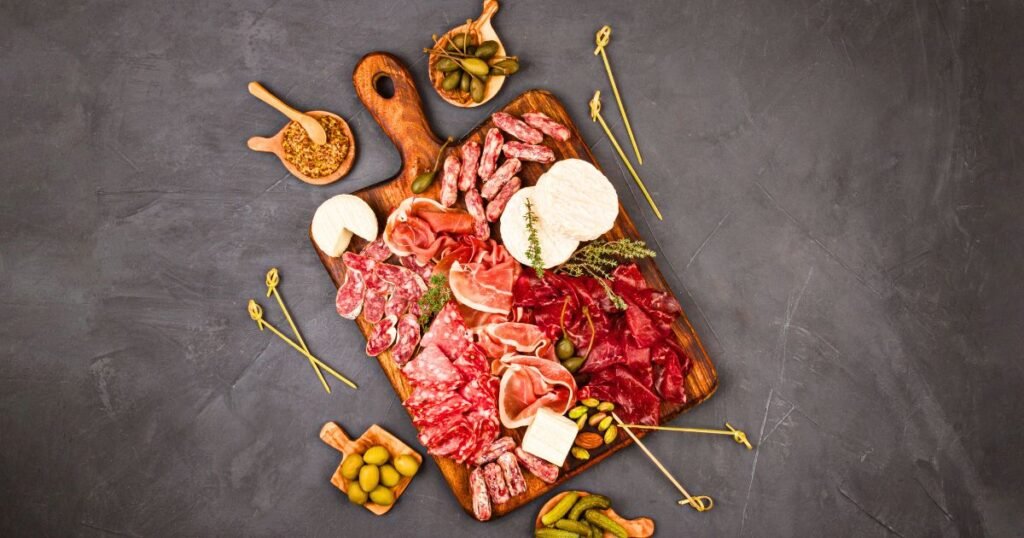
Cheeses
Cheese is often the star attraction of a charcuterie board.
Selecting three contrasting styles ensures broad appeal and creates opportunities for exciting pairings.
A balanced cheese selection should include multiple textures and flavor intensities.
Soft Cheese
- Soft cheeses provide creaminess and richness.
- Their spreadable texture contrasts beautifully with crackers and crunchy accompaniments.
Brie
Brie remains one of the most popular choices.
Its characteristics include:
- Buttery flavor
- Creamy interior
- Mild aroma
Brie pairs exceptionally well with fruit, honey, and nuts.
Camembert
- Camembert resembles Brie but offers a deeper earthy flavor.
- Guests who enjoy French cheeses often appreciate their complexity.
Goat Cheese
- Fresh chèvre contributes brightness and tanginess.
- Its creamy texture works wonderfully with berries and herbs.
Hard or Semi-Hard Cheese
These cheeses provide structure and deeper flavor.
Aged Cheddar
- Sharp, nutty, and slightly crumbly.
- Aged cheddar is often one of the first cheeses guests reach for.
Manchego
This Spanish sheep’s milk cheese provides:
- Nutty notes
- Firm texture
- Subtle sweetness
It pairs wonderfully with almonds and cured meats.
Gouda
- Gouda can range from creamy and mild to intensely aged and caramel-like.
- Aged Gouda offers crunchy protein crystals that many guests love.
Bold or Blue Cheese
The final cheese adds excitement.
Gorgonzola
- Creamy and approachable.
- A good introduction for guests who are new to blue cheese.
Stilton
- Rich and earthy with a stronger blue flavor.
Roquefort
- One of the world’s most famous blue cheeses.
- Its sharp tang provides dramatic contrast to sweet accompaniments like honey and figs.
Accompaniments
Accompaniments transform a collection of meats and cheeses into a complete culinary experience.
- These additions provide freshness, sweetness, acidity, and texture.
- Without them, the board can feel heavy and repetitive.
Sweet Elements
Sweet ingredients help balance salty meats and rich cheeses.
Popular options include:
Fresh Fruit
Fresh fruit adds color and freshness.
Excellent choices include:
- Grapes
- Strawberries
- Blackberries
- Pear slices
- Apple slices
- Fresh figs
Dried Fruit
Dried fruit provides concentrated sweetness.
Favorites include:
- Apricots
- Dates
- Cranberries
- Cherries
Honey and Honeycomb
- Honey enhances both mild and strong cheeses.
- Honeycomb also creates visual drama and elegance.
Briny and Tangy Elements
Acidic ingredients refresh the palate.
These accompaniments help balance richer foods.
Common choices include:
- Cornichons
- Castelvetrano olives
- Kalamata olives
- Pickled onions
- Pickled vegetables
- Marinated artichokes
The acidity keeps guests coming back for another bite.
Crunchy Elements
Crunch creates an important textural contrast.
Popular options include:
- Marcona almonds
- Pistachios
- Candied pecans
- Walnuts
- Roasted cashews
These ingredients also help fill empty spaces on the board while enhancing presentation.
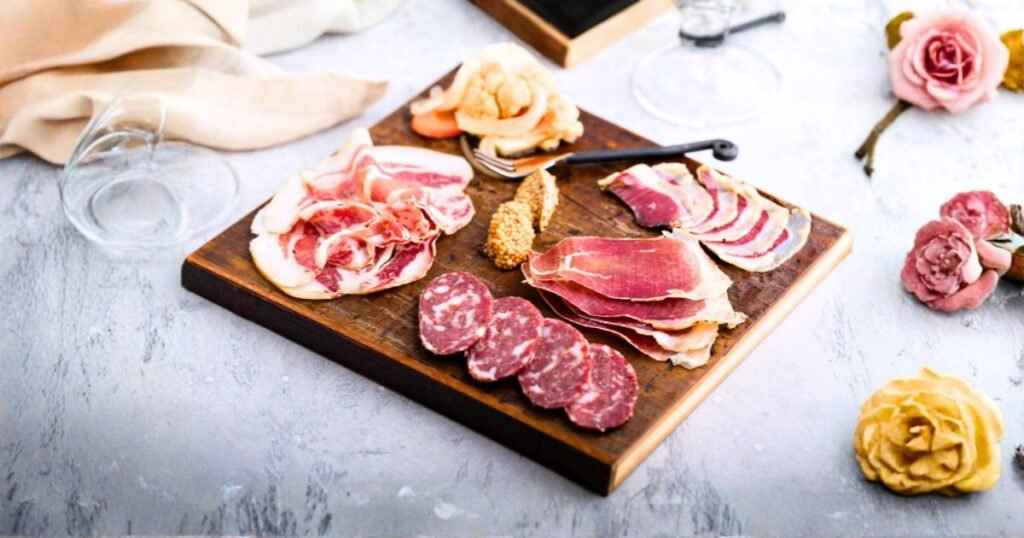
Starches (if using the 3-3-3-3 version)
Many hosts consider starches essential.
Without them, guests may struggle to combine ingredients into satisfying bites.
The best boards include several starch options with different textures.
Crackers
Offer variety rather than relying on one style.
Good choices include:
- Water crackers
- Butter crackers
- Seeded crackers
- Whole-grain crackers
Bread
Fresh bread adds warmth and comfort.
Excellent options include:
- Baguette slices
- Crostini
- Sourdough
- Rustic artisan bread
Specialty Crisps
Specialty crackers can add unique flavors.
Examples include:
- Fig and olive crisps
- Rosemary crackers
- Parmesan crisps
- Flatbreads
A variety of starches ensures every guest finds something they enjoy.
Why the 3-3-3 Rule Works?
The popularity of the 3-3-3 rule isn’t accidental.
It solves many of the most common challenges people face when building charcuterie boards.
From shopping efficiency to visual presentation, this simple framework creates consistency and confidence.
Benefits for Hosts and Guests
It Creates Natural Balance
- Every category serves a purpose.
- Meats provide savory richness.
- Cheeses provide creaminess.
- Accompaniments provide contrast.
- Starches provide structure.
- Together, they create an experience that feels complete.
It Simplifies Shopping
- Many people overspend because they purchase too many ingredients.
- The 3-3-3 rule creates clear boundaries.
- Instead of buying everything that looks appealing, you focus on selecting the best three options from each category.
- This saves both time and money.
It Improves Presentation
Visual variety naturally creates beauty.
Different colors, shapes, and textures make the board appear abundant and professionally styled.
A board featuring:
- Red salami
- White Brie
- Green olives
- Purple grapes
- Golden crackers
Will immediately look more appealing than one dominated by similar colors.
It Prevents Guest Overwhelm
- Too many options can actually reduce enjoyment.
- A thoughtfully curated board feels approachable while still offering variety.
- Guests can easily identify pairings and create combinations without feeling overwhelmed.
It Encourages Creativity
Perhaps the greatest strength of the 3-3-3 rule is flexibility.
Once you understand the structure,
You can endlessly customize it based on:
- Season
- Occasion
- Budget
- Dietary preferences
- Personal taste
The framework remains the same while the ingredients change.
This balance between structure and creativity is exactly why the 3-3-3 rule continues to be one of the most trusted approaches to charcuterie board design.
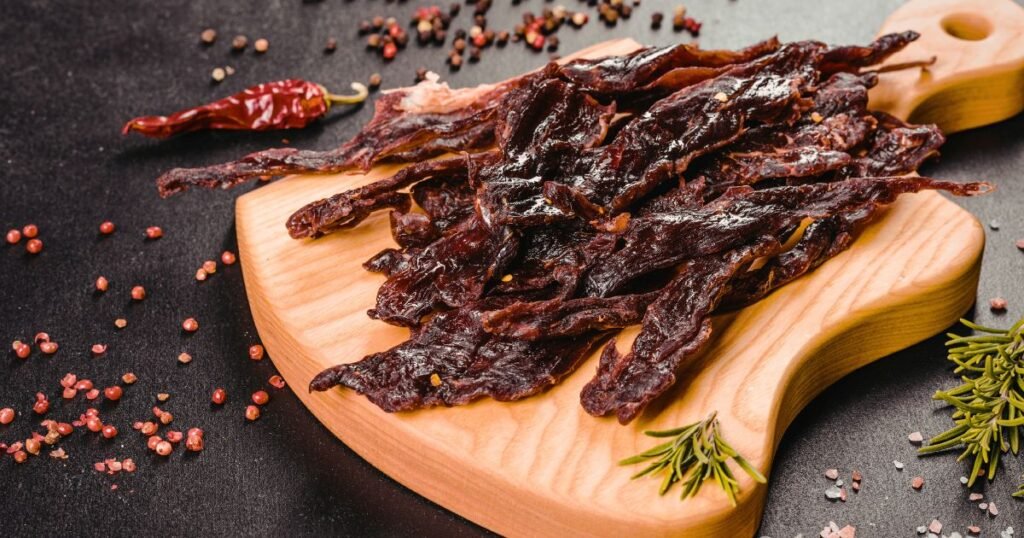
Step-by-Step: Assembling a 3-3-3 Rule Charcuterie Board
Understanding the 3-3-3 rule is only half the process. The real magic happens when you transform those carefully selected ingredients into a visually stunning and highly functional charcuterie board. Professional-looking boards are not necessarily created with expensive ingredients—they are built using thoughtful placement, balance, and layering techniques.
The goal is to create a board that feels abundant, inviting, and easy for guests to navigate. Every item should be accessible while contributing to the overall presentation. Whether you’re creating a small board for two people or a large grazing spread for a crowd, following a systematic approach makes the assembly process simple and stress-free.
Step 1: Select and Prep Ingredients
Preparation is the secret behind every beautiful charcuterie board.
Many hosts make the mistake of pulling ingredients directly from their packaging and placing them on the board. Taking a few extra minutes to prepare each element properly dramatically improves both appearance and flavor.
Build a Balanced Ingredient List
For example, a classic 3-3-3-3 board might include:
Meats
- Prosciutto
- Soppressata
- Hard salami
Cheeses
- Brie
- Aged cheddar
- Gorgonzola
Accompaniments
- Fresh grapes
- Marcona almonds
- Cornichons
Starches
- Water crackers
- Crostini
- Fig and olive crisps
This combination offers:
- Soft and firm textures
- Sweet and savory contrasts
- Mild and bold flavors
- Multiple colors
Prepare Ingredients Properly
Before assembling:
Bring Cheese to Room Temperature
Cheese develops better flavor when slightly warmed.
Remove cheeses from refrigeration approximately:
- 30 minutes before serving for soft cheeses
- 45–60 minutes for aged cheeses
Cold cheese often tastes muted and less aromatic.
Slice Hard Cheeses
Pre-slicing makes serving easier and encourages guests to try multiple varieties.
Popular cutting styles include:
- Cubes
- Triangles
- Thin shards
- Crumble-style chunks
Fold and Style Meats
Instead of laying slices flat, create visual interest by:
- Folding slices in half
- Creating ribbons
- Forming salami roses
- Rolling prosciutto
These techniques add volume and elegance.
Wash Produce Thoroughly
Fresh fruits should be:
- Cleaned
- Dried completely
- Trimmed if necessary
Wet fruit can make the surrounding ingredients soggy.
Prepare Serving Accessories
Gather:
- Cheese knives
- Small spoons
- Spreaders
- Toothpicks
- Serving forks
Having dedicated utensils improves hygiene and guest convenience.
Step 2: Arrange the Board for Visual Appeal
Many people believe professional charcuterie boards require artistic talent.
In reality, they simply follow a few design principles.
Start with the Largest Items First
Large elements create the foundation.
Place:
- Cheese wedges
- Brie wheels
- Small bowls
- Large fruit clusters first.
These become the visual anchors around which everything else is arranged.
A good rule is to spread these larger elements evenly throughout the board rather than clustering them together.
Create Natural Zones
Professional boards often feature multiple mini-sections.
For example:
- Cheese area
- Meat area
- Fruit area
- Cracker area
These zones make the board easier to navigate while maintaining visual structure.
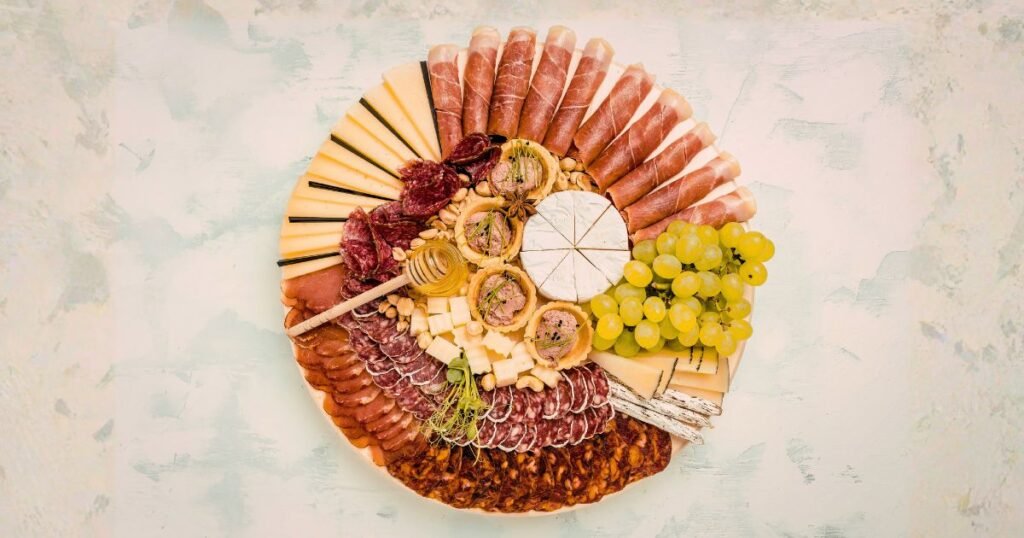
Arrange Meats Creatively
Meat presentation dramatically impacts the overall appearance.
Try these techniques:
Salami River
- Arrange overlapping salami slices in a curved line.
- This creates movement and guides the eye across the board.
Prosciutto Folds
- Gently fold slices into loose ribbons.
- This adds softness and volume.
Salami Roses
- Layer slices around the rim of a small glass and invert them.
- The result resembles a flower.
- Guests love this elegant touch.
Position Crackers Strategically
Avoid scattering crackers randomly.
Instead:
- Create fan patterns
- Build small stacks
- Arrange curved rows
This makes the board look organized and intentional.
Fill Gaps Intentionally
The secret to a luxurious-looking charcuterie board is minimizing empty space.
Use smaller ingredients such as:
- Nuts
- Berries
- Olives
- Dried fruit
To fill gaps between larger components.
This technique creates the abundant appearance seen in professional food photography.
Add Color Contrast
Color variety increases visual appeal.
Try balancing:
- White Brie
- Orange cheddar
- Red meats
- Green olives
- Purple grapes
The contrast naturally attracts attention.
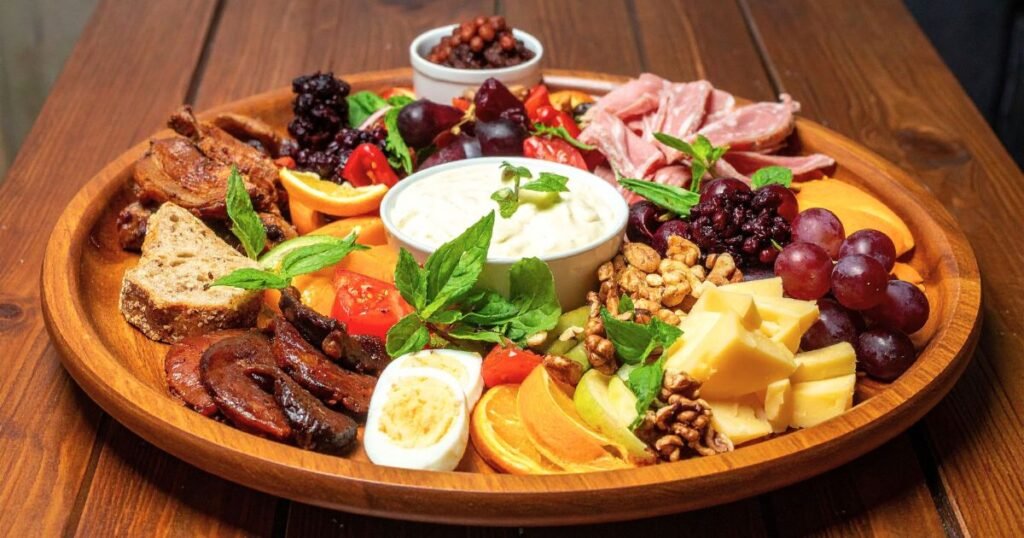
Incorporate Height
Boards look more dynamic when some elements sit higher than others.
Ways to add height include:
- Small bowls
- Stacked crackers
- Folded meats
- Layered fruit
Height creates dimension and prevents a flat appearance.
Step 3: Customize for Season or Dietary Needs
One reason the 3-3-3 rule remains so popular is its flexibility.
You can easily adapt the formula for virtually any occasion.
Seasonal Charcuterie Boards
Seasonal ingredients enhance freshness and create a timely presentation.
Spring
Focus on:
- Strawberries
- Fresh herbs
- Goat cheese
- Radishes
Spring boards feel light and vibrant.
Summer
Include:
- Watermelon
- Peaches
- Fresh berries
- Burrata
Summer boards emphasize freshness and color.
Fall
Popular additions include:
- Apple slices
- Pumpkin seeds
- Maple-glazed nuts
- Apple butter
These ingredients create warm, cozy flavors.
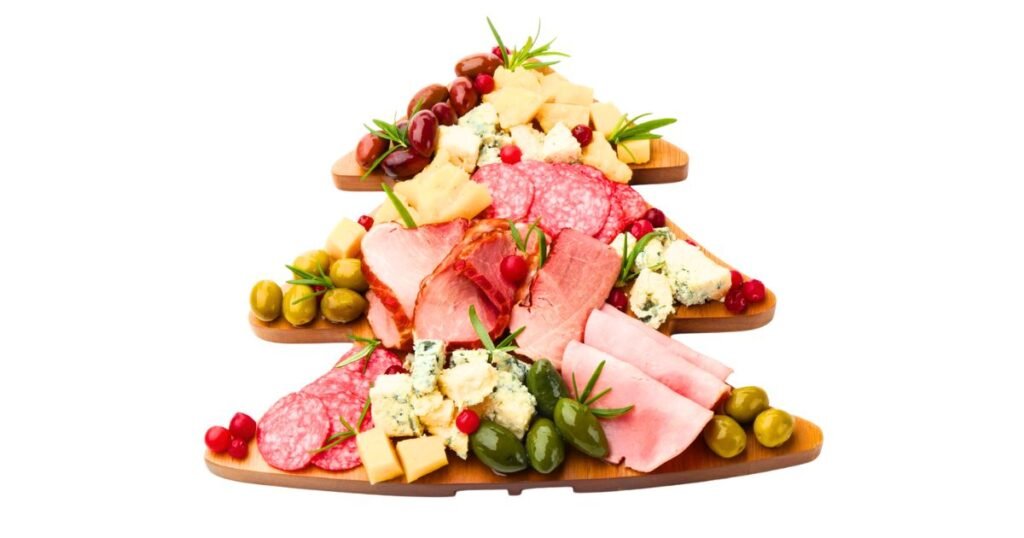
Winter & Holidays
Holiday boards often feature:
- Cranberries
- Candied pecans
- Brie
- Rosemary sprigs
The colors naturally complement festive gatherings.
Vegetarian Boards
The 3-3-3 rule works perfectly without meat.
Replace meats with:
- Roasted vegetables
- Marinated mushrooms
- Stuffed peppers
Maintain balance through texture variety.
Vegan Boards
Modern plant-based options make vegan boards easier than ever.
Include:
- Vegan cheeses
- Hummus
- Olive tapenade
- Roasted vegetables
Many guests may not even notice the absence of traditional ingredients.
Gluten-Free Boards
Simply substitute:
- Gluten-free crackers
- Rice crackers
- Seed crackers
For traditional bread products.
Kid-Friendly Boards
For family events, consider:
- Mild cheeses
- Turkey slices
- Strawberries
- Pretzels
- Chocolate-covered treats
Children often enjoy creating their own combinations.
Pro Tips and Creative Variations
Once you’ve mastered the traditional 3-3-3 formula, you can begin experimenting with creative themes and advanced styling techniques.
Create a Regional Theme
Regional boards can be both educational and delicious.
Italian Board
Include:
- Prosciutto
- Salami
- Parmesan
- Olives
- Focaccia
Spanish Board
Feature:
- Manchego
- Chorizo
- Marcona almonds
- Membrillo
French Board
Highlight:
- Brie
- Camembert
- Cornichons
- Baguette
Guests often enjoy discovering regional flavor combinations.
Build a Dessert Charcuterie Board
The 3-3-3 rule works beautifully for sweets.
Choose:
Three Chocolates
- Dark chocolate
- Milk chocolate
- White chocolate
Three Fruits
- Strawberries
- Bananas
- Raspberries
Three Sweet Extras
- Marshmallows
- Caramel sauce
- Cookies
Dessert boards are especially popular at birthdays and holiday gatherings.
Use Local Ingredients
Supporting local producers can elevate your board significantly.
Consider:
- Local cheeses
- Artisan salami
- Regional honey
- Farmers market fruits
Fresh local products often outperform mass-produced alternatives.
Practice Portion Planning
A common mistake is underestimating quantities.
For appetizers:
- 2–3 ounces cheese per person
- 2–3 ounces meat per person
For meal-style boards:
- Double those amounts
Proper planning prevents shortages.
Pair with Drinks
- Drink pairings enhance the experience.
Excellent options include:
White Wine
- Sauvignon Blanc
- Chardonnay
- Pinot Grigio
Red Wine
- Pinot Noir
- Merlot
- Grenache
Sparkling Wine
- Prosecco
- Champagne
- Cava
Non-Alcoholic Options
- Sparkling water
- Apple cider
- Iced tea
- Fruit spritzers
Matching beverages to the board elevates the entire gathering.
Remember the “Odd Number Rule”
Food stylists frequently arrange items in odd numbers.
Examples:
- 3 cheese wedges
- 5 strawberry clusters
- 7 cracker stacks
Odd numbers often appear more natural and visually pleasing.
Frequently Asked Questions: What Is the 3-3-3 Rule for Charcuterie Board?
Q. Is the 3-3-3 rule strict or just a guideline?
- It is a guideline, not a requirement. The goal is balance and variety, not perfection.
Q. Can beginners use the 3-3-3 rule?
- Absolutely. It is one of the easiest frameworks for creating a successful charcuterie board.
Q. How many people does a 3-3-3 board serve?
- Most standard boards comfortably serve 6–10 guests as an appetizer.
Q. What is the most important cheese to include?
- A soft cheese like Brie is often considered essential because of its crowd-pleasing flavor and creamy texture.
Q. Do I need expensive ingredients?
- No. A thoughtfully arranged board with affordable ingredients often looks and tastes just as impressive.
Q. How far in advance can I prepare a board?
- You can prep ingredients several hours ahead and assemble shortly before guests arrive.
Q. What fruits work best on charcuterie boards?
- Grapes, apples, pears, figs, berries, and dried apricots are among the most popular options.
Q. Can I make a charcuterie board without meat?
- Yes. Vegetarian charcuterie boards are increasingly popular and offer plenty of variety.
Q. What crackers should I choose?
- Offer at least two or three textures, such as butter crackers, seeded crackers, and crostini.
Q. How do I keep cheese fresh during a party?
- Avoid direct sunlight and limit room-temperature exposure to about two hours.
Q. Should every cheese have its own knife?
- Ideally, yes. Separate knives prevent flavor transfer between cheeses.
Q. What board material works best?
- Wood, marble, slate, and large serving trays all work well.
Q. How do I prevent the board from looking empty?
- Use smaller ingredients like nuts, berries, and olives to fill gaps between larger items.
Q. What drinks pair best with charcuterie?
- Wine, sparkling beverages, cider, and craft beer all pair beautifully depending on the ingredients.
Q. Can I use the 3-3-3 rule for holidays?
- Absolutely. Simply swap in seasonal ingredients while keeping the same basic structure.
Conclusion
The answer to “What is the 3-3-3 rule for charcuterie board?” is surprisingly simple, yet incredibly powerful. This easy formula provides a reliable blueprint for creating beautiful, balanced, and memorable charcuterie boards without stress or guesswork.
By selecting three meats, three cheeses, and three accompaniments—plus optional starches—you automatically create a foundation of flavor, texture, and visual appeal. The result is a board that feels abundant without becoming cluttered and sophisticated without requiring professional expertise.
Perhaps the greatest advantage of the 3-3-3 rule is its flexibility. Whether you’re hosting an elegant wine night, a holiday celebration, a casual family gathering, or a large party, the framework adapts effortlessly to your needs. You can customize ingredients based on season, dietary preferences, regional themes, or personal taste while maintaining the balance that makes charcuterie boards so enjoyable.
Most importantly, remember that charcuterie is about bringing people together. While presentation matters, the real purpose of the board is to encourage conversation, sharing, and connection. Start with the 3-3-3 rule, experiment with new combinations, and have fun developing your own signature style.