Are Charcuterie Boards Healthy? Smart Ingredients for a Balanced Board
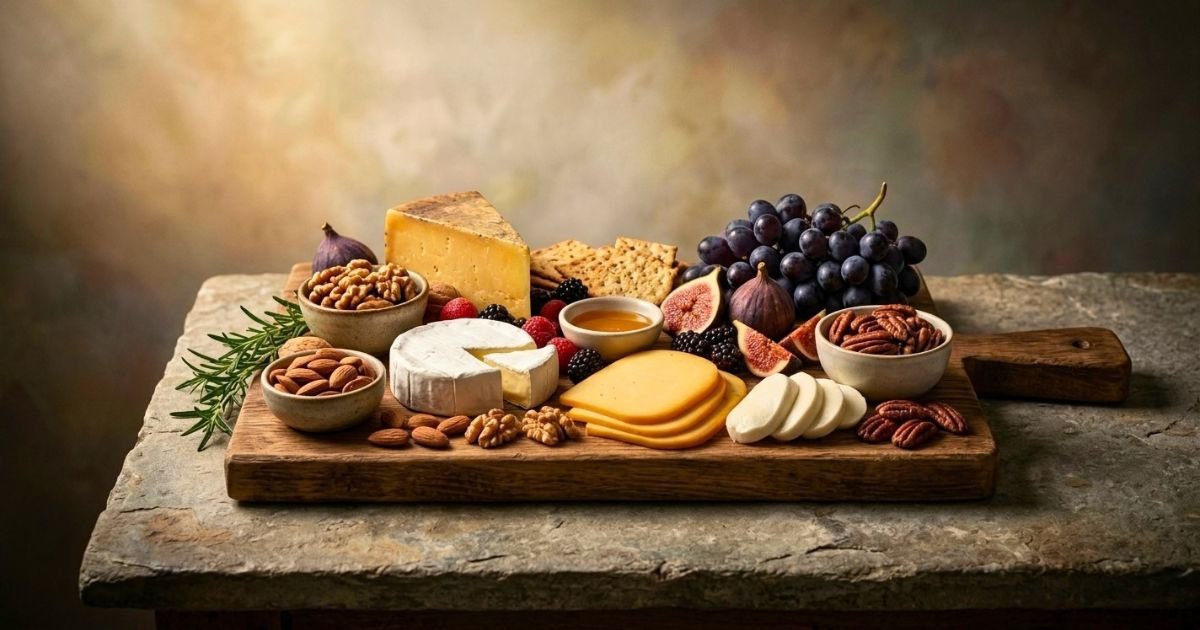
Over the past few years, charcuterie boards have evolved from simple appetizer platters into a centerpiece of modern entertaining. Social media platforms like Instagram and Pinterest are filled with beautifully arranged boards featuring cured meats, artisan cheeses, fresh fruits, nuts, crackers, and gourmet spreads. What was once a traditional European serving style has become a global food trend embraced for everything from holiday gatherings and date nights to family lunches and healthy snack spreads. Yet as charcuterie boards continue to gain popularity, many people are asking an important question: Are charcuterie boards actually healthy?
The answer depends entirely on what goes on the board. A traditional charcuterie board often includes processed meats, rich cheeses, sugary jams, and refined crackers. While these ingredients can be enjoyed in moderation, they may also contribute significant amounts of sodium, saturated fat, and calories. On the other hand, a thoughtfully designed charcuterie board can provide an impressive balance of protein, fiber, healthy fats, vitamins, minerals, and antioxidants.
The modern charcuterie board has become far more flexible than its traditional counterpart. Today’s boards frequently incorporate fresh vegetables, lean proteins, nutrient-dense dips, whole grains, and plant-based options, making them suitable for a wide variety of eating styles and health goals. Whether you’re trying to lose weight, follow a keto lifestyle, increase protein intake, support heart health, or simply make smarter snack choices, a well-built charcuterie board can fit seamlessly into your nutrition plan.
In this guide, you’ll learn how to transform an ordinary grazing board into a balanced and satisfying meal, discover the healthiest ingredients to include, and explore practical strategies for creating charcuterie boards that support your wellness goals without sacrificing flavor or presentation.
Table of Contents
The Health Reality: Are Charcuterie Boards Healthy?
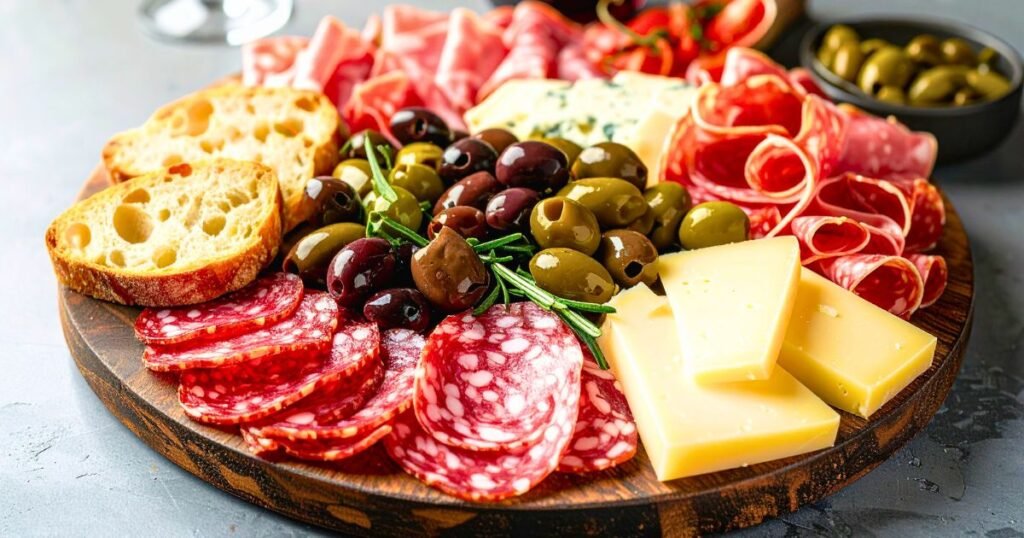
When evaluating whether charcuterie boards are healthy, it’s important to understand that not all boards are created equal. Traditional charcuterie originates from the French practice of preparing and preserving meats. Classic boards typically feature cured meats such as salami, prosciutto, soppressata, pepperoni, and various pâtés. These foods are prized for their flavor and long shelf life, but they can also be high in sodium, preservatives, saturated fat, and calories.
Similarly, many traditional cheese selections—including triple-cream brie, camembert, and aged cheddar—contain substantial amounts of saturated fat. Combined with crackers, bread, honey, and sweet preserves, the calorie content of a seemingly innocent charcuterie spread can increase quickly.
However, labeling all charcuterie boards as unhealthy would be misleading. The board itself isn’t the issue—the ingredients are. Think of a charcuterie board as a serving method rather than a specific food. It is essentially a collection of foods presented attractively on a platter. This means you have complete control over its nutritional value.
For example:
- A board loaded with processed meats, sweetened dried fruit, and refined crackers will have a very different nutritional profile than one filled with grilled chicken, fresh berries, vegetables, hummus, nuts, and whole-grain crackers.
- A board centered around vegetables, healthy fats, and lean proteins can provide lasting energy, improve satiety, and support balanced blood sugar levels.
- A thoughtfully designed board can help people consume a wider variety of nutrient-dense foods than they might otherwise eat in a traditional meal.
Research consistently shows that diets rich in fruits, vegetables, nuts, legumes, and lean proteins are associated with improved heart health, better weight management, and reduced risk of chronic disease. A healthy charcuterie board naturally incorporates many of these foods.
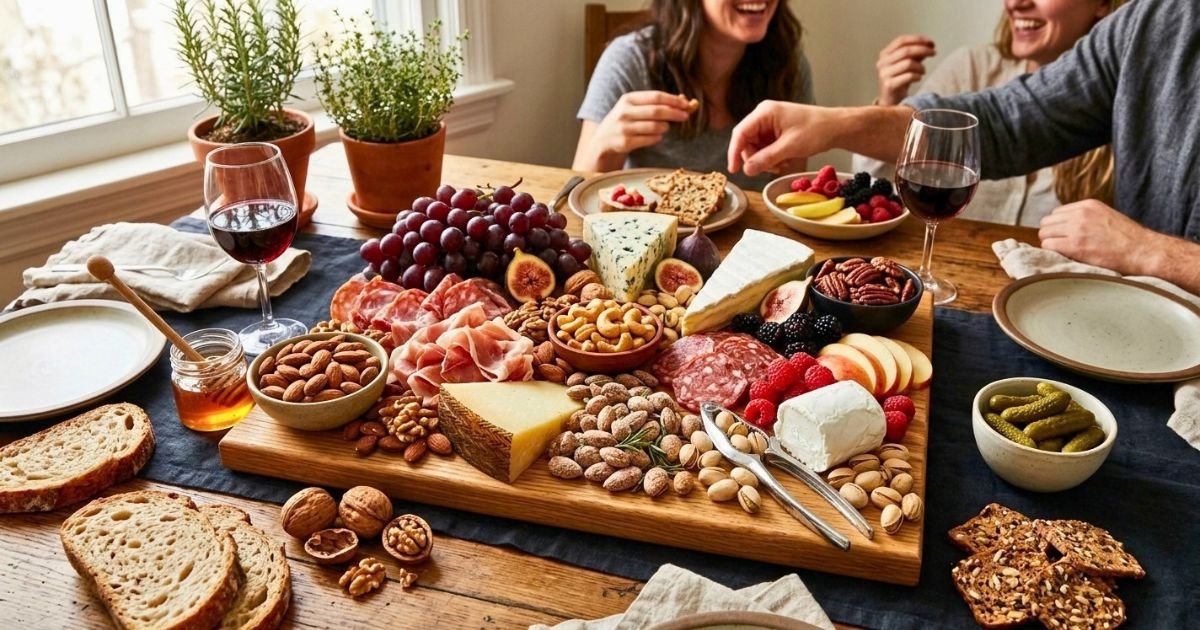
Another often-overlooked benefit is mindful eating. Because charcuterie boards encourage grazing and variety, many people find themselves eating more slowly and paying greater attention to hunger and fullness cues. This can lead to better portion awareness compared to consuming highly processed snack foods directly from a package.
Ultimately, the healthiness of a charcuterie board comes down to balance. By emphasizing whole foods and limiting heavily processed ingredients, you can create a board that is both visually impressive and nutritionally beneficial.
The modern healthy charcuterie board is less about indulgence and more about variety, moderation, and nutrient density. When constructed strategically, it can function as a complete meal, a balanced snack, or even a tool for supporting specific dietary goals.
Principles of a Healthy Charcuterie Board
A healthy charcuterie board is built on structure, not randomness. While traditional boards are often assembled based on visual appeal alone, a nutritionally optimized version follows dietary science principles that improve satiety, energy balance, and overall health outcomes.
Macronutrient Harmony
A truly balanced board should reflect the same structure as a well-composed meal:
- Protein (25–35%): Supports muscle maintenance, immune function, and fullness.
- Healthy fats (25–35%): Provide sustained energy and help absorb fat-soluble vitamins.
- Fiber-rich carbohydrates (30–50%): Promote digestion and gut microbiome health.
This balance prevents blood sugar spikes and helps maintain steady energy levels, making the board suitable as a full meal rather than just a snack.
Nutrient Density Over Volume
One of the most important principles is prioritizing nutrient density. Instead of focusing on how much food is included, focus on how many nutrients each item provides per calorie.
High nutrient-density foods include:
- Leafy greens and crunchy vegetables
- Fresh fruits rich in antioxidants
- Lean proteins with minimal processing
- Nuts and seeds in controlled portions
Low nutrient-density foods like sugary spreads, refined crackers, and processed meats should be limited to small accent portions.
Mindful Eating and Visual Balance
Charcuterie boards naturally encourage grazing, which can either support or hinder healthy eating depending on the structure.
To improve mindfulness:
- Arrange foods in clearly separated sections
- Use smaller plates or boards to prevent overeating
- Create visual symmetry with colors and textures
A visually appealing board often encourages slower eating, which improves digestion and satiety signaling.
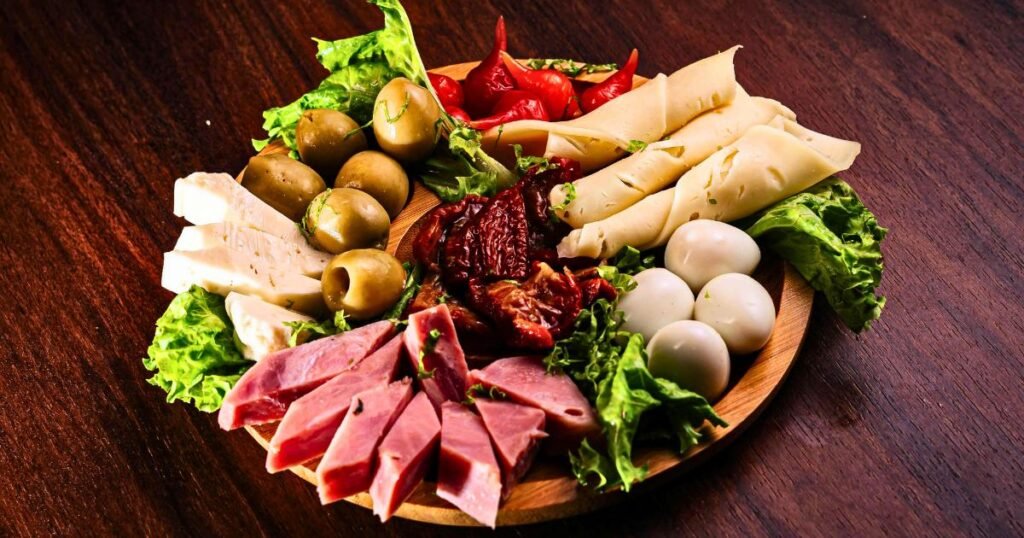
How to Build a Healthy Charcuterie Board: Step-by-Step Guide?
Constructing a healthy charcuterie board is both a nutritional strategy and a creative process. The goal is to build layers of flavor, texture, and nutrients while maintaining balance.
Step 1: Choose a Balanced Base
Start with a foundation of fresh, colorful ingredients. This ensures the majority of the board supports health goals.
Ideal base items include:
- Cucumber slices
- Bell pepper strips
- Cherry tomatoes
- Baby carrots
- Snap peas
- Apple and pear slices
This base should occupy nearly half of the total board space.
Step 2: Add Protein-Rich Anchors
Proteins help stabilize hunger and turn the board into a complete meal.
Recommended options:
- Grilled chicken breast strips
- Turkey slices (low-sodium preferred)
- Hard-boiled eggs
- Smoked salmon
- Edamame or roasted chickpeas
Protein should be distributed evenly across the board to ensure every bite contains satisfaction.
Step 3: Layer Healthy Fats Strategically
Healthy fats enhance flavor and support long-lasting fullness.
Include:
- Nuts (almonds, walnuts, pistachios)
- Seeds (pumpkin, sunflower, chia)
- Olives in small bowls or clusters
- Avocado slices or guacamole
Because fats are calorie-dense, portion control is essential even with healthy sources.
Step 4: Select Smart Cheese Options
Cheese adds richness and indulgence, but should be used thoughtfully.
Better choices:
- Goat cheese for a tangy flavor with lower lactose
- Feta for saltiness in small amounts
- Parmesan for intense flavor with minimal quantity
- Mozzarella for a lighter dairy option
Serving cheese in cubes or thin slices naturally controls portions.
Step 5: Include Smart Carbohydrates
Carbohydrates provide energy and structure for dips and toppings.
Healthier carb options:
- Whole-grain crackers
- Seed-based crispbreads
- Rye crackers
- Gluten-free almond crackers
For low-carb diets, replace crackers entirely with vegetables.
Step 6: Add Flavor-Enhancing Dips
Dips bring cohesion to the board and increase enjoyment.
Better choices include:
- Hummus (classic chickpea-based spread)
- Greek yogurt dips with herbs and lemon
- Guacamole
- Mustard or vinegar-based sauces
Homemade dips are preferable due to lower sodium and healthier oils.
Step 7: Finish with Accent Items
Accent foods elevate the sensory experience.
Examples:
- Dark chocolate squares (70%+)
- A few dried fruits, like apricots or figs
- Fresh herbs such as rosemary or basil
- Light honey drizzle for contrast
These elements should be minimal but intentional.
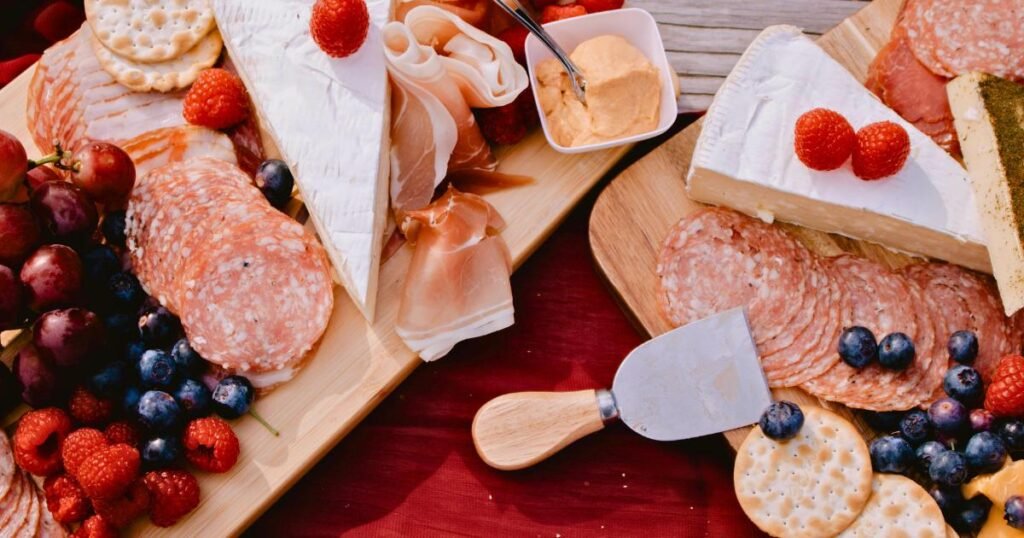
The Healthy Board Blueprint
A simple visual formula can help ensure balance every time:
- ½ plate (or board): Vegetables and fruits
- ¼ plate: Lean proteins
- ¼ plate: Healthy fats and cheeses
- Small accents: Dips, grains, and sweet items
This structure mirrors the “balanced plate” method used by dietitians and ensures nutritional completeness without overcomplication.
Healthy Charcuterie Board Variations
Different dietary needs require different board compositions. The versatility of charcuterie boards makes them ideal for customization.
Charcuterie Board for Weight Loss
A weight-loss board focuses on low-calorie density and high satiety.
Core strategy:
- Fill the board with vegetables (at least 70%)
- Use lean proteins as secondary components
- Keep fats and cheeses minimal but satisfying
- Avoid sugary dips and processed snacks
Best foods:
- Turkey breast
- Eggs
- Cucumbers, celery, carrots
- Berries
- Light yogurt dip
This structure supports calorie control without feeling restrictive.
Keto / Low-Carb Charcuterie Board
A keto board prioritizes fats and proteins while minimizing carbohydrates.
Key elements:
- Fatty meats (salami, pepperoni in moderation)
- Full-fat cheeses (brie, cheddar, blue cheese)
- Nuts and seeds
- Olives and avocado
- Low-carb vegetables
Carbs are minimized to maintain ketosis, but flavor remains rich and satisfying.
High-Protein / Protein Charcuterie Board
Designed for athletic performance and muscle recovery.
Ideal ingredients:
- Chicken breast slices
- Hard-boiled eggs
- Shrimp or seafood options
- Greek yogurt dip
- Cottage cheese
- Roasted chickpeas and edamame
This board supports post-workout recovery and sustained energy.
Healthy Snack Board for Families
A family-friendly board focuses on accessibility, fun, and nutrition.
Include:
- Cheese sticks and cubes
- Fruit slices (apples, oranges, grapes)
- Veggie sticks
- Nut or seed butters
- Whole-grain crackers
- Yogurt dip
This version encourages children to explore healthy foods playfully.
Conceptual Macro Comparison
| Board Variation | Primary Protein Source | Primary Fat Source | Primary Carb Source |
| Weight Loss | Turkey, Chicken, Eggs | Minimal (e.g., hummus) | Non-Starchy Veggies |
| Keto/Low-Carb | Cured Meats, Salami | Full-Fat Cheese, Nuts, Olives | Low-Carb Veggies (Celery) |
| High-Protein | Grilled Chicken, Eggs, Shrimp, Jerky, Greek Yogurt | Nuts, Hard Cheese | Veggies, Legumes (Chickpeas) |
| Family Snack | Cheese Sticks, Hummus | Nut/Seed Butter | Whole Grains, Fruits |
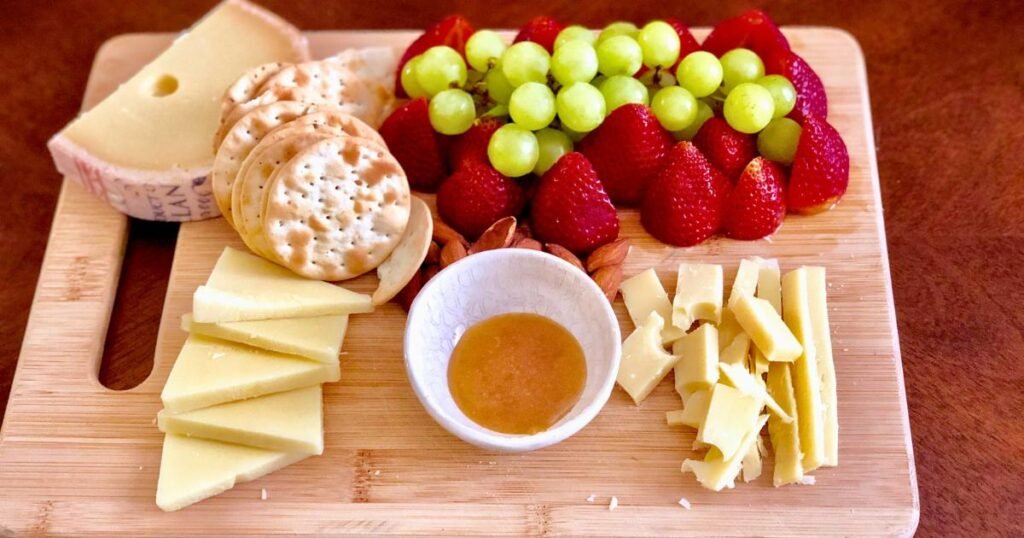
Tips for Making Charcuterie Healthier
Small adjustments can significantly improve the nutritional profile of your board.
Choose Minimally Processed Meats
Opt for:
- Low-sodium turkey
- Grilled chicken
- Fresh roasted meats
Limit:
- Highly processed cured meats with nitrates and preservatives
Increase Plant-Based Volume
Vegetables and fruits should dominate the board.
They:
- Add fiber
- Reduce calorie density
- Improve satiety
Control High-Calorie Additions
Even healthy foods can be calorie-heavy:
- Nuts should be portioned
- Cheese should be used sparingly
- Dips should be measured rather than free-poured
Use Herbs and Spices for Flavor
Enhance taste without adding calories:
- Rosemary
- Basil
- Dill
- Black pepper
- Chili flakes
Pre-Portion for Better Control
Instead of building a large grazing board, consider:
- Individual snack boxes
- Pre-portioned servings for meals
- Meal-prep style containers
This reduces the risk of overeating.
Are Charcuterie Boards Good for Weight Loss or Diets?
Yes, charcuterie boards can be highly effective for weight loss and structured diets when designed correctly.
For Weight Loss
They work because they:
- Increase visual satisfaction
- Encourage slower eating
- Promote high-volume, low-calorie meals
A properly designed board reduces hunger without excessive calorie intake.
For Keto and Low-Carb Diets
Charcuterie boards are naturally compatible with keto eating patterns because they:
- Emphasize fats and proteins
- Minimize carbohydrates
- Provide variety without cooking complexity
For Mediterranean Diets
They align well with Mediterranean principles:
- Olive oil
- Fresh vegetables
- Fish and lean proteins
- Nuts and legumes
For Gluten-Free Diets
Simply replace:
- Wheat crackers with gluten-free alternatives
- Or use vegetables as dippers
The flexibility makes it ideal for multiple dietary restrictions.
Sample Board Ideas & Quick Recipes
Keto Power Board
- Salami slices
- Brie cheese
- Almonds
- Olives
- Cucumber and bell pepper
High-fat, low-carb, satisfying.
High-Protein Recovery Board
- Grilled chicken strips
- Hard-boiled eggs
- Edamame
- Cottage cheese
- Snap peas
Perfect for post-workout recovery.
Weight-Loss Veggie Board
- Turkey breast slices
- Mixed vegetables
- Greek yogurt dip
- Strawberries
- Small rice cakes
Low-calorie but filling and nutrient-dense.
2-Minute Protein Yogurt Dip
- Lemon juice
- Garlic powder
- Dill
- Salt and pepper
Mix and serve as a high-protein dip for vegetables or proteins.
Common Questions & Myths
Q. Is a charcuterie board just a fancy, unhealthy snack?
- Not necessarily. While traditional boards can be high in sodium and saturated fat, a modern charcuterie board can be a balanced meal when it includes lean proteins, vegetables, fruits, and healthy fats. The health impact depends entirely on ingredient choices.
Q. Do charcuterie boards always lead to overeating?
- They can if portions are not controlled, but they don’t have to. Because boards encourage grazing, it’s easy to overeat calorie-dense items like cheese, nuts, and crackers. However, adding high-volume foods like vegetables helps naturally reduce overeating.
Q. Are all cured meats unhealthy?
- No, but they should be eaten in moderation. Cured meats like salami and prosciutto are high in sodium and preservatives, so they are best treated as accent items rather than the main protein source.
Q. Can charcuterie boards be part of a daily diet?
- Yes, if they are balanced. A daily charcuterie-style meal should prioritize whole foods, lean proteins, and vegetables while limiting processed meats and high-calorie extras.
Q. Are charcuterie boards good for heart health?
- They can be, if built correctly. Boards rich in vegetables, fruits, nuts, olive oil, and lean proteins support heart health. However, excessive processed meats and full-fat cheeses may negatively impact cardiovascular health.
Q. Is cheese bad for a healthy charcuterie board?
- Not at all. Cheese provides protein, calcium, and fat, but portion size matters. Choosing strong-flavored cheeses like Parmesan or feta allows you to use less while still enjoying flavor.
Q. Do charcuterie boards have too many calories?
- They can, especially when filled with cheese, crackers, and cured meats. But a veggie-heavy, lean-protein-based board can be surprisingly low in calories and very filling.
Q. Are charcuterie boards good for weight loss?
- Yes, when designed properly. A weight-loss-friendly board focuses on vegetables, lean proteins, and low-calorie dips while limiting high-fat and processed foods.
Q. Is a vegetarian charcuterie board healthy?
- Absolutely. A vegetarian board can be very nutrient-dense when it includes hummus, nuts, seeds, fruits, vegetables, and plant-based proteins like tofu or legumes.
Q. Can kids eat charcuterie boards safely?
- Yes. They can be a fun and healthy way for kids to explore different foods. Just avoid choking hazards and control portions of salty or sugary items.
Q. Are crackers necessary on a charcuterie board?
- No. Crackers are optional. For a healthier version, vegetables like cucumber slices, bell peppers, and celery sticks work as excellent substitutes.
Q. Is a keto charcuterie board actually healthy?
- It can be, but it depends on ingredient quality. A keto board should prioritize whole foods and healthy fats, not just processed meats and heavy cheese.
Q. Do charcuterie boards replace a full meal?
- They can. When properly balanced with protein, fiber, and healthy fats, a charcuterie board can function as a complete, satisfying meal.
Conclusion
A charcuterie board is not inherently healthy or unhealthy—it is a flexible eating format that reflects the choices of its creator. When built with intention, it becomes a powerful tool for balanced nutrition, portion control, and mindful eating. By focusing on whole foods, lean proteins, fiber-rich vegetables, and healthy fats, you can transform a traditional indulgent platter into a nutrient-dense, satisfying meal.
Whether your goal is weight loss, muscle gain, improved heart health, or simply better snacking habits, the modern healthy charcuterie board offers endless possibilities. With the right structure, it becomes more than food—it becomes a sustainable approach to everyday eating. The key takeaway is simple: you are in control of the board.