Best Crackers for a Charcuterie Board: Top Picks & Pairing Guide
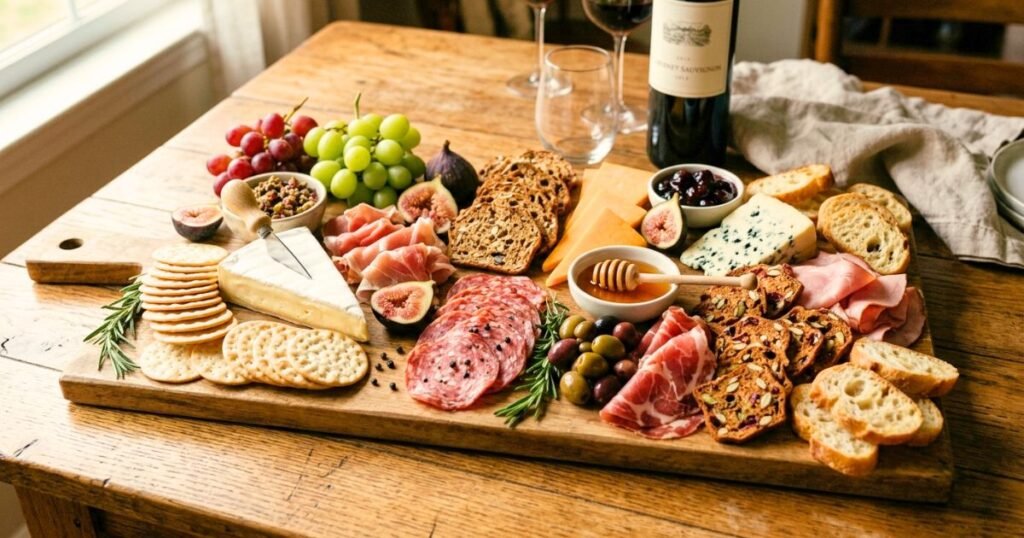
A thoughtfully arranged charcuterie board is much more than a tray of meats and cheese. It is a balanced combination of flavor, texture, color, and presentation that creates an enjoyable experience for guests. While cheeses, cured meats, fruits, and spreads often get the most attention, crackers are one of the most important elements on the board.
Crackers act as the foundation that holds everything together. They provide the crunch that contrasts creamy cheeses, the neutral base that balances salty meats, and the structure needed for spreads, jams, and toppings. Without the right crackers, even the most beautiful charcuterie board can feel incomplete.
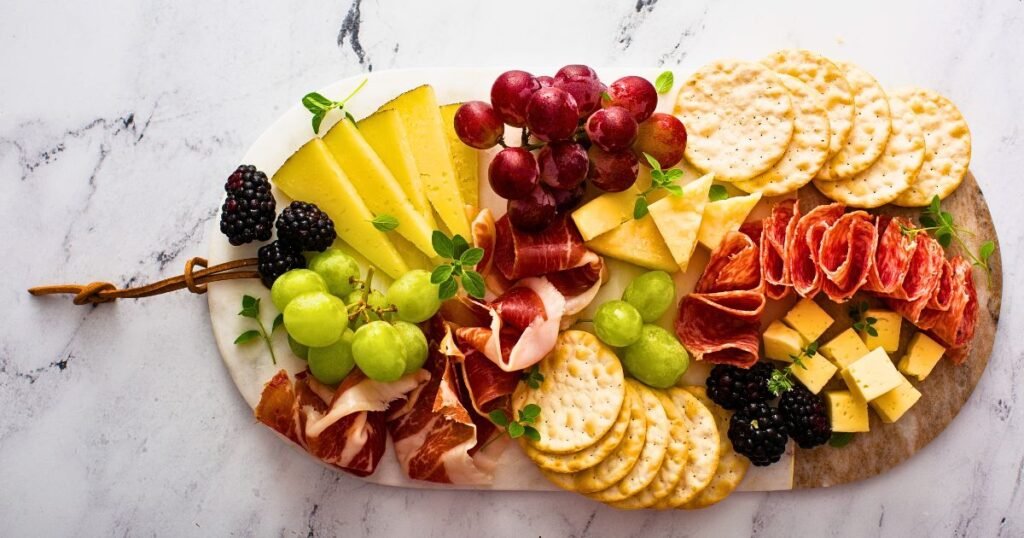
In this complete guide, you’ll learn how to choose the best crackers for a charcuterie board, understand different cracker styles, pair them with cheeses and meats, estimate serving amounts, and create a board that looks as impressive as it tastes.
Table of Contents
Why Matter on a Charcuterie Board?
Crackers do far more than simply fill space. They serve several practical and sensory purposes that improve the entire board.
Structural support: Crackers provide a sturdy base for stacking ingredients like sliced meats, soft cheeses, fruit preserves, nuts, and herbs. A good cracker should hold toppings without breaking too easily.
Flavor balance: Many charcuterie ingredients are rich, salty, tangy, or bold. Crackers help balance these strong flavors by offering a more neutral bite between richer foods.
Texture contrast: A successful board combines multiple textures:
- Creamy cheeses
- Tender meats
- Juicy fruits
- Crunchy crackers
This contrast keeps every bite interesting.
Visual variety: Different cracker shapes, colors, and sizes make the board more attractive. Round crackers, rectangular flatbreads, seeded crisps, and artisan styles all add visual dimension.
Easy Serving: Guests naturally reach for crackers first because they make assembling bites simple and mess-free.
A charcuterie board without crackers often feels incomplete because it lacks convenience, crunch, and balance.
Types of Crackers for Charcuterie Boards
Choosing multiple cracker styles gives your board more personality and versatility. Each type serves a different purpose.
Water Crackers (Neutral Base)
Water crackers are light, thin, crisp, and mild in flavor. They are among the most classic options for charcuterie boards.
Best Uses:
- Brie
- Camembert
- Blue cheese
- Manchego
- Prosciutto
- Smoked salmon
Why Choose Them:
- Do not overpower premium toppings
- Clean and elegant appearance
- Crisp texture with delicate crunch
- Excellent for formal gatherings
Pro Tip: Always include at least one neutral cracker, like water crackers, so guests can fully taste the cheese itself.
Whole Grain & Seeded Crackers (Nutty and Rustic)
These crackers contain grains, seeds, oats, flax, sesame, or rye. They have a hearty crunch and earthy flavor.
Best Uses:
- Sharp cheddar
- Gouda
- Gruyère
- Salami
- Nut butters
- Olive tapenade
Why Choose Them:
- Adds rustic charm
- More fiber and wholesome ingredients
- Rich texture and stronger crunch
- Great contrast to creamy cheeses
Pro Tips: Use these when you want your board to feel artisanal or farmhouse-inspired.
Butter Crackers (Rich and Flaky)
Butter crackers are rich, tender, slightly flaky, and widely loved by guests of all ages.
Best Uses:
- Mild cheddar
- Turkey slices
- Ham
- Chicken spreads
- Cream cheese blends
Why Choose Them:
- Familiar crowd-pleasing flavor
- Soft bite pairs well with firmer cheeses
- Great for casual gatherings
- Popular with kids and picky eaters
Pro Tips: Butter crackers are excellent for family events where simple flavors work best.
Artisan Flatbread Crackers
Flatbread crackers are thicker, crisp, and often flavored with herbs, sea salt, or spices.
Best Uses:
- Goat cheese
- Ricotta spreads
- Hummus
- Roasted vegetables
- Mediterranean meats
Why Choose Them:
- Premium look and texture
- Strong enough for dips and toppings
- Adds gourmet presentation
- Herb-infused varieties enhance flavor
Pro Tips: Rosemary- or olive oil flatbread crackers pair especially well with Mediterranean boards.
Gluten-Free Crackers
These crackers are made from rice, corn, almond flour, cassava, seeds, or other gluten-free ingredients.
Best Uses:
- Any cheese selection
- Guests with dietary restrictions
- Mixed boards with diverse options
Why Choose Them:
- Inclusive hosting option
- Often very crisp and light
- Wide range of textures available
- Great alternative to traditional wheat crackers
Pro Tips: Always separate gluten-free crackers slightly from regular crackers for guests with sensitivities.
Flavored Crackers (Herb, Cheese, or Sweet)
Flavored crackers include rosemary, garlic, black pepper, parmesan, fig, honey, and more.
Best Uses:
- Mild cheeses
- Brie with jam
- Goat cheese with honey
- Charcuterie with sweet-salty contrast
Why Choose Them:
- Adds depth and variety
- Creates memorable flavor pairings
- Helps the board feel elevated
- Great for themed boards
Pro Tips: Use flavored crackers in moderation so they complement rather than dominate the board.
How to Choose the Best Crackers for a Charcuterie Board?
Choosing crackers strategically helps create a more balanced and professional-looking board.
Balance Flavors
Use neutral crackers when serving bold cheeses like blue cheese or aged cheddar. Pair flavored crackers with milder toppings.
Example:
- Strong cheese + plain cracker
- Mild cheese + rosemary cracker
Mix Textures
Include several textures for variety:
- Thin and crisp
- Thick and crunchy
- Buttery and flaky
- Rustic and hearty
Texture variety keeps the board interesting.
Consider Size and Shape
Choose crackers that:
- They are easy to pick up
- Hold toppings well
- Fit comfortably in one bite
- Add visual contrast
Use rounds, squares, rectangles, and long crisps together.
Include Dietary Option
It’s smart hosting to include:
- Gluten-free crackers
- Vegan crackers
- Whole grain options
- Lower-carb alternatives, if possible
This allows more guests to enjoy the spread.
Perfect Cracker Pairings
Pairing crackers correctly makes every bite taste more intentional.
Best Cheese Pairings
| Cheese Type | Best Crackers |
|---|---|
| Brie | Water crackers |
| Sharp Cheddar | Whole grain |
| Goat cheese | Flatbread |
| Blue cheese | Neutral crackers |
| Gouda | Seeded crackers |
| Camembert | Butter crackers |
Best Meat Pairings
| Meat Type | Best Crackers |
|---|---|
| Prosciutto | Water crackers |
| Salami | Whole grain |
| Soppressata | Seeded crackers |
| Chorizo | Flavored crackers |
| Turkey | Butter crackers |
Best Spread Pairings
| Spread | Best Crackers |
|---|---|
| Hummus | Flatbread |
| Pâté | Butter crackers |
| Fig jam | Sweet crackers |
| Mustard | Seeded crackers |
| Olive Tapenade | Whole grain |
How Many Crackers Do You Need?
Crackers usually disappear faster than cheese or meat, so always prepare extra.
A practical rule:
- 3 – 4 crackers per person per hour for light snacking
- 5 – 7 crackers per person for appetizer-style boards
Example:
For 10 guests:
- Minimum: 40 crackers
- Safer amount: 60–80 crackers
Pro Tips: Refill crackers during the event rather than overcrowding the board at once.
Arrangement Tips for Visual Appeal
Presentation matters almost as much as taste.
Placement Strategy:
- Stack crackers in small groups
- Fan them out in curved lines
- Place near matching cheeses
- Spread cracker types across the board
Use Contrast: Mix light crackers beside dark fruits or meats for color balance.
Pro Tip: Leave open spaces so guests can grab crackers easily.
Common Mistakes to Avoid
Using Only One Type
- A single cracker style makes the board feel repetitive.
Overly Strong Flavors
- Too much garlic or spice can overpower delicate cheeses.
Poor Texture Choices
- Crackers that crumble too easily create frustration.
Ignoring Dietary Needs
- Always provide at least one gluten-free or allergy-friendly option.
Overcrowding the Board
- Too many crackers can hide the premium ingredients.
Budget vs Premium Crackers
You don’t need to overspend to build a beautiful board.
Budget Options:
- Plain water crackers
- Store-brand butter crackers
- Generic whole-grain crackers
Premium Options:
- Artisan flatbreads
- Imported seeded crackers
- Herb-infused gourmet crisps
Best Strategy:
- Combine affordable basics with 1–2 premium cracker styles.
- This keeps costs reasonable while still feeling elevated.
DIY Crackers (Optional Upgrade)
Homemade crackers add a personal and impressive touch.
Basic Ingredients:
- Flour
- Olive oil
- Salt
- Water
Optional Add-ins:
- Rosemary
- Parmesan
- Black pepper
- Honey
Why Make Them:
- Fresher taste
- Custom flavors
- Great for entertaining
- Adds handcrafted appeal
Seasonal Cracker Ideas
Matching crackers to the season adds extra charm.
Summer:
- Light crisp crackers
- Lemon herb flavors
- Sea salt crisps
Fall:
- Whole-grain crackers
- Pumpkin seed crisps
- Rosemary crackers
Winter:
- Buttery crackers
- Rich-seeded varieties
- Warm spice notes
Spring:
- Floral honey crackers
- Light herb crackers
- Delicate water crackers
FAQ: Best Crackers for a Charcuterie Board
Q. What are the best crackers for a charcuterie board?
- The best crackers include water crackers, whole grain crackers, seeded crackers, butter crackers, and artisan flatbreads.
Q. How many crackers should I serve on a charcuterie board?
- Plan for about 3–4 crackers per person per hour, and keep extra for refills.
Q. Should I use flavored crackers on a charcuterie board?
- Yes, flavored crackers add variety, but pair them with mild cheeses so they don’t overpower other ingredients.
Q. Are gluten-free crackers good for charcuterie boards?
- Yes, gluten-free crackers are a great option for guests with dietary needs and add more variety.
Q. How many types of crackers should I include?
- Include 3–5 different cracker types for the best mix of texture, flavor, and presentation.
Q. What crackers pair best with cheese?
- Water crackers pair well with soft cheeses, while whole-grain and seeded crackers match aged cheeses perfectly.
Final Thoughts
The Best Crackers for a Charcuterie Board are the ones that support and enhance the star ingredients rather than compete with them.
A great cracker selection should provide:
- Variety in texture
- Balance in flavor
- Attractive presentation
- Easy serving experience
- Inclusive options for guests
To summarize:
- Include both neutral and flavored crackers
- Mix thin, thick, soft, and crunchy textures
- Match crackers with cheeses and meats intentionally
- Always prepare more than you think you need
- Use arrangement techniques for visual appeal
When chosen thoughtfully, crackers turn a simple snack charcuterie board into a polished and memorable experience.