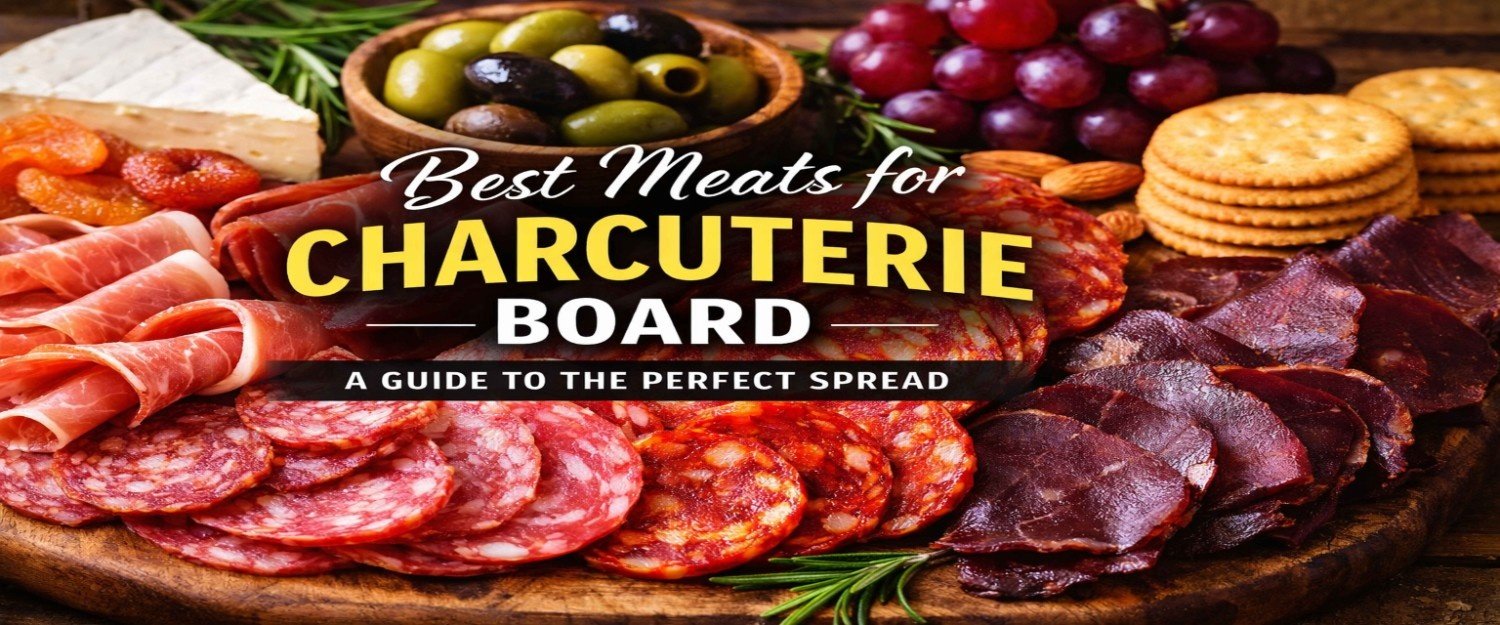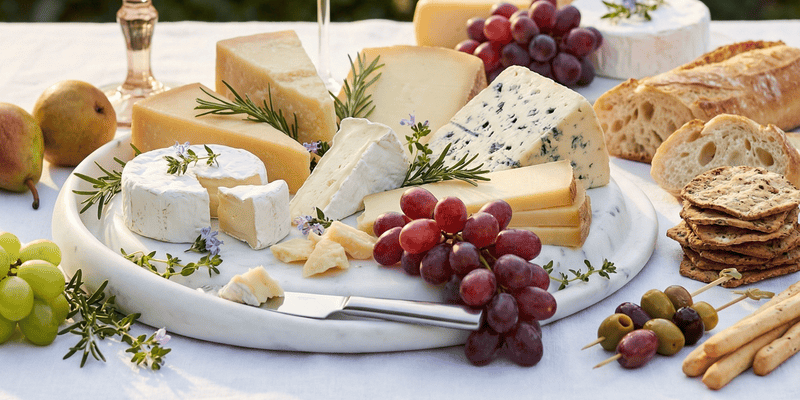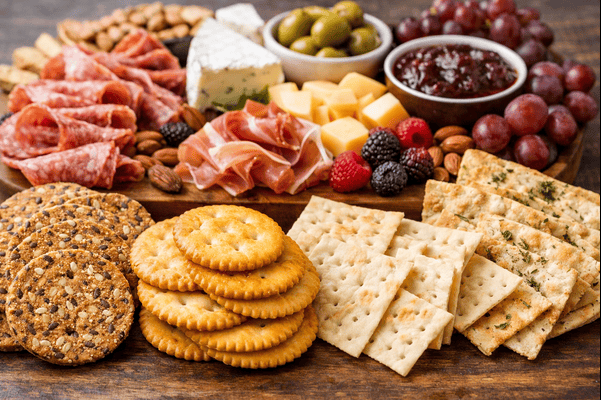
A well-curated charcuterie board is more than just meats and cheeses it’s a composition of textures, flavors, and visual appeal. While cured meats and artisan cheeses often steal the spotlight, crackers are the unsung heroes that bring everything together. The right cracker provides structure, balance, and a subtle base that enhances rather than overpowers the toppings.
In this comprehensive guide, you’ll learn everything you need to know about choosing the best crackers for a charcuterie board from textures and flavor profiles to pairing strategies and presentation tips.
Why Crackers Matter on a Charcuterie Board
Crackers play a functional and sensory role:
- Structural support: They hold meats, cheeses, spreads, and garnishes.
- Flavor balance: Neutral crackers let bold toppings shine.
- Texture contrast: They add crunch to complement creamy or soft elements.
- Visual variety: Different shapes and colors enhance board aesthetics.
A charcuterie board without crackers is incomplete—it lacks cohesion and usability.
Types of Crackers for Charcuterie Boards
Understanding different categories of crackers helps you build a more versatile and appealing board.
1. Water Crackers (Neutral Base)
Water crackers are thin, crisp, and almost flavorless. They are ideal when you want the toppings especially premium cheeses to take center stage.
Best Uses:
- Soft cheeses (brie, camembert)
- Strong cheeses (blue cheese)
- High-end cured meats
Why Choose Them:
- Minimal flavor interference
- Clean, crisp texture
- Elegant presentation
2. Whole Grain & Seeded Crackers (Nutty and Rustic)
These crackers are packed with seeds, grains, and fiber. They bring a hearty, earthy flavor and a more robust crunch.
Best Uses:
- Aged cheeses (cheddar, gouda)
- Nut-based spreads
- Salami and smoked meats
Why Choose Them:
- Adds depth and texture
- Healthier option
- Rustic aesthetic appeal
3. Butter Crackers (Rich and Flaky)
Butter crackers are slightly sweet, rich, and flaky. They melt in your mouth and complement savory toppings beautifully.
Best Uses:
- Mild cheeses
- Pâté and spreads
- Ham and turkey slices
Why Choose Them:
- Crowd-pleasing flavor
- Soft texture contrasts with hard cheeses
- Great for beginners
4. Artisan Flatbread Crackers
Flatbread crackers are thicker, crisp, and often infused with herbs like rosemary or thyme.
Best Uses:
- Soft cheeses (goat cheese, ricotta)
- Dips and hummus
- Mediterranean-style boards
Why Choose Them:
- Premium look and taste
- Strong enough for toppings
- Flavor-enhancing herbs
5. Gluten-Free Crackers
Made from rice, corn, almond flour, or seeds, gluten-free crackers cater to dietary restrictions without compromising variety.
Best Uses:
- Any cheese or meat
- Guests with dietary needs
Why Choose Them:
- Inclusive hosting
- Diverse textures
- Often lighter and crispier
6. Flavored Crackers (Herb, Cheese, or Sweet)
Best Uses:
Flavored crackers include options like garlic, rosemary, black pepper, cheese, or even sweet varieties like fig or honey.
- Pairing with complementary cheeses
- Adding complexity to the board
Why Choose Them:
- Enhance flavor combinations
- Add variety
- Elevate presentation
How to Choose the Best Crackers
Selecting the right crackers isn’t random—it’s strategic.
1. Balance Flavors
Avoid overpowering combinations. If your cheese is strong, use neutral crackers. If your crackers are flavored, pair them with mild toppings.
2. Mix Textures
A good board includes:
- Crisp and thin crackers
- Thick and crunchy options
- Light and airy varieties
3. Consider Size and Shape
Choose crackers that:
- Are easy to handle
- Fit toppings without breaking
- Offer visual diversity
4. Include Dietary Option
Always include:
- Gluten-free options
- Possibly low-carb or vegan choices
This ensures all guests can enjoy the board.
Perfect Cracker Pairings
Here’s how to match crackers with charcuterie components:
Cheese Pairings
| Cheese Type | Best Crackers |
|---|---|
| Brie | Water crackers |
| Cheddar | Whole grain |
| Goat cheese | Flatbread |
| Blue cheese | Neutral crackers |
| Gouda | Seeded crackers |
Meat Pairings
| Meat Type | Best Crackers |
|---|---|
| Prosciutto | Water crackers |
| Salami | Whole grain |
| Chorizo | Flavored crackers |
| Turkey | Butter crackers |
Spread Pairings
| Spread | Best Crackers |
|---|---|
| Hummus | Flatbread |
| Pâté | Butter crackers |
| Fig jam | Sweet crackers |
| Mustard | Seeded crackers |
How Many Crackers Do You Need?
A practical rule:
- 3–4 crackers per person per hour
- For a party of 10 → ~40–60 crackers minimum
Always provide extra. Crackers run out faster than meats and cheeses.
Arrangement Tips for Visual Appeal
Presentation is critical for charcuterie boards.
Placement Strategy:
- Scatter crackers in small stacks
- Place near corresponding cheeses
- Use different shapes for contrast
Pro Tip:
Avoid overcrowding. Leave space for easy grabbing.
Common Mistakes to Avoid
1. Using Only One Type
A board with only one cracker lacks variety.
2. Overly Strong Flavors
Garlic-heavy or spicy crackers can overpower delicate cheeses.
3. Poor Texture Choices
Soft crackers that break easily frustrate guests.
4. Ignoring Dietary Needs
Always include at least one gluten-free option.
Budget vs Premium Crackers
You don’t need to overspend.
Budget Options:
- Basic water crackers
- Store-brand butter crackers
Premium Options:
- Artisan flatbreads
- Seeded gourmet crackers
Strategy:
Mix both to balance cost and quality.
DIY Crackers (Optional Upgrade)
Making your own crackers adds a personal touch.
Basic Ingredients:
- Flour
- Olive oil
- Salt
- Water
Add-ons:
- Herbs
- Seeds
- Cheese
Homemade crackers can elevate your board significantly.
Seasonal Cracker Ideas
Summer:
- Light, crisp crackers
- Citrus or herb flavors
Winter:
- Hearty, seeded crackers
- Rich, buttery options
Final Thoughts
The best crackers for a charcuterie board are those that complement not compete with the main elements. A thoughtfully curated selection enhances flavor, improves texture, and elevates presentation.
To summarize:
- Include variety (texture, flavor, shape)
- Balance neutral and flavored options
- Consider pairings and dietary needs
- Focus on presentation and accessibility
When done right, crackers transform your charcuterie board from a simple snack into a memorable culinary experience.