Top 10 Best Meats for a Charcuterie Board You’ll Love
A beautifully crafted charcuterie board is much more than an appetizer—it’s an experience. Whether you’re hosting a holiday gathering, wine night, birthday celebration, or casual weekend get-together, the right combination of meats can instantly elevate your board from ordinary to unforgettable. While cheeses, fruits, crackers, and spreads often receive plenty of attention, the true star of any charcuterie board is the selection of cured and specialty meats. The flavors, textures, aromas, and visual appeal of carefully chosen meats create the foundation that everything else builds upon.
From delicate slices of prosciutto and rich Spanish ham to spicy salami and smoky chorizo, each meat contributes something unique. Understanding how to choose, pair, and arrange these meats will help you create a charcuterie board that looks professional and delights every guest.
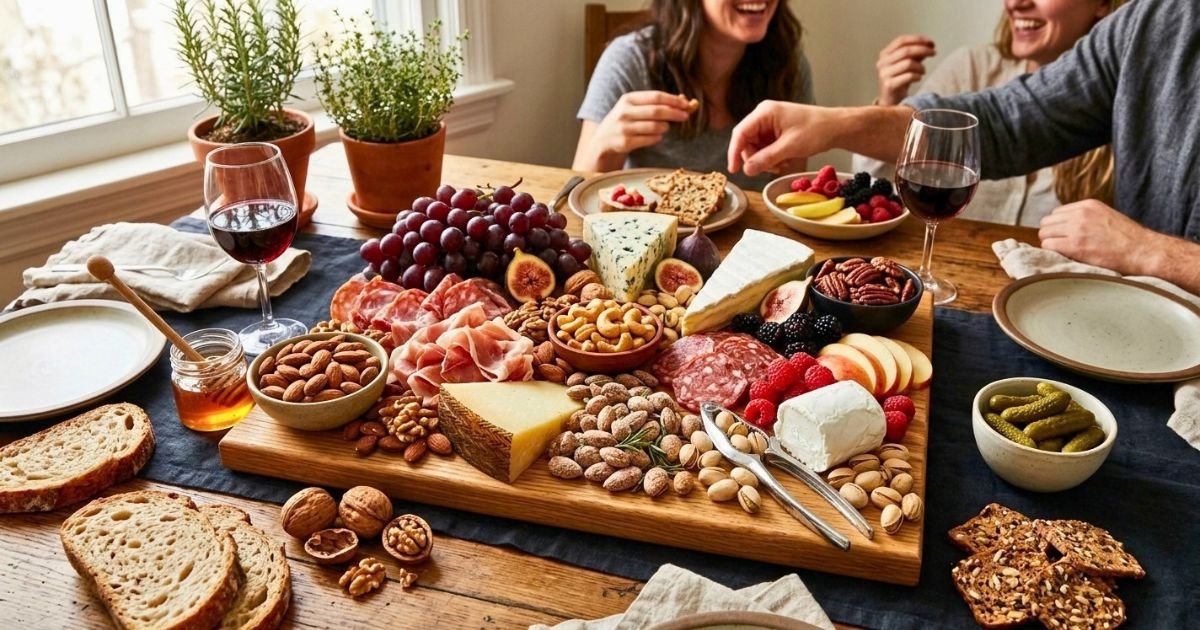
In this guide, you’ll discover the best meats for charcuterie boards, how to pair them successfully, serving recommendations, presentation techniques, and expert tips that will help you build a board worthy of any occasion.
Table of Contents
What Is a Charcuterie Board?
The word charcuterie originates from France and traditionally refers to the art of preparing and preserving meats through curing, smoking, salting, and aging. Historically, charcuterie was developed as a way to preserve meat before refrigeration existed.
Today, charcuterie has evolved into a popular entertaining trend that combines cured meats with complementary foods.
such as:
- Artisan cheeses
- Fresh fruits
- Dried fruits
- Crackers and breads
- Nuts
- Pickles
- Olives
- Honey and jams
- Dips and spreads
Modern charcuterie boards offer a balance of salty, sweet, creamy, crunchy, tangy, and savory elements. The goal is to create a grazing experience where guests can mix and match flavors to create their perfect bite. A successful charcuterie board starts with selecting high-quality meats that provide variety in flavor, texture, and appearance.
Why the Choice of Meats Matters?
Not all charcuterie meats are created equal. Choosing the right combination dramatically impacts the overall experience.
Flavor Variety
Different meats bring distinct flavor profiles:
- Prosciutto delivers delicate sweetness.
- Chorizo adds smoky spice.
- Salami offers rich, savory notes.
- Bresaola contributes lean, beefy flavor.
When these flavors work together, guests enjoy a more dynamic tasting experience.
Texture Contrast
Texture is often overlooked, but equally important.
A board becomes more interesting when it includes:
- Silky prosciutto
- Firm salami
- Tender mortadella
- Chewy chorizo
This variety keeps every bite exciting.
Visual Presentation
- Meats contribute significantly to the board’s appearance.
- The deep reds of bresaola, marbled patterns of coppa, and elegant folds of prosciutto create visual depth that makes the board look abundant and inviting.
Crowd Appeal
- Offering several meat styles ensures there is something for everyone, from adventurous food lovers to guests who prefer familiar flavors.
How to Select Meats for a Charcuterie Board?
Choosing meats doesn’t need to be complicated. Follow a few simple principles.
Balance Flavor Profiles
Aim for a combination of:
Mild
- Mortadella
- Prosciutto
Savory
- Genoa Salami
- Coppa
Smoky
- Speck
- Chorizo
Spicy
- Calabrese Salami
- Hot Soppressata
This balance prevents one flavor from dominating the board.
Think About Texture
Include different textures for contrast:
- Soft and delicate meats
- Firm sliced sausages
- Rich marbled cuts
- Lean cured meats
A mix of textures creates a more satisfying experience.
Consider Price and Quality
You don’t need luxury meats to create an impressive board.
Affordable options:
- Genoa salami
- Pepperoni
- Mortadella
Premium options:
- Jamón Ibérico
- Imported Prosciutto di Parma
- Truffle salami
Mixing affordable and premium meats often provides the best value.

Quantity Guidelines
One of the most common hosting questions is how much meat to serve.
As an Appetizer
Allow:
- 1–2 ounces of meat per person
As a Main Grazing Meal
Allow:
- 3–5 ounces per person
Recommended Variety
For small gatherings:
- 3 meat varieties
For medium gatherings:
- 4–5 meat varieties
For large parties:
- 5–7 meat varieties
Offering multiple options creates a more memorable tasting experience.
Top Meats for a Charcuterie Board
The following meats consistently rank among the most popular and versatile choices.
Prosciutto
Prosciutto is one of the most beloved charcuterie meats in the world.
Made from dry-cured pork leg, it is aged for months or even years to develop its distinctive flavor.
Why It Works
- Delicate texture
- Slight sweetness
- Elegant appearance
- Easy pairing options
Best Pairings
- Brie
- Fresh mozzarella
- Melon
- Figs
- Honey
Salami
Salami is a charcuterie staple available in countless styles.
Popular varieties include:
- Genoa Salami
- Soppressata
- Calabrese
- Finocchiona
Why It Works
- Rich flavor
- Long shelf life
- Excellent visual appeal
- Easy serving
Best Pairings
- Cheddar
- Provolone
- Olives
- Grainy mustard
Capicola (Coppa)
Coppa comes from the pork shoulder and neck area.
It is heavily seasoned before curing, resulting in a rich and flavorful product.
Why It Works
- Beautiful marbling
- Tender texture
- Rich flavor
Best Pairings
- Parmesan
- Pickled vegetables
- Honey
Jamón Serrano or Jamón Ibérico
Spanish cured ham delivers incredible depth of flavor.
Jamón Serrano offers excellent value, while Jamón Ibérico is considered one of the finest cured meats in the world.
Best Pairings
- Manchego
- Marcona almonds
- Quince paste
Mortadella
Mortadella provides a softer and creamier contrast to heavily cured meats. Often studded with pistachios, it adds visual interest and mild flavor.
Best Pairings
- Pistachios
- Focaccia
- Ricotta
- Fresh bread
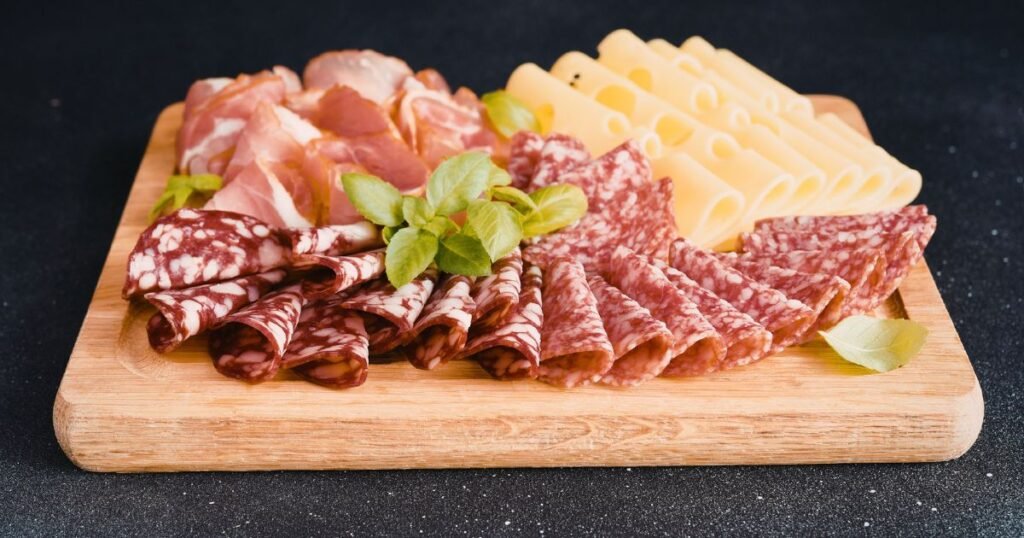
Chorizo
Spanish chorizo is seasoned with smoked paprika, creating its signature flavor.
Why Guests Love It
- Bold flavor
- Vibrant color
- Excellent wine pairing
Best Pairings
- Manchego
- Roasted peppers
- Smoked Gouda
Bresaola
Bresaola is made from air-dried beef rather than pork.
Its lean texture offers balance among richer meats.
Best Pairings
- Parmesan
- Arugula
- Lemon
Pepperoni
Pepperoni remains one of the easiest crowd-pleasers.
Its familiar flavor appeals to guests of all ages.
Best Pairings
- Cheddar
- Hot honey
- Crackers
Speck
Speck combines curing and smoking techniques.
It delivers a smoky flavor that stands out on any board.
Best Pairings
- Gruyère
- Apples
- Rye crackers
Pancetta
Pancetta is Italian cured pork belly.
Thin slices add richness and luxurious texture.
Best Pairings
- Pecorino
- Olives
- Rustic bread
Pairing Tips: Meats, Cheeses, and Accompaniments
Successful charcuterie boards depend on thoughtful pairings.
Meat and Cheese Pairings
- Prosciutto + Brie
- Salami + Aged Cheddar
- Chorizo + Manchego
- Coppa + Parmesan
- Mortadella + Ricotta
- Bresaola + Pecorino
Accompaniments to Elevate Flavor
Sweet Elements
- Honey
- Fig jam
- Grapes
- Pear slices
- Dried apricots
Tangy Elements
- Cornichons
- Pickled onions
- Pickled vegetables
Crunchy Elements
- Crackers
- Toasted baguette
- Almonds
- Walnuts
Combining sweet, salty, tangy, and crunchy flavors creates balance throughout the board.
Beverage Pairings
Drinks can significantly enhance charcuterie flavors.
Wine Pairings
Prosciutto
- Pinot Grigio
- Prosecco
Salami
- Chianti
- Cabernet Sauvignon
Chorizo
- Rioja
- Tempranillo
Beer Pairings
- Pilsner
- Belgian Ale
- Amber Lager
- Wheat Beer
Non-Alcoholic Options
- Sparkling water
- Apple cider
- Iced tea
- Fresh lemonade

How to Assemble Your Charcuterie Board?
Presentation is just as important as ingredient selection.
Step-by-Step Layout Guide
Start with Anchors
Place bowls first:
- Olives
- Nuts
- Jams
- Honey
These create structure.
Add the Cheese
- Space cheeses evenly around the board.
Place the Meats
Arrange meats in different shapes:
- Ribbons
- Rosettes
- Fans
- Folded quarters
This creates visual movement.
Fill Gaps
Add:
- Fruits
- Crackers
- Nuts
- Pickles
Fill empty spaces without overcrowding.
Garnish
Fresh herbs instantly elevate the presentation.
Use:
- Rosemary
- Thyme
- Sage
Serving Tips
Serve at Room Temperature
- Remove meats from refrigeration 20–30 minutes before serving.
- This allows flavors and aromas to fully develop.
Provide Serving Tools
Include:
- Cheese knives
- Small forks
- Tongs
- Spreaders
Refresh Throughout the Event
- Large gatherings benefit from occasional replenishment.
- Fresh additions keep the board attractive.
Common Mistakes to Avoid
- Overcrowding the Board: Guests need room to grab items comfortably.
- Ignoring Flavor Balance: Avoid using only spicy or only mild meats.
- Using Low-Quality Ingredients: A few premium meats often outperform a large quantity of average products.
- Forgetting Fresh Elements: Fruit and herbs add brightness that balances rich meats.
- Serving Everything Straight from the Refrigerator: Cold meats lose much of their flavor complexity.
Frequently Asked Questions: Top 10 Best Meats for a Charcuterie Board
Q. What are the best meats for a charcuterie board?
- The most popular charcuterie board meats include prosciutto, salami, soppressata, capicola (coppa), mortadella, chorizo, bresaola, and Jamón Serrano. A combination of mild, spicy, smoky, and savory meats creates the best variety for guests.
Q. How many different meats should I include on a charcuterie board?
- For most gatherings, 3 to 5 different meats provide the perfect balance of flavor and texture. Larger boards for parties or special occasions can include 6 to 8 varieties, creating a more impressive spread.
Q. How much meat do I need per person?
- As a general guideline, serve 1–2 ounces of meat per person when the charcuterie board is an appetizer. If it’s serving as the main meal, plan for 3–5 ounces of meat per guest.
Q. What meat pairs best with cheese on a charcuterie board?
- Prosciutto pairs beautifully with brie and fresh mozzarella, while salami complements aged cheddar and gouda. Chorizo works well with Manchego, and bresaola pairs perfectly with Parmesan and Pecorino cheeses.
Q. Can I create a charcuterie board without pork?
- Absolutely. Beef-based options like bresaola, roast beef, beef salami, and turkey charcuterie products make excellent alternatives. You can also include smoked chicken or turkey slices for additional variety.
Q. Should charcuterie meats be served cold or at room temperature?
- For the best flavor and texture, remove cured meats from the refrigerator about 20–30 minutes before serving. Allowing the meats to reach room temperature helps release their natural oils and enhances their taste.
Q. What is the easiest charcuterie meat for beginners?
- Prosciutto, Genoa salami, and mortadella are excellent beginner-friendly choices. They are widely available, easy to pair with cheeses and fruits, and generally enjoyed by most guests.
Q. How long can charcuterie meats stay out during a party?
- For food safety, cured meats should not remain at room temperature for more than two hours. During outdoor events or warm weather, reduce that time and consider replenishing smaller portions throughout the gathering.
Q. What are the best fruits to serve with charcuterie meats?
- Fresh grapes, figs, strawberries, apple slices, pears, blackberries, and dried apricots pair exceptionally well with cured meats. Their natural sweetness helps balance the saltiness of charcuterie.
Q. Can I prepare a charcuterie board in advance?
- Yes. You can prepare most ingredients several hours in advance and refrigerate them. For the freshest presentation, add crackers, bread, nuts, and delicate garnishes just before serving.
Final Thoughts
The secret to an exceptional charcuterie board isn’t simply buying expensive ingredients—it’s creating balance. Combining different flavors, textures, colors, and presentations transforms a simple platter into a memorable dining experience.
Whether you choose buttery prosciutto, spicy chorizo, savory salami, or luxurious Jamón Ibérico, every meat contributes something unique. Start with a variety of high-quality selections, pair them thoughtfully with cheeses and accompaniments, and arrange everything with intention.
With the right combination of meats and a little creativity, your next charcuterie board will become the centerpiece of any gathering and a conversation starter that guests will remember long after the last bite.