8 Delicious Charcuterie Boards Ideas for Picky Eaters
Getting kids excited about healthy food can sometimes feel impossible. One day they love strawberries, the next day they refuse them. They may ask for snacks every hour, but suddenly lose interest when a nutritious meal appears on the table. For many parents, finding a solution that is both healthy and enjoyable can be a daily challenge. That’s exactly why kid-friendly charcuterie boards have become so popular among parents, caregivers, and nutrition-conscious families. These colorful snack boards transform ordinary ingredients into an exciting food experience that encourages children to explore different flavors, textures, and food groups.
Unlike traditional meals, where everything is placed on a single plate, children’s charcuterie boards create a visual buffet filled with choices. Kids can mix and match foods, create their own combinations, and feel more involved in their eating experience. This sense of independence often leads to less resistance and greater willingness to try new foods.
The best part? You don’t need advanced cooking skills, expensive ingredients, or hours of preparation. Most kid-friendly snack boards can be assembled in just a few minutes using ingredients you already have in your refrigerator. Whether you’re planning after-school snacks, birthday parties, playdates, family movie nights, road trip lunches, or easy dinners, these charcuterie board ideas for kids can help make mealtime more enjoyable for everyone.
Table of Contents
Why Children’s Charcuterie is a Game-Changer?
Kid-focused charcuterie boards are more than a social media trend. They offer practical benefits that support healthy eating habits, reduce mealtime stress, and encourage positive food experiences.
Encourages Independence
Children naturally enjoy making choices. When food is presented on a grazing board, they can select what appeals to them instead of feeling forced to eat a pre-plated meal.
This simple change gives children a sense of control, which often reduces mealtime battles and resistance.
Supports Healthy Eating Habits
A well-balanced snack board allows parents to include multiple food groups in one presentation.
You can easily combine:
- Lean proteins
- Fresh fruits
- Colorful vegetables
- Healthy fats
- Whole grains
Research consistently shows that repeated exposure to healthy foods increases the likelihood that children will eventually accept and enjoy them.
Makes New Foods Less Intimidating
Many children become nervous when presented with unfamiliar foods. On a charcuterie board, new foods appear alongside familiar favorites.
For example:
- Carrot sticks next to cheese cubes
- Bell peppers beside crackers
- Kiwi slices next to strawberries
This creates a low-pressure environment that encourages exploration.
Great for Picky Eaters
Parents of picky eaters often discover that food presentation makes a huge difference.
A child who refuses a sandwich may happily eat:
- Turkey slices
- Cheese cubes
- Crackers
- Cucumbers
when served separately on a board.
Perfect for Busy Families
One of the biggest advantages is convenience.
Kid-friendly snack boards work perfectly for:
- School lunches
- Quick dinners
- Summer snacks
- Weekend gatherings
- Birthday parties
- Family movie nights
- Picnic lunches
Most boards can be assembled in less than 15 minutes.
Charcuterie Board Basics: Building a Kid-Friendly Foundation
Creating a balanced children’s charcuterie board is easier than many parents think. The secret is including a variety of foods that provide nutrition, color, texture, and fun.
A simple formula works every time:
Protein + Produce + Crunch + Healthy Fat + Fun Extra
Following this structure helps create a satisfying board that keeps children full longer while supporting healthy growth and development.
The 5 Core Components
Proteins
Protein provides energy, supports growth, and helps children stay full between meals.
Excellent protein options include:
- Turkey roll-ups
- Ham slices
- Chicken cubes
- Hard-boiled eggs
- Cheese sticks
- Greek yogurt
- Cottage cheese
- Edamame
- Roasted chickpeas
- Mini meatballs
- Tuna salad
- Hummus
For vegetarian families, beans and legumes provide excellent alternatives.
Cheeses
Cheese is often one of the easiest foods to include because most children already enjoy it.
Popular options include:
- Cheddar cubes
- Colby Jack
- Mozzarella pearls
- String cheese
- Swiss cheese
- Monterey Jack
- Babybel cheese rounds
- Cream cheese dip
Using different shapes and sizes can make cheese more exciting.
Try:
- Star-shaped cheese slices
- Cubes
- Sticks
- Mini rounds
Fruits & Veggies (The Color!)
Bright colors instantly make snack boards more appealing.
Vegetables
Offer a variety of textures and colors:
- Baby carrots
- Cucumber rounds
- Bell pepper strips
- Sugar snap peas
- Broccoli florets
- Celery sticks
- Cherry tomatoes (cut safely)
- Cauliflower florets
Fruits
Naturally sweet fruits often become the stars of the board.
Favorites include:
- Strawberries
- Blueberries
- Raspberries
- Blackberries
- Grapes
- Watermelon cubes
- Kiwi slices
- Apple wedges
- Pear slices
- Mandarin oranges
- Pineapple chunks
Using seasonal fruits improves flavor and reduces costs.
Carbs & Crunch
Children love crunchy foods, and healthy carbohydrate options provide lasting energy.
Popular choices include:
- Whole-grain crackers
- Pretzel sticks
- Mini rice cakes
- Pita chips
- Popcorn (age-appropriate)
- Mini muffins
- Toast points
- Bagel chips
- Tortilla chips
Offering multiple textures keeps the board interesting.
Dips & “Extras”
Dips often encourage children to eat more fruits and vegetables.
Popular kid-approved dips include:
- Ranch dressing
- Greek yogurt dip
- Hummus
- Guacamole
- Applesauce
- Fruit yogurt
- Cream cheese
- Sunflower seed butter
- Salsa
Small dipping bowls also add visual appeal to the board.
A Parent’s Guide to Safety First
While charcuterie boards are fun and engaging, safety should always come first—especially for toddlers and young children.
Watch for Choking Hazards
Certain foods require special preparation.
Always:
- Quarter grapes lengthwise
- Cut cherry tomatoes into quarters
- Slice hot dogs lengthwise
- Cut large berries into smaller pieces
- Avoid whole nuts for young children
- Avoid hard candies and chewing gum
These precautions dramatically reduce choking risks.
Consider Food Allergies
If serving multiple children, ask parents about allergies beforehand.
Common allergens include:
- Peanuts
- Tree nuts
- Dairy
- Eggs
- Soy
- Wheat
Using separate serving utensils can help prevent cross-contamination.
Keep Food Fresh
Perishable foods should not remain at room temperature for extended periods.
General guideline:
- Maximum 2 hours at room temperature
- 1 hour in hot outdoor conditions
For outdoor gatherings, place serving trays over ice packs to maintain freshness.
Practice Proper Hygiene
Always:
- Wash fruits and vegetables thoroughly
- Use clean cutting boards
- Wash your hands before preparation
- Store leftovers properly
Safe preparation ensures children enjoy their snack boards without unnecessary risks.
8 Creative Charcuterie Boards Ideas for Kids (That Actually Work)
Now comes the most exciting part—bringing your snack board to life with creative themes that children genuinely enjoy. The best kid-friendly charcuterie boards combine fun, nutrition, and visual appeal, turning ordinary snacks into memorable eating experiences. Whether you’re preparing an after-school treat, a birthday party platter, or a weekend family snack, these themed boards can help encourage healthy eating while keeping children engaged.
1. The Rainbow Snack Board
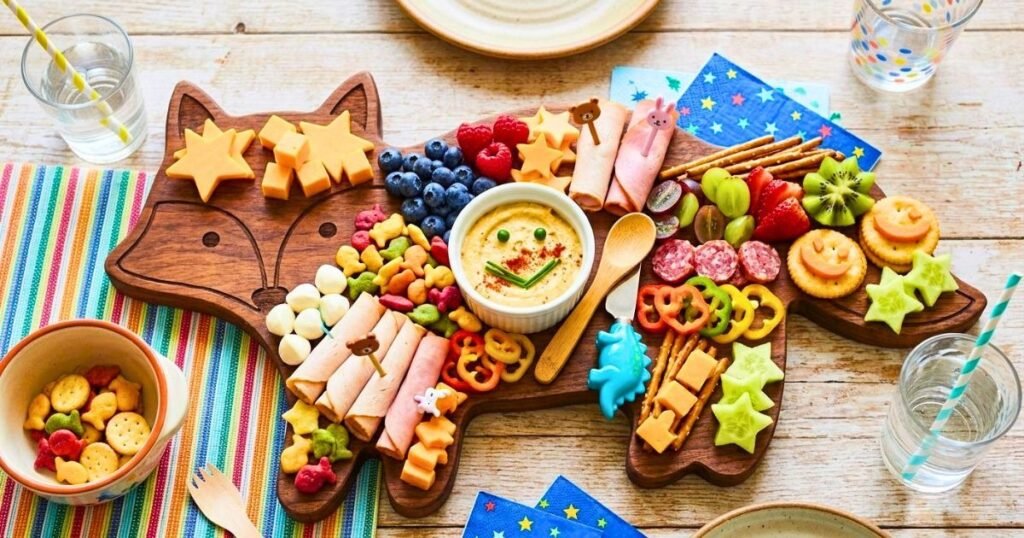
Few snack boards capture a child’s attention faster than a colorful rainbow display. This board encourages kids to “eat the rainbow,” introducing a variety of fruits and vegetables while making healthy eating feel like a game.
How to Build:
Arrange ingredients in colorful arches or rows, mimicking the shape of a rainbow. Start with red foods on one side and gradually move through the color spectrum.
Ingredients:
Red:
- Strawberries
- Watermelon cubes
- Cherry tomatoes
- Red bell pepper strips
- Raspberries
Orange:
- Mandarin orange segments
- Baby carrots
- Cheddar cheese cubes
- Orange bell peppers
Yellow:
- Pineapple chunks
- Banana slices
- Yellow peppers
- Mini cornbread bites
Green:
- Kiwi slices
- Green grapes
- Cucumber rounds
- Sugar snap peas
- Edamame
Blue/Purple:
- Blueberries
- Blackberries
- Purple grapes
- Purple cauliflower
Dips:
- Vanilla yogurt
- Cream cheese fruit dip
Why Kids Love It: Children are naturally attracted to bright colors. The rainbow theme creates excitement while introducing a variety of nutrients from different fruits and vegetables.
2. The DIY “Lunchable” Board
Store-bought lunch kits are popular with kids because they offer customization and interaction. This homemade version provides the same fun while giving parents complete control over ingredients and nutrition.
How to Build:
Arrange crackers, proteins, cheeses, and toppings in separate sections so children can build their own mini sandwiches and snack combinations.
Ingredients:
- Whole wheat crackers
- Butter crackers
- Cheese slices and cubes
- Turkey slices
- Ham roll-ups
- Mini pepperoni
- Cucumber rounds
- Apple slices
- Mini pickles
- Yogurt-covered raisins
- Dark chocolate chips
Extra Tip: Use small cookie cutters to create fun cheese shapes like stars, hearts, and animals.
Why It Works: Building their own snacks gives children ownership over the meal, making them more willing to eat a wider variety of foods.
3. The Muffin Tin Snack Board
Sometimes the simplest ideas are the most effective. A muffin tin naturally creates separate compartments that help with portion control and food organization.
How to Build:
Fill each cup with a different snack item. The variety keeps children interested while reducing overwhelm.
Ingredients:
- Cup 1: Blueberries
- Cup 2: Whole-grain crackers
- Cup 3: Cheese cubes
- Cup 4: Edamame
- Cup 5: Halved grapes
- Cup 6: Hummus
Additional cups can include:
- Apple slices
- Pretzels
- Strawberries
- Turkey cubes
- Yogurt-covered pretzels
- Mini cucumber slices
Best For:
- Toddlers
- Preschoolers
- Travel snacks
- School lunches
4. The Picky Eater’s “Safe Zone” Platter
This board is specifically designed for selective eaters and can be incredibly effective when introducing new foods without creating mealtime stress.
How to Build:
Create distinct sections for familiar foods and new foods. Keep portions of unfamiliar foods small and pressure-free.
Safe Foods Examples:
- Crackers
- Pretzels
- Cheese cubes
- Apple slices
- Goldfish crackers
Challenge Foods Examples:
- Sugar snap peas
- Bell peppers
- Salami
- Hummus
- Kiwi slices
- Roasted chickpeas
Parent Strategy: Avoid asking children to try new foods. Allow exposure. Even touching, smelling, or looking at new foods can help increase acceptance over time.
Why It Works: Repeated exposure in a low-pressure environment helps children become comfortable with unfamiliar foods.
5. The Sweet Treat Dessert Board
Dessert boards can be both indulgent and balanced when thoughtfully designed. Perfect for birthdays, sleepovers, family movie nights, and celebrations.
How to Build:
Focus on naturally sweet fruits while including a few special treats for excitement.
Ingredients:
Fresh Fruits
- Strawberries
- Banana slices
- Grapes
- Apple wedges
- Pineapple chunks
Treats
- Mini cookies
- Brownie bites
- Chocolate-covered pretzels
- Marshmallows
- Yogurt-covered raisins
Dips
- Chocolate hummus
- Fruit yogurt dip
- Caramel sauce
- Peanut butter alternative spreads
Pro Tip: Include more fruit than candy to maintain balance while still delivering a fun dessert experience.
6. The Animal Kingdom Board
Kids love animals, making this one of the most engaging charcuterie themes. The playful presentation transforms ordinary foods into imaginative creations.
How to Build:
Use cookie cutters and creative arrangements to create animal-inspired snacks.
Ingredients:
Animal-Themed Snacks
- Ants on a Log (celery, sunflower butter, raisins)
- Grape caterpillars
- Banana dolphins
- Cheese stars
- Teddy bear sandwiches
Vegetables
- Cucumber slices
- Carrot sticks
- Bell pepper strips
Fruits
- Blueberries
- Strawberries
- Grapes
- Melon balls
Creative Ideas:
- Create an ocean scene with crackers and fish-shaped snacks.
- Build a jungle using broccoli trees and animal crackers.
- Design a farm theme with cheese animals and fruit “fields.”
7. The Breakfast-for-Lunch Board
Breakfast foods often rank among children’s favorites. Serving them at lunch or snack time creates a fun twist while providing a balanced meal.
How to Build:
Arrange breakfast staples alongside fresh fruits and protein-rich options.
Ingredients:
- Mini pancakes
- Waffle bites
- Hard-boiled eggs
- Turkey sausage
- Yogurt cups
- Strawberries
- Blueberries
- Banana slices
- Granola clusters
- Maple syrup dip
Great For:
- Weekend lunches
- Brunch parties
- School holidays
Nutritional Benefits: This board combines protein, healthy carbohydrates, and fruit, making it both satisfying and energizing.
8. The Holiday & Birthday Board
Special occasions deserve special snack boards. Seasonal themes instantly create excitement and can become a memorable family tradition.
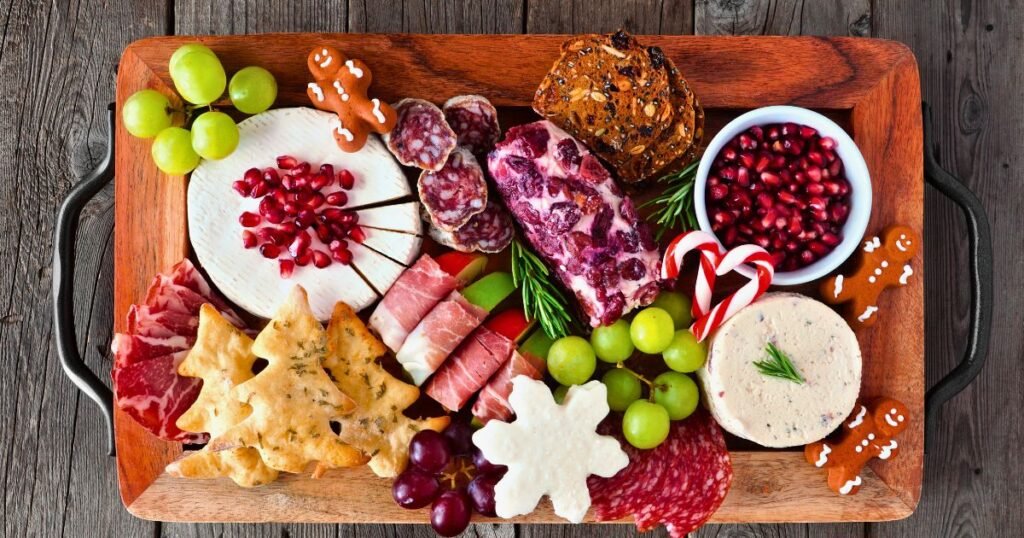
Christmas Board Ideas:
- Strawberry “ornaments”
- Kiwi trees
- Star-shaped cheese
- Red and green vegetables
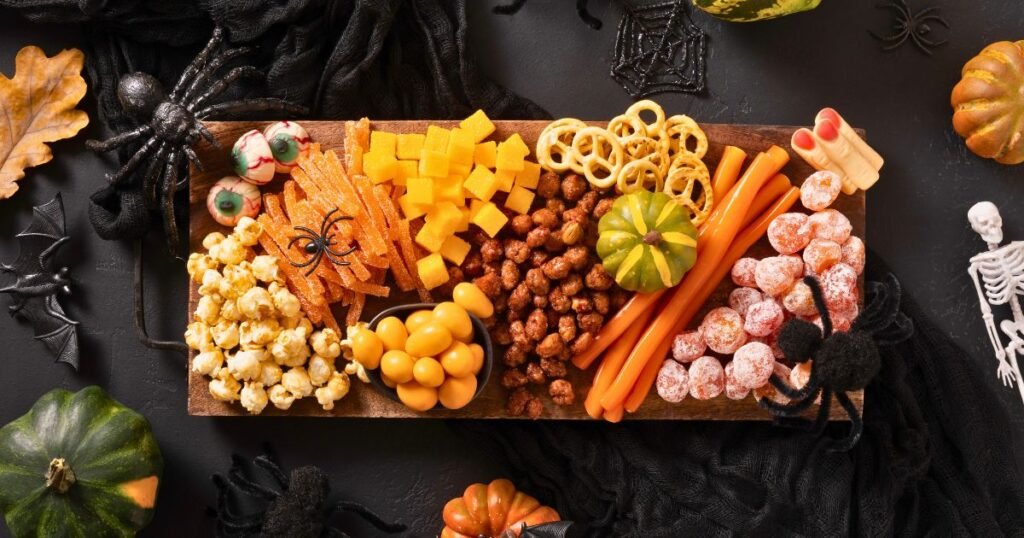
Halloween Board Ideas:
- Mandarin orange pumpkins
- String cheese ghosts
- Olive spiders
- Pretzel broomsticks
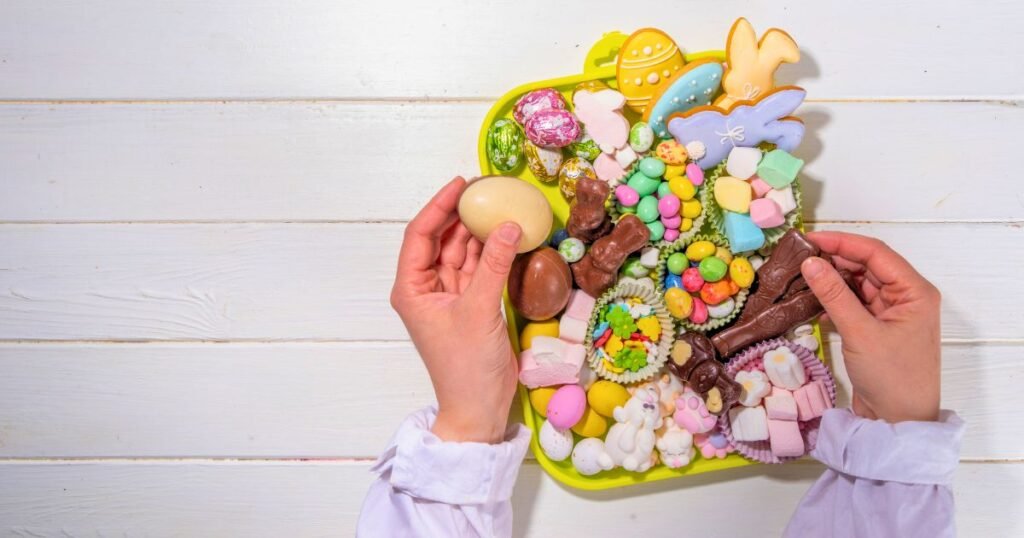
Easter Board Ideas:
- Pastel-colored fruits
- Bunny-shaped sandwiches
- Egg-shaped cheese slices
Birthday Board Ideas:
- Number-shaped boards
- Favorite snacks of the birthday child
- Color-coordinated treats
- Personalized themes based on hobbies
Why Kids Love It: Holiday-themed boards make celebrations feel extra special and create opportunities for family bonding.
Tips for Presentation, Personalization
The difference between a good snack board and a great one often comes down to presentation and planning. A few simple techniques can dramatically improve the final result.
Get the Kids Involved
Children are far more likely to eat foods they helped prepare.
Toddlers Can:
- Wash fruits
- Place crackers on the board
- Identify colors
Preschoolers Can:
- Arrange ingredients
- Scoop dips
- Use child-safe cutters
Older Kids Can:
- Design the layout
- Create themed boards
- Help slice soft ingredients
Giving children ownership over the process builds confidence and encourages healthier eating habits.
Making it Visually Appealing (The “Wow” Factor)
Visual presentation plays a major role in food acceptance.
Use Small Bowls:
Small bowls help organize ingredients while adding height and dimension to the board.
Add Variety in Shapes
Mix:
- Cubes
- Circles
- Stars
- Hearts
- Animal shapes
Create Color Contrast
Place brightly colored fruits next to neutral items like crackers and cheese to create visual interest.
Layer Ingredients
Stack crackers, fold deli meats, and arrange fruits in clusters to create a professional appearance.
Use Fun Serving Tools
Colorful picks, mini tongs, and themed serving cups make snack time even more interactive.
How to Make Kid-Friendly Snack Boards Ahead?
One of the biggest advantages of snack boards is that much of the preparation can be completed in advance.
Prep Components (Day Before)
Wash and prepare:
- Fruits
- Vegetables
- Cheese cubes
- Deli meats
Store everything separately in airtight containers.
Keep Dips Separate
Dips should remain refrigerated until serving time to maintain freshness and prevent sogginess.
Assemble Just Before Serving
Arrange ingredients shortly before serving for the best appearance and texture.
Wait on Crackers!
Adding crackers too early is one of the most common mistakes. Moisture from fruits and dips can cause them to become soft and stale.
Add:
- Crackers
- Pretzels
- Popcorn
- Chips
Only minutes before serving.
Frequently Asked Questions for Charcuterie Boards Ideas for Kids
Q1. What should I put on a charcuterie board for kids?
- Include kid-friendly foods like cheese cubes, crackers, fresh fruit, mini sandwiches, pretzels, yogurt dips, and bite-sized vegetables.
Q2. What foods should I avoid on a kids charcuterie board?
- Avoid choking hazards such as whole grapes, large nuts, hard candies, and oversized chunks of cheese or meat.
Q3. How do I make a charcuterie board appealing to picky eaters?
- Offer a variety of familiar foods, use fun shapes, and include colorful ingredients that kids already enjoy.
Q4. What is the best age for a kids charcuterie board?
- Charcuterie boards can be adapted for children of all ages, but always adjust food sizes and ingredients based on the child’s age and chewing ability.
Q5. How do I make a healthy charcuterie board for kids?
- Balance the board with fruits, vegetables, proteins, whole-grain crackers, and nutritious dips while limiting sugary treats.
Q6. Can I make a kids charcuterie board ahead of time?
- Yes. Prepare the board a few hours in advance, cover it tightly, and refrigerate until serving.
Q7. How long can a kids charcuterie board sit out?
- Perishable foods should not remain at room temperature for more than two hours, or one hour in hot weather.
Q8. What cheeses are best for kids?
- Mild cheeses such as cheddar, mozzarella, Colby Jack, and string cheese are popular choices.
Q9. How can I make a themed kids charcuterie board?
- Use cookie cutters, colorful ingredients, and decorations to match holidays, birthdays, or favorite characters.
Q10. Are charcuterie boards suitable for school lunches?
- Yes. Pack ingredients in separate compartments to keep foods fresh and prevent sogginess.
Q11. What dips work well on a kids charcuterie board?
- Hummus, ranch dressing, yogurt dip, cream cheese spreads, and nut-free alternatives are great options.
Q12. How do I handle food allergies on a charcuterie board?
- Always check ingredient labels carefully, avoid cross-contamination, and provide allergy-safe alternatives.
Q13. What fruits are best for a kids charcuterie board?
- Strawberries, blueberries, apple slices, orange segments, and seedless grapes cut into smaller pieces work well.
Q14. How many items should a kids charcuterie board include?
- Aim for 5 to 8 different foods to provide variety without overwhelming younger children.
Q15. What size portions should I serve?
- Serve small, bite-sized portions and allow kids to come back for more if they’re still hungry.
Additional Snack Board Ideas for Different Age Groups
- Toddlers (1-3 Years): Focus on soft textures and safe finger foods.
- Preschoolers (3-5 Years): Introduce more colors, shapes, and interactive foods.
- School-Age Kids (6-12 Years): Allow greater customization and themed snack experiences.
- Tweens and Teens: Include more sophisticated ingredients such as specialty cheeses, wraps, smoothies, and protein-rich snacks.
Common Mistakes Parents Make When Building Snack Boards
Even simple snack boards can be improved by avoiding a few common errors.
- Offering Too Many Choices: Too many options can overwhelm younger children. Start with 6–8 items and expand gradually.
- Including Only Favorite Foods: Always include at least one new or less familiar item for gentle exposure.
- Forgetting Protein: Boards made entirely of crackers and fruit may leave kids hungry quickly.
- Serving Oversized Portions: Small portions look more appealing and reduce waste.
- Ignoring Food Safety: Keep perishable ingredients refrigerated until serving time.
Conclusion: Your New Go-To for Snack Time
Creating charcuterie board ideas for kids isn’t about making perfect Pinterest-worthy displays. It’s about creating enjoyable food experiences that encourage healthy eating, independence, and family connection. With endless combinations of fruits, vegetables, proteins, cheeses, crackers, and dips, these boards can be customized for every age, dietary need, and occasion. Whether you’re preparing a quick after-school snack, planning a birthday celebration, or trying to encourage a picky eater to explore new foods, a thoughtfully designed snack board can make all the difference.
Most importantly, these boards transform eating from a routine activity into an engaging experience. They encourage curiosity, creativity, and confidence around food—benefits that can last far beyond snack time. We’d love to hear your favorite creations. Share your own kid-friendly snack board ideas and inspire other parents to make healthy eating more fun and exciting for their children.