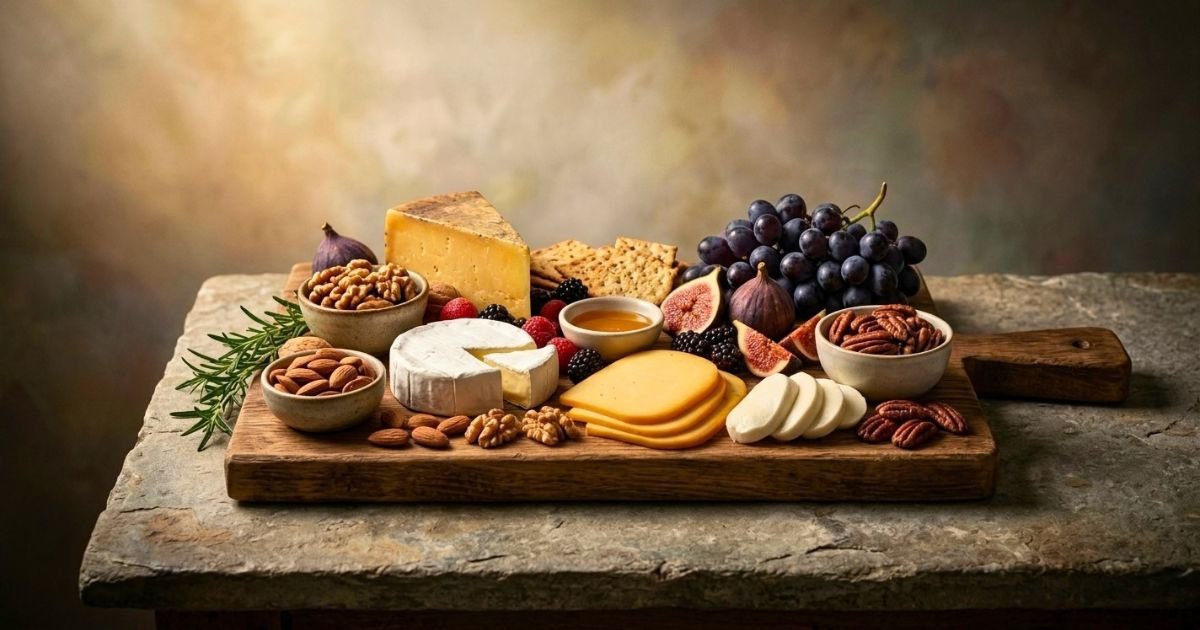
How to Cut Cheese for Charcuterie Board with Expert Techniques?
A well-designed charcuterie board is more than just a food arrangement—it is a curated sensory experience where taste, texture, aroma, and visual presentation come together. Among all its components, cheese plays the most important role because it sets the tone for flavor diversity and visual structure.
However, what truly separates a basic cheese platter from a professional-level charcuterie board is not just the selection of cheeses, but how they are cut, shaped, and presented. Cheese cutting is both a culinary skill and an art form.
It affects:
- Flavor perception
- Texture experience
- Ease of serving
- Visual appeal
- Guest interaction
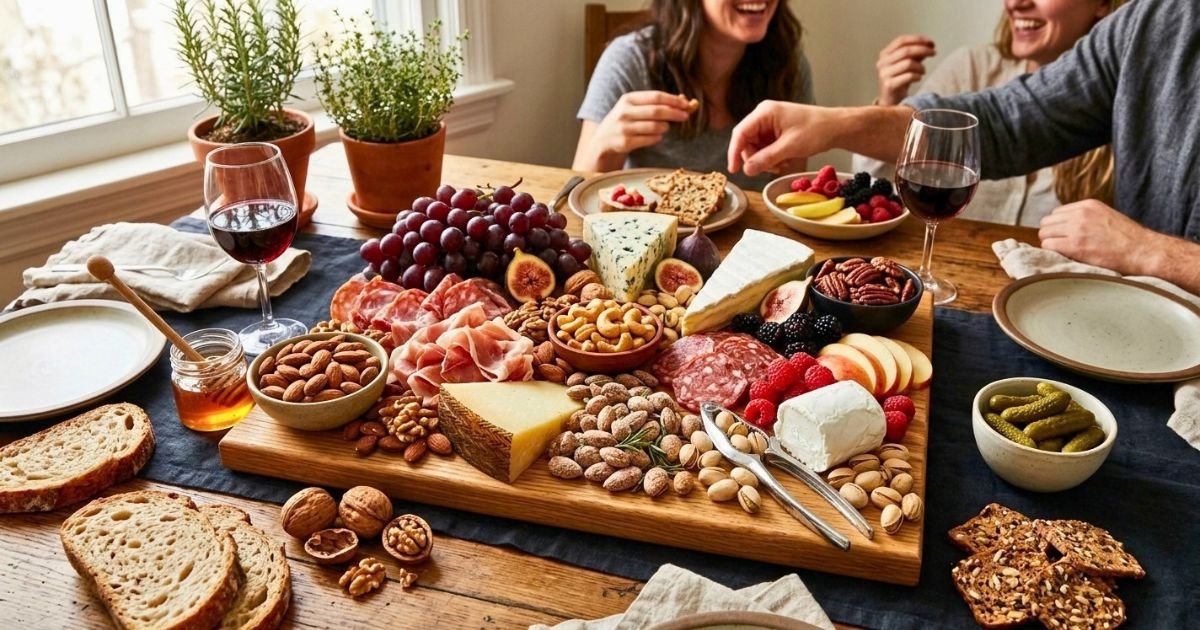
In this comprehensive guide, you will learn how professional cheesemongers and chefs approach cheese cutting—from selecting the right tools to mastering advanced presentation techniques that elevate any charcuterie board.
Table of Contents
Beyond Basic Bites: Elevating Your Cheese Presentation
Most people underestimate how much cutting style influences the overall experience of a cheeseboard. Simply slicing cheese into random chunks limits its potential.
A thoughtfully cut cheese board:
- Encourages tasting variety
- Improves flavor balance
- Enhances aesthetic symmetry
- Makes serving effortless
- Prevents waste and mess
When cheese is cut with intention, guests naturally engage more with the board.
Why Presentation Matters More Than Quantity?
Modern entertaining focuses less on abundance and more on experience. A board with fewer cheeses but better presentation often feels more luxurious than an overloaded one.
Presentation transforms cheese into:
- A visual centerpiece
- A conversation starter
- A guided tasting experience
Psychological Impact of Cheese Presentation
Research in food psychology shows:
- Symmetry increases perceived taste quality
- Variety increases perceived value
- Clean cuts increase freshness perception
So, cutting cheese correctly is not just aesthetic—it changes how people experience flavor.
What Makes a Cheese Cut “Visually Stunning”?
A visually stunning cheese board is intentional, balanced, and texturally diverse. It does not rely on randomness but on structured creativity.
The Three Core Principles
1. Variety
Use multiple cutting styles:
- Cubes
- Triangles
- Shards
- Slices
- Ribbons
- Crumbles
2. Precision
Uniformity shows professionalism:
- Equal-sized cubes
- Even slices
- Clean edges
- Consistent thickness
3. Intention
Each cut should match:
- Cheese texture
- Moisture level
- Serving method
- Pairing food
Cheese Cutting Visual Balance Table
| Cutting Style | Best Cheese Type | Effect on Board |
| Cubes | Cheddar, Gouda | Organized structure |
| Wedges | Brie, Camembert | Elegant flow |
| Shards | Parmesan | Rustic authenticity |
| Slices | Semi-hard cheeses | Accessibility |
| Crumbles | Blue cheese | Texture contrast |
| Ribbons | Soft semi-hard cheeses | Artistic luxury |
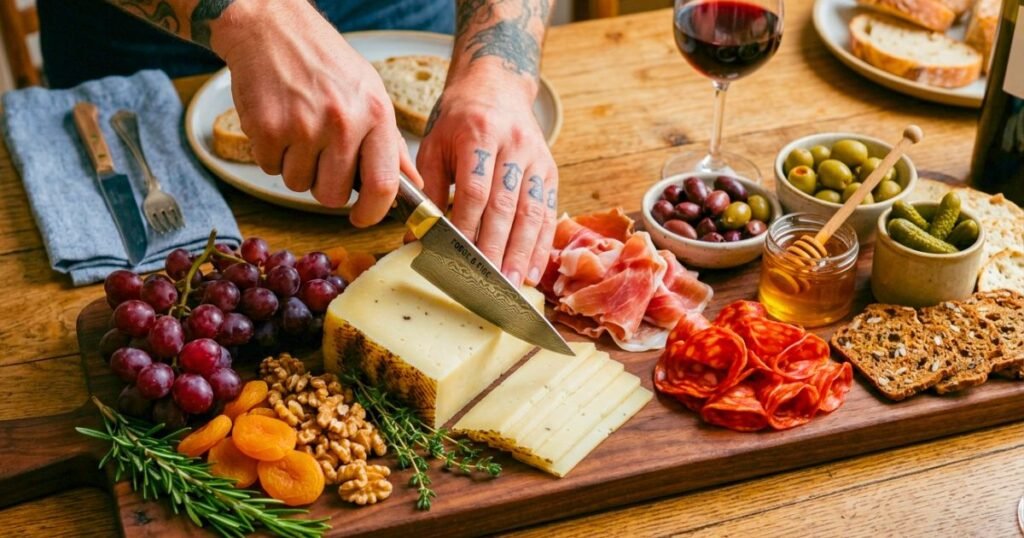
Your Essential Tool Kit: Mastering Cheese Knives for Perfect Cuts
Using the correct tools is essential for achieving professional results. A poor-quality or wrong knife can ruin even premium cheese.
Why Tools Matter in Cheese Cutting?
The wrong knife can:
- Crush soft cheese
- Shatter hard cheese
- Create uneven textures
- Ruin presentation
The right knife ensures:
- Clean cuts
- Better flavor release
- Controlled portioning
- Elegant plating
The Right Blade for Every Cheese: A Guide to Knife Selection
Each cheese has a unique structure, moisture level, and firmness. Matching knife type with cheese type is critical.
Cheese Knife Selection Table
| Cheese Type | Best Knife | Cutting Result |
| Soft Cheese | Perforated knife | Clean wedges |
| Semi-hard Cheese | Pronged knife | Smooth slices |
| Hard Cheese | Parmesan knife | Rustic shards |
| Spreadable Cheese | Spreader | Even spreading |
| Blue Cheese | Thin blade knife | Thin-bladed knife |
Soft Cheese Knives: For Brie, Camembert, and Fresh Chevre
Soft cheeses require delicate handling due to their creamy structure.
Key Features:
- Thin blade reduces drag
- Holes prevent sticking
- Minimal pressure slicing
Expert Tip: Dip the knife in warm water before cutting for ultra-clean slices.
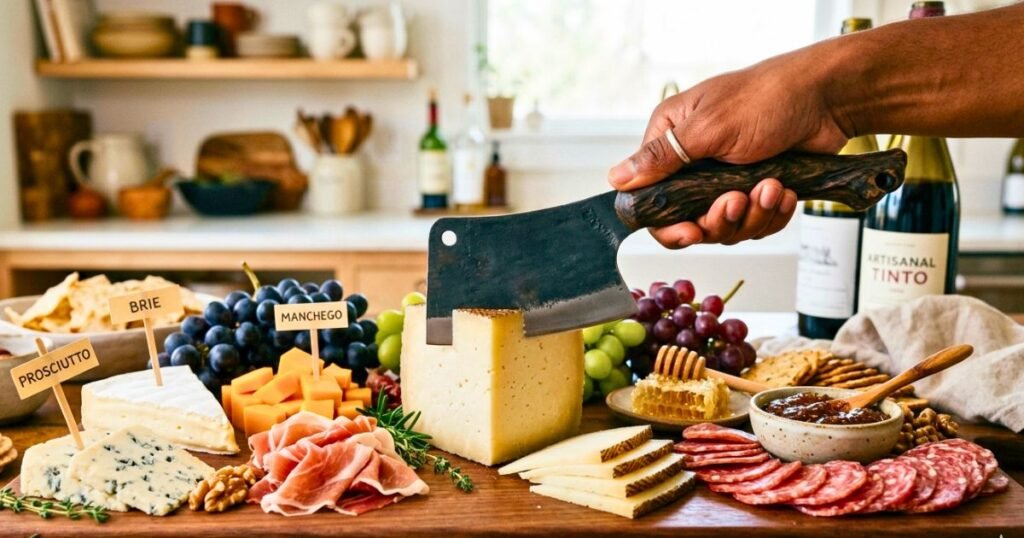
Hard Cheese Knives: Cleavers and Parmesan Knives for Dense Blocks
Hard cheeses require force and precision.
Recommended Techniques:
- Score before cutting
- Apply downward pressure, not a slicing motion
- Break into natural shards
Pro Insight: Hard cheeses taste better when broken rather than perfectly sliced—it preserves texture integrity.
Spreading Knives: For Creamier Spreads and Delicate Cheeses
Used for:
- Cream cheese
- Brie spread variations
- Herbed soft cheese
Advantage:
- Smooth application
- No tearing crackers
- Better portion control
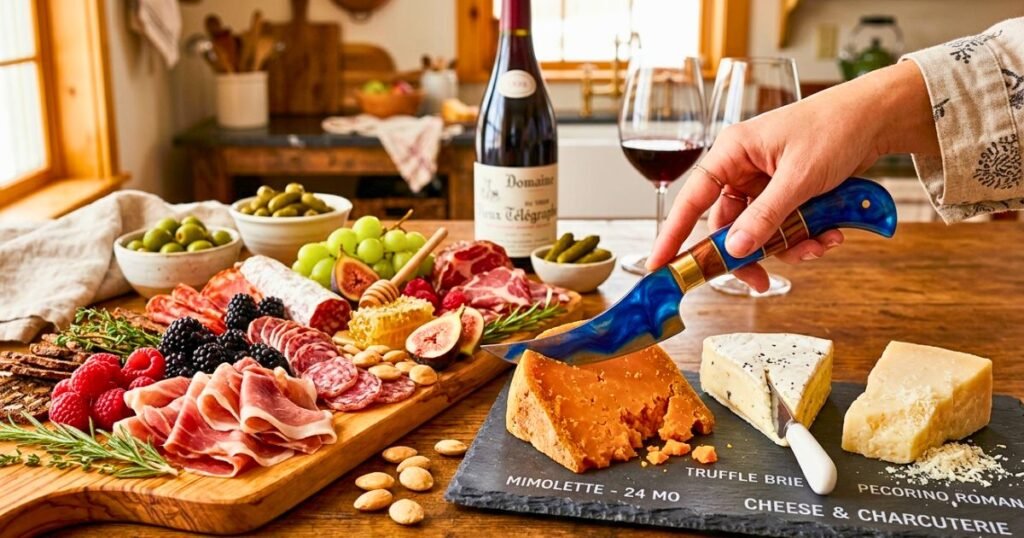
Thin Blade Cheese Knives and Cheese Planes: Achieving Uniform Slices
These tools are ideal for:
- Gouda
- Havarti
- Edam
- Swiss
Benefits:
- Paper-thin slices
- Elegant layering
- Professional presentation
Pronged Cheese Knife: For Serving with Grace
A multifunctional tool used for:
- Cutting semi-hard cheese
- Serving slices
- Lifting pieces cleanly
Why it’s important: Prevents contamination from multiple tools on the board.
Chisel Knives: For Crumbly Textures and Artistic Shapes
Best for:
- Blue cheese
- Aged cheddar
- Stilton
Cutting Method:
- Press and break
- Do not slice
- Embrace irregular shapes
Sharpening and Care: Ensuring Clean, Effortless Cuts
A sharp knife is non-negotiable for cheese presentation.
Maintenance Tips:
- Hand wash only
- Dry immediately
- Sharpen regularly
- Store separately
Common Mistake: Using dull knives leads to compression instead of slicing.
The Foundation of Flawless Presentation: General Cutting Principles
Before cutting cheese, understanding foundational principles is essential.
Optimal Cheese Temperature: Why It Matters for Clean Cuts
Temperature affects texture more than most people realize.
Guidelines:
| Cheese Type | Ideal Temperature |
| Soft cheese | 15–20 minutes outside fridge |
| Hard cheese | 15–20 minutes outside the fridge |
| Fresh cheese | Serve slightly chilled |
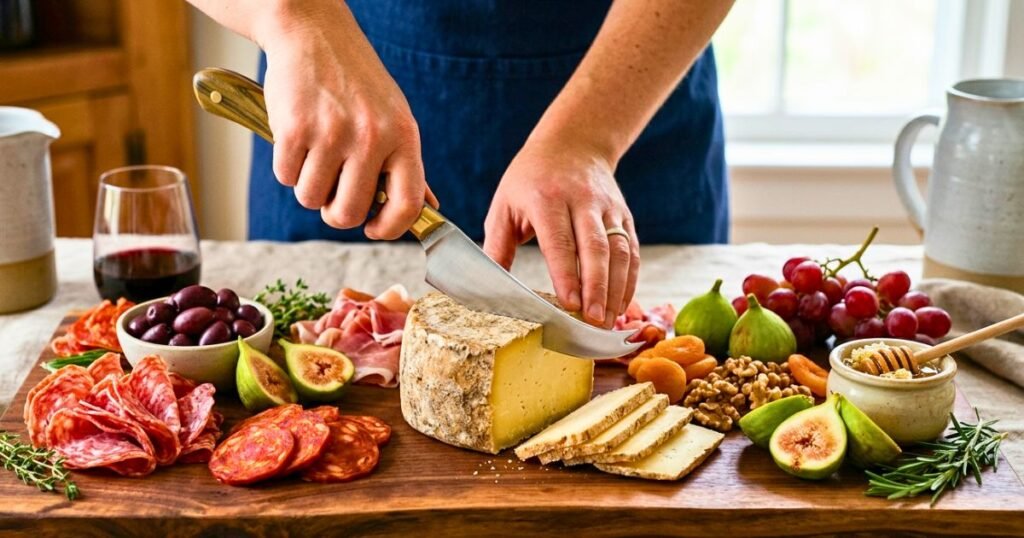
Why it matters:
- Improves flavor release
- Enhances aroma
- Easier cutting
The Importance of Sharpness: Preventing Crushing and Unevenness
Sharp knives ensure:
- Clean edges
- Better presentation
- No texture damage
Hygiene First: Using Kitchen Gloves for Pristine Handling
Professional cheesemongers often use gloves to:
- Maintain cleanliness
- Prevent fingerprint marks
- Improve hygiene standards
Embracing the Rind: How to Showcase and Present Natural Cheese Rinds
Rinds add:
- Flavor depth
- Texture variation
- Visual authenticity
Rule: Never remove edible rinds unless wax-coated.
Variety is the Spice of Life: Mixing Shapes and Textures for Visual Interest
A good board balances:
- Smooth + crumbly
- Soft + hard
- Mild + strong
Visual Impact Principle: Contrast increases appetite appeal.
Cutting by Category: Specific Techniques for Different Cheese Types
Understanding cheese categories improves cutting precision and presentation quality.
Fresh & Soft Cheeses: Delicate Handling for Visually Appealing Forms
Best techniques:
- Use a wire cutter or floss
- Avoid heavy pressure
- Serve in small rounds
Bloomy Rind Cheeses: Preserving Elegance (Brie, Camembert)
Cut like a pie:
- Even wedges
- Maintain rind balance
- Keep structure intact
Semi-Hard Cheeses: Versatility in Cubes, Slices, and Wedges
Most flexible category.
Options:
- Cubes for snacking
- Thin slices for crackers
- Triangles for aesthetic appeal
Hard & Aged Cheeses: Rustic Shards, Crumbles, and Robust Cuts
Best approach:
- Break, don’t slice
- Embrace irregular shapes
- Highlight crystals
Blue Cheeses: Handling Crumbly Delicacy with Grace
Tips:
- Portion gently
- Chill before cutting
- Use a thin blade
Advanced Techniques for an “Instagram-Worthy” Charcuterie Board
Professional boards focus on visual storytelling.
The Fanned-Out Slice: Creating Dynamic Visual Flow
- Overlapping slices
- Gentle curves
- Directional movement
Ribbon Cuts and Rosettes: Unexpected Elegance for Softer Semi-Hards
Creates luxury visual appeal using:
- Cheese planes
- Peeling tools
Strategic Crumbles: Enhancing Texture and Volume with Intentional Placement
Instead of scattering:
- Create clusters
- Build texture zones
- Guide visual flow
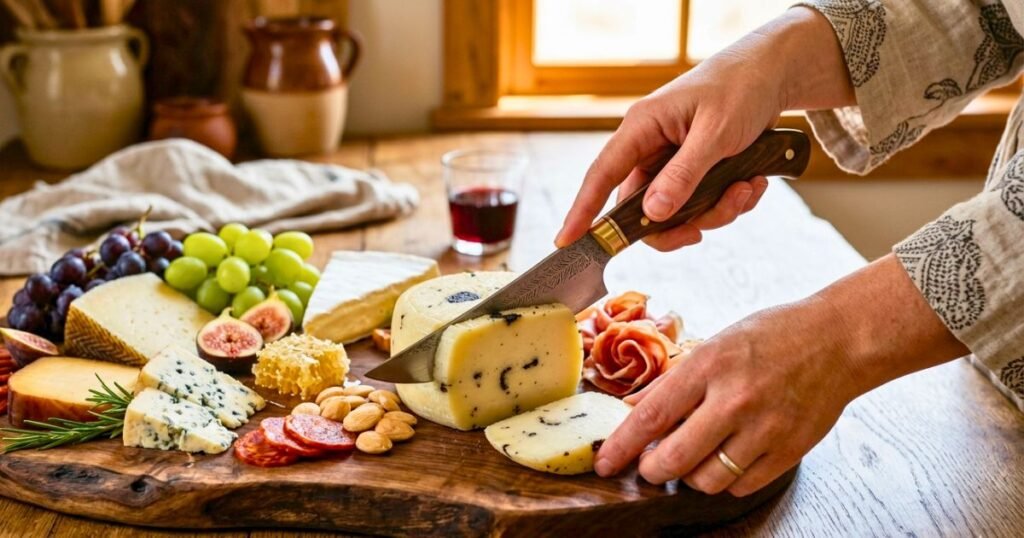
Showcasing Artistic Rinds: Presenting the Natural Beauty of the Cheese Edge
Highlight:
- Mold patterns
- Ash rinds
- Natural crust textures
Frequently Asked Questions: How to Cut Cheese for Charcuterie Board?
1. What is the best way to cut cheese for a charcuterie board?
- The best way is to match the cutting style (slices, cubes, wedges, crumbles) with the cheese type and texture for clean presentation and easy serving.
2. Why does cheese temperature matter when cutting?
- Cheese at the right temperature cuts more cleanly, releases better flavor, and avoids crumbling or sticking to the knife.
3. What knife should I use for soft cheese like Brie?
- A perforated soft cheese knife works best because it reduces sticking and keeps the cheese structure intact.
4. How do you cut hard cheeses like Parmesan?
- Hard cheeses are best broken into shards or chunks using a Parmesan knife or chisel-style knife rather than being sliced.
5. Can I use the same knife for all cheeses?
- It’s not recommended because it can mix flavors and textures. Using separate knives keeps the board clean and balanced.
6. What is the easiest cheese to cut for beginners?
- Semi-hard cheeses like cheddar, Gouda, and Havarti are the easiest because they slice cleanly and hold shape well.
7. How do I stop cheese from sticking to the knife?
- Use a sharp blade, or lightly warm the knife in water before cutting soft cheeses to reduce sticking.
8. Should cheese be cut before serving or on the board?
- It depends—soft and crumbly cheeses are often pre-cut, while hard cheeses can be left in chunks for guests to break.
9. What is the most attractive way to cut cheese?
- Mixing shapes like cubes, wedges, slices, and crumbles creates the most visually appealing and professional-looking board.
10. Do I need special tools to cut cheese properly?
- Yes, using cheese-specific knives or planes improves precision, presentation, and ease of cutting.
11. How do I cut cheese without ruining its texture?
- Use a sharp knife, avoid too much pressure, and follow the natural structure of the cheese.
12. Why do professionals use different cutting styles?
- Different cutting styles enhance flavor experience, improve presentation, and make serving easier for guests.
13. How long should cheese sit out before cutting?
- Soft cheeses should sit for about 15–20 minutes, while hard cheeses need 30–45 minutes for best results.
14. Can I pre-cut all the cheese for a party?
- Yes, but keep softer cheeses slightly chilled until serving to maintain texture and freshness.
15. What is the biggest mistake when cutting cheese?
- Using a dull knife or ignoring the cheese type leads to crushed textures and poor presentation.
Conclusion
Mastering cheese cutting transforms a simple charcuterie board into a refined culinary experience. It is not just about slicing food—it is about designing flavor journeys, enhancing visual storytelling, and elevating hospitality.
When you combine:
- Proper tools
- Correct temperature
- Intentional shapes
- Creative presentation
You unlock the ability to turn any cheeseboard into a professional-level masterpiece. A beautifully cut cheese board doesn’t just feed guests—it impresses them, engages them, and creates lasting memories around food, flavor, and connection.