What Is a Serving Tray Used For: Discover Its Many Everyday Uses
A serving tray may seem like a simple household accessory, but it is one of the most practical and versatile tools you can own. Found in homes, restaurants, hotels, cafes, and catering businesses around the world, different types of serving trays make daily tasks easier while adding style and organization to any environment.
Many people associate serving trays only with carrying food and drinks. While that is certainly their most recognizable purpose, modern serving trays are used for much more. They help organize clutter, enhance home décor, simplify entertaining, improve kitchen efficiency, and even create elegant displays for special occasions.
Whether you are hosting a dinner party, serving breakfast in bed, organizing your coffee table, or decorating your living room, a well-designed tray can instantly improve both functionality and appearance. From rustic wooden trays and sleek metal designs to decorative marble pieces and lightweight plastic options, there is a serving tray for nearly every purpose and interior style.

This comprehensive guide explores the many uses of serving trays, their benefits, the different types available, and how they can transform everyday living. By the end, you’ll understand why this seemingly simple item remains a staple in homes and hospitality settings alike.
Table of Contents
The Primary Uses and Functions of a Serving Tray
Serving trays have evolved significantly over the years. Originally designed primarily for transporting food and beverages, they now serve multiple purposes throughout the home. Their ability to combine convenience, organization, and visual appeal makes them one of the most adaptable accessories available.
Let’s explore the primary ways serving trays are used in modern homes and professional environments.
Carrying and Serving Food & Drinks
The most traditional and recognizable purpose of a serving tray is transporting food and beverages safely and efficiently.
Whether you’re serving a family dinner or entertaining a room full of guests, carrying multiple items at once can be challenging. A serving tray provides a stable surface that helps prevent spills while reducing the number of trips between rooms.
Common serving applications include:
Delivering Meals
- Serving trays make it easy to carry complete meals from the kitchen to the dining area. Instead of balancing several plates and utensils separately, everything can be transported together in one organized arrangement.
Serving Beverages
- Coffee, tea, cocktails, wine, juices, and soft drinks can all be served more professionally on a tray. Trays with raised edges or handles provide additional security when carrying glasses and cups.
Presenting Appetizers
- Finger foods, hors d’oeuvres, canapés, and party snacks look more appealing when displayed on an attractive serving tray. Guests can easily access food while hosts maintain a polished presentation.
Displaying Desserts
- Cakes, pastries, cookies, cupcakes, and chocolates often become the centerpiece of gatherings. A decorative tray enhances their visual appeal and creates a memorable serving experience.
Room Service and Hospitality
- Hotels, restaurants, and catering companies rely heavily on serving trays because they allow staff to transport multiple items quickly while maintaining professional presentation standards.
A serving tray transforms ordinary food service into a more organized, elegant, and enjoyable experience.
A Secret Weapon for Organizing Spaces

One of the most popular modern uses for serving trays is organization. Interior designers frequently use trays as visual anchors that group items together. This simple strategy instantly reduces clutter and creates a more intentional appearance throughout the home.
Rather than allowing small objects to spread across a surface, a tray creates a designated area that keeps everything contained and organized.
Coffee Table or Ottoman
Coffee tables often become magnets for clutter. Remote controls, magazines, candles, coasters, and decorative accessories can quickly create visual chaos.
A tray solves this problem by grouping items in a neat arrangement. Instead of looking messy, the collection appears curated and stylish.
Popular coffee table tray items include:
- Candles
- Small plants
- Decorative books
- Coasters
- Remote controls
- Seasonal decorations
The result is a living room that feels both organized and welcoming.
Kitchen Counter
Kitchen counters are among the busiest surfaces in any home. A small tray can create a dedicated station for frequently used items.
Such as:
- Olive oil
- Salt and pepper mills
- Cooking utensils
- Spice jars
- Napkins
- Small kitchen tools
Keeping these essentials together not only improves organization but also speeds up meal preparation.
Bathroom Vanity
Bathrooms often contain numerous products that can quickly overwhelm countertops.
A decorative tray can organize:
- Perfume bottles
- Moisturizers
- Skincare products
- Toothbrush holders
- Soap dispensers
- Jewelry
The tray creates a spa-like appearance while keeping everyday essentials accessible.
Office Desk
A cluttered workspace can negatively affect productivity.
Using a tray on a desk helps organize:
- Pens and pencils
- Notebooks
- Sticky notes
- Chargers
- Paper clips
- Business cards
A cleaner desk promotes better focus and creates a more professional environment.
Entryway Console
The entryway is often the first area guests see when entering a home.
A tray placed on a console table creates a convenient drop zone for:
- Keys
- Wallets
- Sunglasses
- Loose change
Instead of searching for essentials every morning, everything remains in one designated location.
Elevating Entertaining and Special Occasions
Serving trays play a crucial role whenever guests are involved. They simplify hosting responsibilities while making gatherings feel more polished and thoughtfully planned.
Whether you’re organizing a casual get-together or a formal celebration, trays can significantly improve both functionality and presentation.
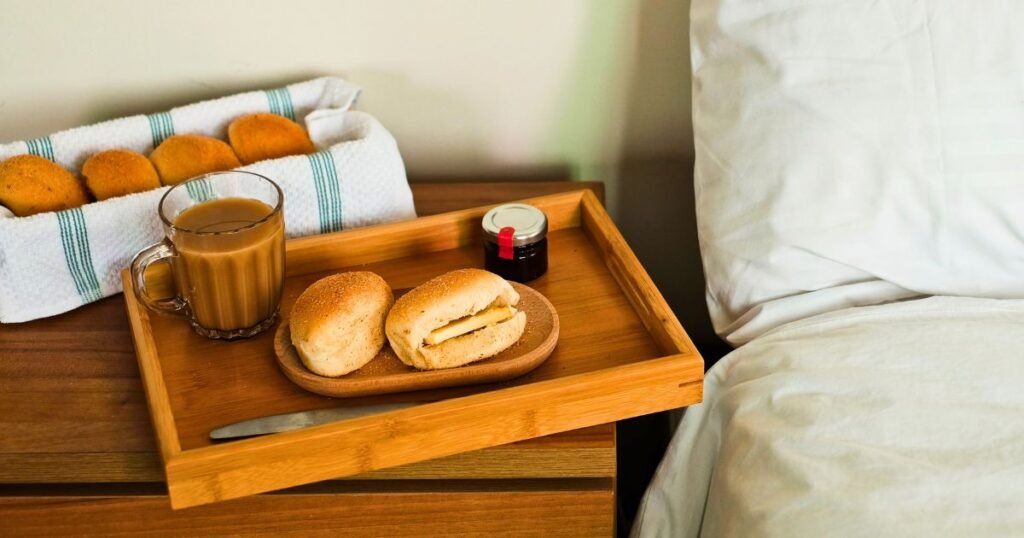
Breakfast in Bed
Few gestures feel more thoughtful than serving breakfast in bed.
A tray provides a stable surface for:
- Coffee or tea
- Fresh fruit
- Pastries
- Pancakes
- Juice
- Flowers
Many trays even feature foldable legs that transform them into portable breakfast tables.
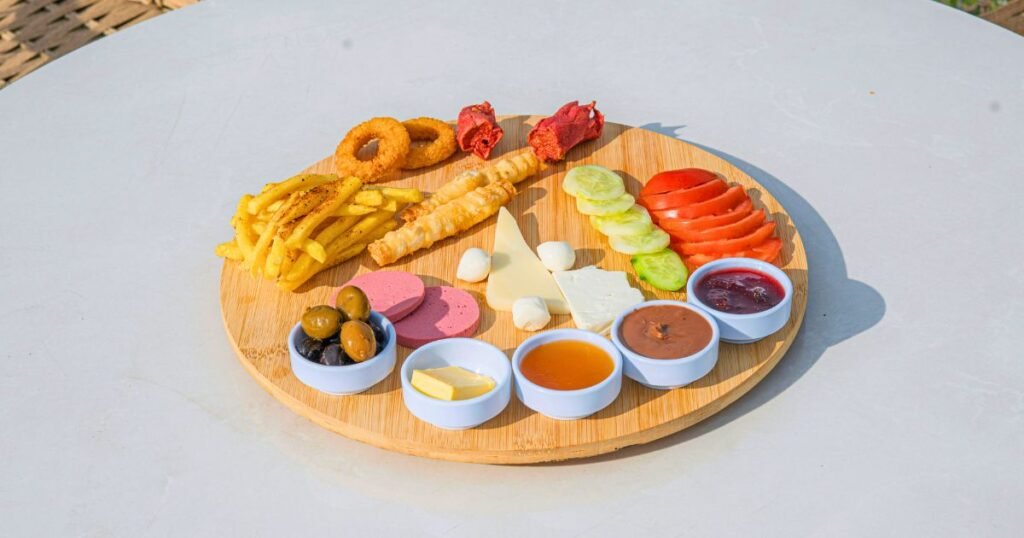
Appetizer and Charcuterie Boards
Large serving trays are perfect for creating impressive food displays.
Popular options include:
- Cheese boards
- Charcuterie spreads
- Fruit platters
- Dessert assortments
- Seafood displays
- Grazing tables
Wooden trays, particularly those made from acacia, walnut, or oak, add warmth and sophistication to entertaining.
Outdoor Dining
Outdoor gatherings often require transporting numerous items between indoor and outdoor spaces.
A sturdy tray allows hosts to carry:
- Condiments
- Plates
- Utensils
- Drinks
- Napkins
- Side dishes
This reduces trips and makes outdoor entertaining much more convenient.
Holiday Meals
Special occasions often involve additional serving responsibilities.
Trays can be used for:
- Thanksgiving appetizers
- Christmas cookies
- Holiday cocktails
- Easter brunch displays
- New Year’s party snacks
Decorative seasonal trays can even become part of the holiday décor itself.

The Unsung Hero: Meal Prep and Kitchen Helper
Many people overlook how useful serving trays can be during cooking and cleanup.
Professional chefs often rely on trays to improve efficiency throughout the food preparation process.
Gathering Ingredients
The French culinary concept of mise en place emphasizes preparing and organizing ingredients before cooking begins.
A tray provides the perfect platform for:
- Chopped vegetables
- Measured spices
- Sauces
- Herbs
- Garnishes
Keeping ingredients together reduces stress and helps recipes flow smoothly.
Organizing Cooking Stations
Different trays can be assigned to different tasks.
For example:
- Baking ingredients on one tray
- Vegetable prep on another
- Garnishes on a third
This system keeps countertops organized and prevents confusion.
Efficient Cleanup
After meals, serving trays become cleanup assistants.
Instead of carrying a few dishes at a time, a large tray can transport:
- Plates
- Glasses
- Silverware
- Serving bowls
This minimizes trips to the kitchen and speeds up post-meal cleanup.
Transporting Supplies
Serving trays are also useful when moving supplies between rooms.
Whether carrying craft materials, office supplies, or cleaning products, a tray provides an organized way to transport multiple items safely.
The Key Benefits of Using a Serving Tray
While serving trays are often appreciated for their convenience, their true value goes much deeper. A quality tray can improve efficiency, enhance home aesthetics, support better organization, and simplify countless everyday tasks. Whether used in the kitchen, living room, office, or outdoor entertaining area, serving trays offer benefits that extend far beyond simply carrying items from one place to another.
Improves Presentation and Aesthetics
One of the biggest advantages of using a serving tray is its ability to instantly elevate presentation. People naturally respond to visual organization. When food, beverages, or decorative objects are arranged on a tray, they appear more intentional, refined, and attractive. A tray acts much like a picture frame—it creates boundaries that help draw attention to the items within it.
For food service, presentation matters. A simple breakfast consisting of coffee, toast, and fruit feels more luxurious when beautifully arranged on a tray. The same principle applies to appetizers, desserts, and beverages served during gatherings.
Beyond food presentation, trays play an important role in interior design. Professional decorators frequently use trays to create attractive focal points throughout a room. By grouping decorative accessories, trays make spaces feel thoughtfully curated rather than randomly arranged.
Examples include:
- Candles paired with books on a coffee table
- Perfume bottles displayed on a vanity tray
- Decorative vases arranged on a dining table
- Seasonal decorations grouped on an entryway console
Even the simplest objects can look elegant when presented on the right tray.
Enhances Hygiene and Safety
Serving trays also contribute to cleaner, safer environments. When transporting food and beverages, trays provide a dedicated surface that reduces direct contact with dishes, glasses, and serving pieces. This can help maintain cleanliness, especially during gatherings where multiple items are being handled.
Safety benefits are equally important.
A sturdy tray:
- Creates stability when carrying hot dishes
- Reduces the risk of spills
- Helps prevent dropped plates and glasses
- Protects surfaces from food stains
- Minimizes accidents during transport
This becomes especially valuable when serving:
- Hot coffee
- Soup bowls
- Glassware
- Wine bottles
- Heavy platters
For families with children or elderly individuals, a tray can make transporting meals significantly safer and more manageable.
Saves Time and Effort
Efficiency is one of the most practical reasons to use a serving tray. Without a tray, transporting multiple items often requires several trips between rooms. A tray allows you to move everything at once, saving both time and energy.
Consider common situations:
- Carrying breakfast from the kitchen to the bedroom
- Serving drinks during a party
- Transporting dishes to an outdoor patio
- Clearing plates after dinner
In each case, a tray streamlines the process and reduces unnecessary movement.
For busy households, these small time savings accumulate throughout the day. What seems like a simple convenience often becomes an essential tool that improves overall workflow.
Delivers Multi-functional Versatility
Perhaps the greatest benefit of a serving tray is its versatility.
Few household items can perform as many different functions while occupying so little space.
A single tray may serve as:
- A breakfast tray in the morning
- A desk organizer during the day
- A decorative centerpiece in the evening
- A serving station during parties
- A catch-all organizer for daily essentials
This adaptability makes serving trays one of the highest-value home accessories available.
Unlike specialized items designed for only one purpose, trays can evolve alongside changing needs, making them a worthwhile long-term investment.

Protects Furniture and Surfaces
Another often-overlooked benefit is surface protection. Trays create a barrier between furniture and potentially damaging items.
They help protect surfaces from:
- Water rings
- Food spills
- Candle wax
- Scratches
- Heat damage
- Cosmetic stains
For example, placing beverages on a tray atop a wooden coffee table helps preserve the finish while maintaining a neat appearance. Similarly, bathroom trays can prevent lotions, perfumes, and skincare products from leaving marks on countertops.
Creates Better Organization Habits
Organization becomes easier when every item has a designated place. A tray naturally establishes boundaries, encouraging household members to return items to the same location consistently. Over time, this simple habit reduces clutter and creates a more organized home environment.
Many homeowners use trays as:
- Key stations
- Mail centers
- Coffee stations
- Bar cart organizers
- Vanity organizers
These designated zones improve daily routines and make finding important items much easier.
Choosing Your Tray: A Guide to Types and Materials
Not all serving trays are created equal. The ideal tray depends on how you plan to use it, your design preferences, and the level of durability you require. Understanding the strengths and limitations of different materials can help you select a tray that perfectly suits your needs.
Wooden Trays
Wood remains one of the most popular serving tray materials for good reason. Its natural warmth, timeless beauty, and durability make it suitable for both functional and decorative purposes.
Popular wood species include:
- Acacia
- Walnut
- Oak
- Maple
- Bamboo
- Teak
Advantages of Wooden Trays
- Attractive natural appearance
- Strong and durable
- Timeless style
- Suitable for serving food
- Excellent for charcuterie boards
- Complements most interior designs
Wooden trays are especially popular in farmhouse, rustic, Scandinavian, and traditional home décor styles.
Best Uses
Wooden trays work particularly well for:
- Breakfast service
- Coffee table displays
- Charcuterie boards
- Dining room centerpieces
- Decorative arrangements
Maintenance
To keep wooden trays looking their best:
- Wash by hand
- Avoid prolonged soaking
- Dry immediately
- Apply food-safe mineral oil periodically
- Store in a dry environment
Proper care can help a quality wooden tray last for many years.
Metal Trays
Metal trays offer a sophisticated and contemporary appearance.
Common materials include:
- Stainless steel
- Aluminum
- Brass
- Copper
- Silver-plated metals
These trays often feature sleek finishes that complement modern and industrial interiors.
Advantages of Metal Trays
- Highly durable
- Easy to clean
- Resistant to stains
- Elegant appearance
- Suitable for formal occasions
Many hotels, restaurants, and catering companies rely on metal trays because of their professional look and long-lasting durability.
Best Uses
Metal trays are ideal for:
- Cocktail service
- Formal entertaining
- Bar carts
- Restaurant service
- Modern home décor
Their reflective surfaces can add sophistication to any setting.
Plastic & Melamine Trays
Plastic and melamine trays are practical choices for everyday use.
While they may lack the luxurious appearance of wood or metal, they offer exceptional convenience and durability.
Advantages of Plastic & Melamine Trays
- Lightweight
- Budget-friendly
- Impact-resistant
- Available in many colors
- Easy to clean
- Often dishwasher-safe
Because they are less likely to break, they are excellent for families with children.
Best Uses
Plastic and melamine trays excel in:
- Outdoor dining
- Poolside entertaining
- Children’s meals
- Casual gatherings
- Everyday household use
Their low-maintenance nature makes them especially appealing for busy households.
Ceramic & Stone Trays
Ceramic, marble, granite, and slate trays bring elegance and sophistication to decorative displays.
While typically heavier than other materials, they offer a luxurious appearance that makes them popular for styling and organization.
Advantages of Ceramic & Stone Trays
- Elegant aesthetic
- Highly decorative
- Stable and sturdy
- Excellent for display purposes
- Resistant to tipping
Natural stone trays often feature unique patterns, ensuring that no two pieces are exactly alike.
Best Uses
Ceramic and stone trays are commonly used for:
- Bathroom organization
- Perfume displays
- Jewelry storage
- Coffee table décor
- Luxury home styling
Because of their weight, these trays are generally better suited for stationary use rather than frequent carrying.
Bamboo Trays
Bamboo deserves special mention because it has become increasingly popular among environmentally conscious consumers.
Advantages of Bamboo Trays
- Sustainable material
- Lightweight
- Attractive appearance
- Naturally moisture-resistant
- Affordable
Bamboo combines many of the benefits of traditional wood while offering improved sustainability.
Best Uses
Bamboo trays are excellent for:
- Everyday serving
- Breakfast trays
- Kitchen organization
- Eco-friendly households
Their versatility makes them one of the fastest-growing tray categories in today’s market.
Frequently Asked Questions: What Is a Serving Tray Used For?
Q. What is a serving tray mainly used for?
- A serving tray is primarily used to carry food, drinks, and tableware from one place to another safely and efficiently.
Q. Can a serving tray be used for home decor?
- Yes. Serving trays are often used to organize and display decorative items such as candles, flowers, books, and seasonal accents.
Q. What is the best material for a serving tray?
- The best material depends on your needs. Wood offers a classic look, metal provides durability, plastic is lightweight, and stone trays add elegance.
Q. Are serving trays good for organizing clutter?
- Absolutely. Serving trays help group small items, making countertops, coffee tables, and desks look cleaner and more organized.
Q. Can I use a serving tray for a charcuterie board?
- Yes. Large wooden serving trays are ideal for serving charcuterie, cheese boards, fruits, crackers, and appetizers.
Q. What size serving tray should I choose?
- Choose a size based on your intended use. Small trays work well for organization, while larger trays are better for serving meals and entertaining guests.
Q. Are wooden serving trays food-safe?
- Most wooden serving trays are food-safe when finished with food-grade oils or finishes and maintained properly.
Q. Can serving trays be used outdoors?
- Yes. Plastic, melamine, bamboo, and metal trays are excellent choices for outdoor dining, picnics, and patio entertaining.
Q. How do I clean a serving tray?
- Cleaning depends on the material. Wood should be hand-washed, while many plastic and metal trays can be wiped clean or placed in the dishwasher if recommended by the manufacturer.
Q. Why should every home have a serving tray?
- A serving tray adds convenience, improves organization, enhances presentation, and can be used for serving, decorating, and everyday household tasks.
Conclusion
A serving tray is far more than a simple platform for carrying food and drinks. It is a multifunctional household essential that improves organization, enhances presentation, simplifies entertaining, protects furniture, and streamlines daily routines. Whether used to serve breakfast in bed, to display a beautiful charcuterie spread, to organize a cluttered countertop, or to create an elegant decorative vignette, a serving tray offers remarkable versatility. Its ability to transition seamlessly between practical and decorative roles makes it one of the most valuable accessories any home can have.
From classic wooden trays and sophisticated metal designs to lightweight melamine options and luxurious stone pieces, there is a serving tray suited to every lifestyle, décor style, and purpose. Investing in the right tray can elevate everyday experiences while adding convenience and beauty to your living space.
The best part is that a serving tray continues to reveal new uses over time. What begins as a tool for serving meals often becomes an organizer, a centerpiece, a decorative accent, and an indispensable part of daily life. With so many functions packed into a single item, it’s easy to see why serving trays remain a timeless favorite in homes around the world.