How to Keep a Charcuterie Board Cold Like a Professional Caterer
A beautifully arranged charcuterie board has become one of the most popular ways to serve food at gatherings, celebrations, family dinners, weddings, baby showers, holiday parties, and casual get-togethers. The combination of artisan meats, flavorful cheeses, fresh fruits, crunchy crackers, nuts, spreads, and decorative garnishes creates an impressive centerpiece that instantly elevates any occasion. While creating an eye-catching charcuterie display is important, maintaining proper food temperature is equally essential. Many hosts spend hours selecting premium ingredients and arranging them perfectly, only to overlook one of the most critical aspects of serving charcuterie: keeping the board cold.
Unlike many appetizers that are served hot and consumed immediately, charcuterie boards often remain on display for extended periods. Guests may snack gradually over several hours, especially during cocktail parties, weddings, corporate events, and holiday celebrations. During this time, meats, cheeses, dips, and fresh produce are exposed to room temperatures that can affect both food safety and overall quality.
In this guide, you’ll learn professional techniques used by caterers, event planners, and charcuterie experts to maintain ideal serving temperatures. We’ll cover preparation strategies, cooling tools, display methods, transportation tips, and practical solutions for both indoor and outdoor events. Whether you’re hosting a backyard picnic, a wedding reception, or a sophisticated dinner party, these techniques will help you serve a charcuterie board that looks and tastes exceptional throughout the event.
Table of Contents
Why Charcuterie Boards Need to Stay Cold?
Many people focus on presentation when assembling a charcuterie board, but temperature management plays an equally important role. Understanding why cold temperatures matter will help you make smarter decisions when preparing and serving your board.
There are two primary reasons charcuterie boards should remain chilled:
- Food safety
- Food quality and appearance
Both factors directly affect your guests’ experience and can determine whether your spread remains delicious or becomes a potential health concern.
The Science Behind Temperature Control
Food naturally contains microorganisms. Most are harmless, but some bacteria can multiply rapidly under favorable conditions. Temperature is one of the biggest factors influencing bacterial growth.
When foods remain cold, bacterial activity slows significantly. Once foods enter warmer temperature ranges, bacteria can reproduce at an accelerated rate. This is particularly important for charcuterie ingredients because many components contain moisture, protein, and fats that provide an ideal environment for microbial growth.
Even foods that appear perfectly fresh may begin developing harmful bacteria long before visual signs of spoilage appear. This is why maintaining proper temperatures is critical.
Perishable Foods and Food Safety
A traditional charcuterie board typically contains several ingredients that require refrigeration.
Common examples include:
- Prosciutto
- Salami
- Soppressata
- Chorizo
- Mortadella
- Brie
- Camembert
- Goat cheese
- Blue cheese
- Fresh mozzarella
- Cream cheese spreads
- Hummus
- Yogurt-based dips
- Fresh berries
- Cut melons
- Grapes
- Sliced vegetables
Many of these ingredients fall into the category of perishable foods, meaning they require temperature control to remain safe.
The greatest concern occurs when food enters what food safety professionals call the “danger zone,” which ranges between 40°F and 140°F (4°C to 60°C). Within this temperature range, bacteria can multiply rapidly and potentially reach unsafe levels.
For indoor events, food should generally not remain at room temperature for more than two hours. For outdoor events where temperatures exceed 90°F (32°C), the safe serving time decreases to approximately one hour.
This is particularly important during:
- Summer weddings
- Backyard barbecues
- Outdoor graduation parties
- Beach picnics
- Pool parties
- Garden receptions
Direct sunlight and high ambient temperatures can warm foods much faster than most people realize.
Understanding High-Risk Ingredients
Not every item on a charcuterie board carries the same level of risk.
Higher-risk foods include:
Soft Cheeses
Soft cheeses contain higher moisture levels, making them more vulnerable to bacterial growth.
Examples include:
- Brie
- Camembert
- Burrata
- Goat cheese
- Fresh mozzarella
Deli Meats and Cured Meats
Although cured meats are preserved, they are not immune to spoilage when exposed to heat for extended periods.
Examples include:
- Prosciutto
- Genoa salami
- Pepperoni
- Coppa
- Bresaola
Cream-Based Dips
Cream cheese spreads, whipped feta, ranch dips, and yogurt-based sauces should always remain chilled.
Cut Fruits
Once fruits are sliced, their protective outer skins are removed, making them more susceptible to bacterial contamination.
Examples include:
- Watermelon
- Cantaloupe
- Pineapple
- Strawberries
Quality and Appearance
- Food safety is important, but quality preservation is often what guests notice first.
- Temperature has a direct impact on texture, flavor, aroma, and visual presentation.
Cheese Begins to Sweat
One of the most common issues with warm charcuterie boards is sweating cheese.
When cheese warms excessively:
- Oils separate from solids
- Surfaces become greasy
- Texture becomes sticky
- Flavor balance changes
This is especially noticeable with:
- Cheddar
- Gouda
- Havarti
- Manchego
- Swiss
Sweating not only affects taste but also creates an unattractive appearance.
Meats Lose Their Ideal Texture
Heat can alter the texture of cured meats significantly.
Warm meats may become:
- Oily
- Slimy
- Tough
- Dry around the edges
Delicate slices of prosciutto can lose their silky texture and become difficult to handle.
Fresh Produce Deteriorates Faster
Fruits and vegetables contribute color and freshness to a charcuterie display.
When temperatures rise:
- Berries soften
- Grapes wrinkle
- Apple slices brown
- Cucumbers lose crispness
- Herbs wilt
The board begins to look tired long before the event is over.
Crackers and Bread Are Affected Too
Although crackers don’t require refrigeration, the moisture released from warming cheeses and fruits can impact nearby dry items.
As humidity increases:
- Crackers become stale
- Bread softens
- Crisps lose crunch
Proper board design helps prevent these issues.
Flavor Changes Dramatically
- Temperature influences flavor perception.
- Some cheeses are best enjoyed slightly below room temperature, but excessive warmth can create overpowering aromas and undesirable flavors.
- Similarly, cured meats may taste overly fatty when warm because fats become more pronounced.
- Maintaining a cool serving temperature preserves the intended balance of flavors crafted by the producer.
First Impressions Matter
A charcuterie board often serves as a visual focal point.
Guests notice:
- Glossy meats
- Vibrant fruits
- Firm cheeses
- Crisp vegetables
Proper cooling helps maintain these attractive characteristics throughout the event. When food stays cold, the board continues to look professionally prepared even hours after being served.
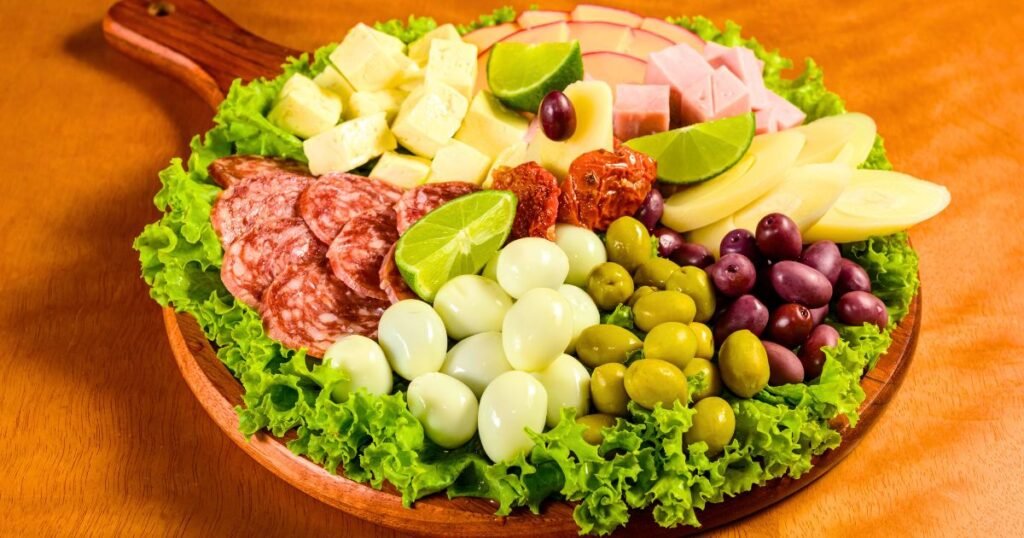
Preparation Prepping Ingredients & Boards for Chilling
The most effective temperature-control strategy begins before the board is assembled.
Many people focus on cooling after setup, but professionals know that successful charcuterie displays start with proper preparation.
Start with a Cooling Plan
Before purchasing ingredients, consider:
- Event duration
- Indoor or outdoor location
- Expected temperature
- Guest count
- Available refrigeration
Your answers will help determine which cooling methods you’ll need.
For example:
- A one-hour indoor gathering may require minimal intervention.
- A four-hour outdoor summer party will require multiple cooling solutions and board rotations.
Pre-Chill All Ingredients
One of the simplest and most effective strategies is ensuring every ingredient starts cold.
Keep all components refrigerated until assembly begins.
This includes:
- Meats
- Cheeses
- Fruits
- Vegetables
- Dips
- Spreads
- Garnishes
Starting with cold ingredients provides a significant temperature advantage.
Instead of warming immediately after setup, foods remain within safe serving temperatures for much longer.
Refrigerate Ingredients Overnight
Whenever possible, refrigerate ingredients overnight before serving.
This ensures:
- Consistent internal temperature
- Better freshness
- Longer display life
- Improved food safety
Avoid leaving grocery bags on countertops while preparing for events.
Even short periods at room temperature can reduce your cooling window later.
Prep Ingredients Ahead of Time
Preparation makes assembly easier and helps preserve temperatures.
You can prepare:
Cheese
- Slice hard cheeses
- Cube cheddar
- Cut wedges
- Portion servings
Meats
- Fold salami
- Create meat roses
- Roll prosciutto
- Separate slices
Produce
- Wash berries
- Cut vegetables
- Prepare garnishes
Store prepared ingredients in airtight containers until assembly time.
Use Airtight Storage Containers
Airtight containers help:
- Retain freshness
- Prevent odor transfer
- Reduce moisture loss
- Maintain refrigeration efficiency
Label containers if preparing multiple boards.
Chill the Board Itself
- One commonly overlooked step is chilling the serving board.
- This speeds up assembly while minimizing refrigerator door openings.
- Cold ingredients placed on a warm board immediately begin warming.
- Instead, pre-chill serving surfaces whenever possible.
Best Materials for Chilling
Some materials retain cold temperatures better than others.
Excellent options include:
Marble
Marble is one of the best choices for temperature retention.
Benefits:
- Stays cold longer
- Elegant appearance
- Easy to clean
Granite
- Granite provides similar benefits and works exceptionally well for large displays.
Slate
Slate offers:
- Modern appearance
- Good cooling retention
- Attractive dark contrast
Stainless Steel
Frequently used in professional catering due to its superior cooling properties.
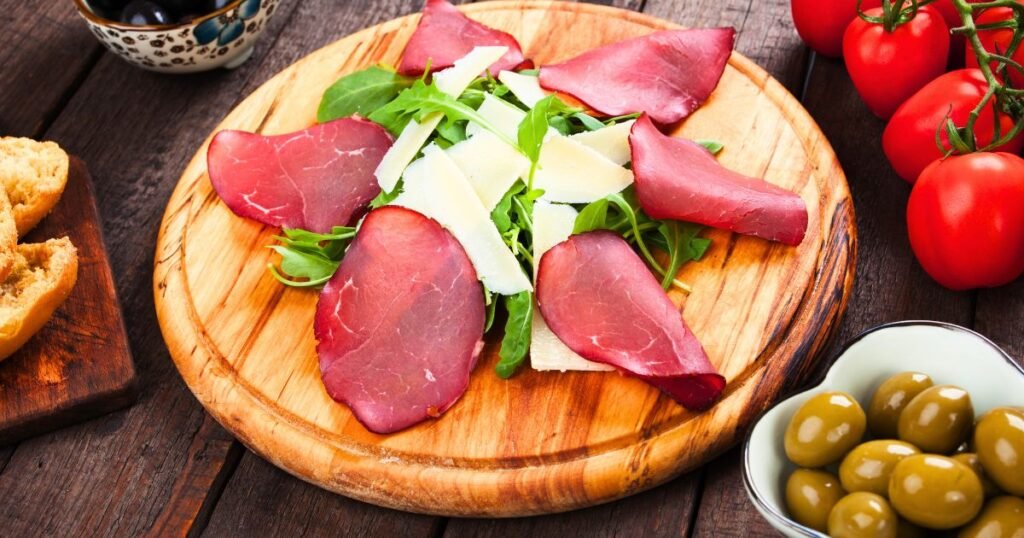
How to Chill the Board?
Depending on size:
- Refrigerate for 30–60 minutes
- Freeze for 15–20 minutes
- Store in a cold room before serving
Avoid freezing wooden boards because extreme temperature changes may cause cracking or warping.
Chill Small Serving Dishes
Don’t stop with the main board.
Also refrigerate:
- Ramekins
- Dip bowls
- Olive dishes
- Serving spoons
- Cheese knives
Every chilled component contributes to overall temperature control.
Assemble Close to Serving Time
Professional caterers often assemble boards shortly before service.
This minimizes exposure to room temperature.
Ideally:
- Assemble within 30–60 minutes of serving
- Keep finished boards refrigerated until presentation
- Transport immediately before guests arrive
Separate Temperature-Sensitive Foods
Some ingredients warm faster than others.
Group highly perishable items together so they can be placed over cooling zones later.
Examples:
- Soft cheeses
- Fresh mozzarella
- Creamy dips
- Cut fruit
This allows more strategic cooling during display.
Use Layered Cooling Techniques
The best charcuterie displays rely on multiple cooling methods working together.
For example:
- Chilled ingredients
- Chilled board
- Frozen cooling mat underneath
- Shaded serving location
Each layer extends safe serving time and improves food quality.
Prepare Backup Ingredients
Experienced hosts always prepare extra chilled ingredients.
Store reserve items in the refrigerator.
This allows you to:
- Refresh the display
- Replace warming foods
- Replenish depleted sections
A refreshed board often looks better than one continuously sitting out for hours.
Consider Event Timing
Serve charcuterie strategically.
For outdoor events:
- Early morning
- Late afternoon
- Evening
These periods are typically cooler and easier for temperature management.
Avoid placing boards outdoors during peak afternoon heat whenever possible.
Build the Board in Stages
Instead of assembling everything at once:
- Arrange stable ingredients first.
- Add cheeses.
- Add meats.
- Add fruit last.
- Place crackers just before serving.
This reduces exposure and preserves freshness.
Professional Caterer Secret
- Many caterers refrigerate finished boards for 20–30 minutes after assembly.
- This final chilling step allows the entire display to reach a consistent temperature before presentation.
- The result is a board that stays fresh longer and maintains its appearance throughout service.
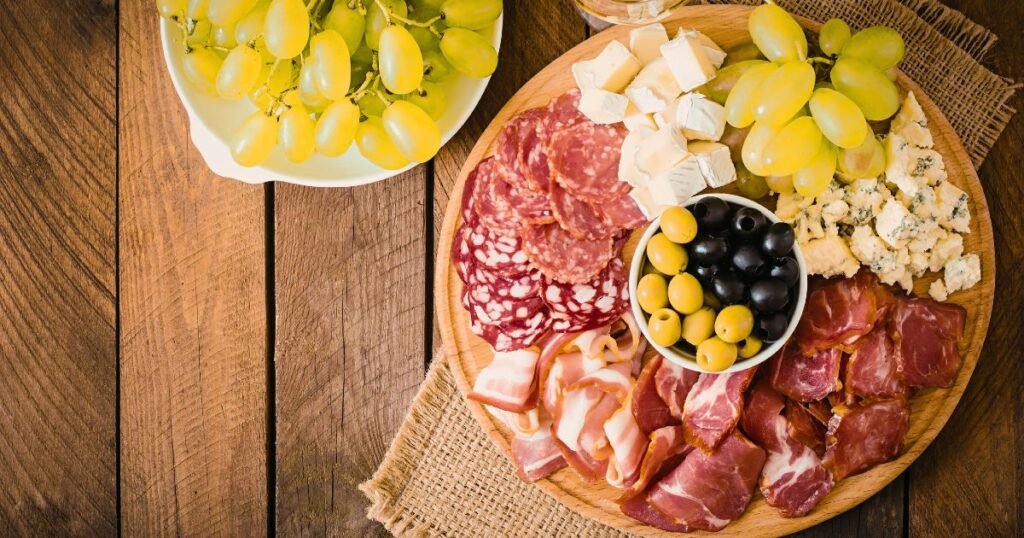
Methods to Keep a Charcuterie Board Cold
Once your ingredients are properly chilled and your board is assembled, the next challenge is maintaining a safe temperature throughout the event. This becomes especially important when entertaining for several hours, serving outdoors, or hosting large gatherings where guests graze continuously.
The good news is that there are numerous practical ways to keep a charcuterie board cold without sacrificing presentation. From simple household solutions to professional catering equipment, the right method depends on your event size, location, budget, and serving duration.
The most successful hosts often combine several cooling techniques to maximize effectiveness.
FlexiFreeze Party Mats & Ice-Serving Trays
One of the easiest ways to keep food cold without disrupting the visual appeal of your display is to use frozen cooling mats beneath your serving board.
FlexiFreeze-style cooling mats contain individual ice cells that freeze solid and provide consistent cooling over an extended period. Unlike loose ice, these mats create a flat surface, making them ideal for charcuterie presentations.
Why Cooling Mats Work So Well?
Cooling mats provide indirect refrigeration from underneath the board.
Benefits include:
- Even temperature distribution
- Hidden cooling source
- No direct food contact with ice
- Minimal impact on presentation
- Easy setup and cleanup
Because the cooling source remains concealed, guests can enjoy a beautiful display without noticing the temperature-control system underneath.
How to Use Cooling Mats Effectively?
For best results:
- Freeze the mat completely according to the manufacturer’s instructions.
- Place a thin towel or cloth over the mat.
- Position your serving board on top.
- Arrange food immediately before serving.
The cloth layer helps absorb condensation and prevents slipping.
Ice-Serving Trays
Dedicated ice-serving trays offer another highly effective option.
These trays typically feature:
- Lower ice compartment
- Elevated food platform
- Drainage channels
- Protective covers
The ice remains hidden beneath the food while cold air circulates upward.
Many professional caterers use these trays because they combine food safety with attractive presentation.
Roll-Top Cooling Trays
Roll-top cooling trays provide an additional layer of protection.
Advantages include:
- Protection from insects
- Reduced temperature loss
- Cleaner presentation
- Enhanced food safety
- Better performance outdoors
These systems are particularly useful for:
- Weddings
- Outdoor receptions
- Garden parties
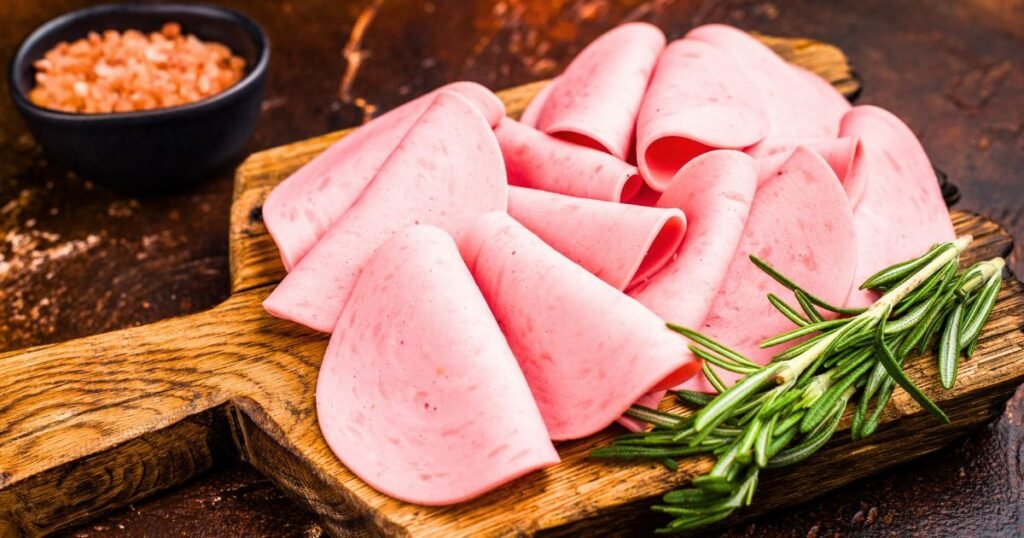
How Long Do They Stay Cold?
Most quality cooling mats and ice trays provide effective cooling.
For:
- 2–4 hours indoors
- 1–3 hours outdoors
Actual performance depends on:
- Ambient temperature
- Sun exposure
- Humidity
- Board size
- Amount of food
For longer events, keep spare mats frozen and rotate them as needed.
Inflatable Food Coolers & Ice Buffets
When serving large groups outdoors, inflatable buffet coolers can be surprisingly effective.
These lightweight cooling stations create a large bed of ice that supports serving trays, bowls, and charcuterie boards.
What Is an Inflatable Buffet Cooler?
An inflatable buffet cooler resembles a shallow tray made from durable vinyl.
Once inflated:
- Fill the basin with ice.
- Position serving trays on top.
- Replace ice as needed.
This creates a large chilled serving area perfect for outdoor entertaining.
Advantages of Inflatable Coolers
They offer several benefits:
- Affordable
- Portable
- Lightweight
- Easy storage
- Large cooling capacity
Because they collapse when not in use, they require very little storage space.
Best Uses
Inflatable coolers work exceptionally well for:
- Backyard barbecues
- Family reunions
- Graduation parties
- Poolside gatherings
- Summer picnics
Preventing Water Damage
One concern when using ice buffets is moisture.
Protect wooden boards by placing:
- Plastic serving trays
- Waterproof mats
- Sheet pans
- Food-safe liners
Between the ice and the board. This prevents water absorption and helps preserve the board’s appearance.
Creating a Multi-Level Display
You can also create visual interest by placing:
- Small risers
- Elevated trays
- Decorative stands
Inside the cooler. This keeps ingredients above melting ice while adding dimension to the presentation.
Portable/Insulated Carrying Solutions
Transportation often presents the greatest temperature challenge.
A perfectly chilled charcuterie board can quickly warm during travel if not properly insulated.
Insulated Coolers
Hard-sided coolers remain one of the most reliable transport options.
Benefits include:
- Excellent temperature retention
- Protection from movement
- Reduced contamination risk
- Suitable for long distances
Place frozen gel packs beneath and around the board for maximum effectiveness.
Soft-Sided Insulated Bags
Modern insulated bags are another excellent solution.
They are ideal for:
- Potlucks
- Small events
- Office parties
- Family gatherings
Look for models with:
- Thick insulation
- Waterproof lining
- Strong zippers
- Reinforced handles
Gel Ice Packs vs Loose Ice
Gel packs are generally preferable because they:
- Stay contained
- Prevent leaks
- Reduce mess
- Maintain consistent cooling
Loose ice can create excess moisture and potentially damage the presentation of food.
Transporting Fully Assembled Boards
If transporting a completed board:
- Wrap tightly with plastic wrap.
- Secure loose items.
- Keep level during travel.
- Minimize transit time.
- Refrigerate immediately upon arrival if not serving.
Commercial Catering Solutions
Professional caterers often use insulated food transport systems designed specifically for cold foods.
These containers maintain safe temperatures for several hours and are especially useful for weddings and large events.
Display and Food Safety Tips for Events
Even the best cooling equipment can only do so much if the board is displayed improperly. Smart event management plays a major role in maintaining food quality and safety.
The following strategies help ensure your charcuterie board stays fresh from start to finish.
Portion Sizes & Rotation
One of the most effective professional techniques is board rotation.
Instead of presenting a massive grazing board all at once, use several smaller boards.
Why Rotation Works
Smaller boards:
- Stay fresher longer
- Look fuller throughout the event
- Reduce food waste
- Improve food safety
Rather than exposing all ingredients to room temperature simultaneously, only a portion remains on display.
The Catering Approach
Professional caterers often prepare:
- Board A
- Board B
- Board C
Board A is served first. As it becomes depleted, Board B replaces it while Board C remains refrigerated. This continuous rotation maintains freshness and presentation quality.
Ideal Refresh Schedule
For most events:
- Indoor events: every 60–90 minutes
- Outdoor events: every 30–60 minutes
The hotter the environment, the more frequently boards should be refreshed.
Avoid Overloading
- Large quantities of food warm more slowly but may remain exposed too long.
- Serve only what guests are likely to consume within a reasonable timeframe.
- Fresh replenishment often creates a more impressive display than oversized boards.
Monitor & Maintain Temperature
Temperature monitoring is one of the most overlooked aspects of charcuterie service.
Use a Food Thermometer
An instant-read thermometer provides valuable information about food safety.
Check temperatures periodically for:
- Soft cheeses
- Meats
- Dips
- Cut fruits
If food approaches unsafe temperatures, replace or refrigerate it.
Understand the Two-Hour Rule
Food safety experts generally recommend:
- Maximum two hours at room temperature
- Maximum one hour above 90°F (32°C)
These guidelines help reduce the risk of bacterial growth.
Replace Ice Regularly
Cooling systems lose effectiveness as ice melts.
Monitor:
- Ice trays
- Cooling mats
- Ice buffets
- Gel packs
Replace or refresh cooling sources before they become ineffective.
Position Matters
Location significantly affects temperature.
Choose areas that are:
- Shaded
- Well-ventilated
- Away from sunlight
- Away from cooking equipment
Avoid placing boards near:
- Grills
- Ovens
- Fire pits
- Sunny windows
Even indirect heat can dramatically reduce cooling efficiency.
Labeling and Utensil Hygiene
Food safety involves more than temperature alone.
Guest interaction can introduce contamination if proper precautions are not taken.
Label Ingredients Clearly
Labels provide several benefits:
- Identify cheeses and meats
- Assist guests with allergies
- Support dietary preferences
- Create a professional presentation
Useful information may include:
- Ingredient names
- Milk type
- Spice level
- Dietary notes
Separate Serving Utensils
Provide individual utensils for:
- Meats
- Cheeses
- Spreads
- Olives
- Pickles
This minimizes cross-contamination and maintains flavor integrity.
Replace Dropped Utensils Immediately
- Keep spare utensils nearby.
- If serving tools fall or become contaminated, replace them promptly.
Encourage Hygienic Serving
At larger events, consider:
- Tongs
- Small forks
- Disposable picks
These reduce direct hand contact with food.
Protect Food Outdoors
Outdoor events introduce additional challenges.
Use:
- Mesh covers
- Dome covers
- Roll-top lids
To shield food from:
- Insects
- Dust
- Debris
- Wind
These protective measures also help retain cooler temperatures.
Advanced Solutions – DIY and Commercial Options
For hosts who frequently entertain or cater events, advanced cooling methods can provide superior results.
These solutions range from creative DIY techniques to professional-grade equipment.
DIY Chilling Tips
- You don’t always need expensive equipment to maintain a cold display.
- Many effective cooling solutions can be created using items you already have at home.
Freeze Grapes and Berries
Frozen fruits serve two purposes:
- Decorative garnish
- Supplemental cooling source
As they thaw, they help maintain lower temperatures around nearby foods.
Use Frozen Citrus Slices
Freeze:
- Lemon slices
- Lime slices
- Orange wheels
Inside decorative ice cubes. These add visual appeal while providing cooling benefits.
Hidden Ice Packs
Place slim reusable ice packs beneath:
- Parchment paper
- Serving liners
- Decorative cloths
This creates invisible cooling from below.
Frozen Serving Stones
- Chill marble or slate serving pieces in advance.
- Their natural thermal retention helps maintain food temperatures significantly longer than wood.
Layered Cooling Technique
For maximum effectiveness:
- Chill ingredients.
- Chill board.
- Use a cooling mat.
- Add ice packs underneath.
- Place in a shaded location.
These combined strategies dramatically improve performance.
Commercial Cooling Gear
Professional-grade equipment offers enhanced reliability and longer cooling durations.
FlexiFreeze Mats
Pros:
- Reusable
- Flexible
- Easy storage
- Uniform cooling
Cons:
- Condensation management required
- Limited duration
Roll-Top Cooling Trays
Pros:
- Excellent insulation
- Insect protection
- Elegant appearance
Cons:
- Higher cost
- Larger storage requirements
Stainless Steel Chilled Trays
Commonly used in catering environments.
Benefits include:
- Superior temperature retention
- Durability
- Professional appearance
Refrigerated Display Units
For commercial events, refrigerated serving stations provide continuous cooling.
Advantages:
- Maximum food safety
- Extended serving times
- Consistent temperatures
These systems are frequently used for:
- Weddings
- Hotels
- Corporate catering
- Luxury events
Is Commercial Equipment Worth It?
For occasional entertaining, DIY solutions are often sufficient.
However, if you regularly host:
- Large parties
- Outdoor events
- Catering jobs
Professional cooling equipment may be a worthwhile investment.
Frequently Asked Questions: How to Keep a Charcuterie Board Cold?
Q. How long can a charcuterie board stay out at room temperature?
- A charcuterie board can safely remain at room temperature for up to 2 hours. If the temperature is above 90°F (32°C), limit serving time to 1 hour.
Q. What is the best way to keep a charcuterie board cold?
- Use a chilled serving board, frozen cooling mats, ice trays, or insulated serving platters to maintain safe temperatures throughout your event.
Q. Can I make a charcuterie board the night before?
- Yes. You can assemble most charcuterie boards up to 24 hours in advance. Cover tightly with plastic wrap and refrigerate until serving.
Q. Which cheeses need to stay cold the most?
- Soft cheeses such as Brie, Camembert, Burrata, Goat Cheese, and Fresh Mozzarella should remain well chilled because they spoil faster than hard cheeses.
Q. What board material stays cold the longest?
- Marble, granite, slate, and stainless steel retain cold temperatures much longer than wooden boards, making them excellent choices for charcuterie displays.
Q. Should crackers and bread be refrigerated?
- No. Crackers, bread, and breadsticks are best stored at room temperature and added just before serving to maintain their texture and crunch.
Q. Can I use ice directly under a charcuterie board?
- Yes, but place a waterproof tray or barrier between the ice and the board to prevent moisture damage and soggy ingredients.
Q. How do caterers keep charcuterie boards cold at events?
- Professional caterers often use cooling trays, ice buffets, chilled serving surfaces, and rotating backup boards to keep food fresh and safe.
Q. What foods spoil fastest on a charcuterie board?
- Soft cheeses, cream-based dips, cut melons, fresh berries, seafood, and sliced deli meats typically spoil faster and require extra temperature control.
Q. Is it safe to serve charcuterie outdoors?
- Yes, as long as the board is kept shaded, properly chilled, and refreshed regularly. Outdoor events often require additional cooling methods and more frequent monitoring.
Q. Can frozen fruit help keep a charcuterie board cold?
- Yes. Frozen grapes, berries, and citrus slices can act as decorative cooling elements while helping maintain lower temperatures around nearby foods.
Q. How often should I replace or refresh a charcuterie board?
- For long events, refresh the board every 30–60 minutes outdoors and every 60–90 minutes indoors to maintain freshness and food safety.
Q. Can I transport a charcuterie board without it warming up?
- Yes. Use an insulated cooler or carrier with frozen gel packs to keep the board cold during transportation.
Q. Do cured meats need refrigeration while serving?
- Yes. Although cured meats are preserved, they should still be kept cold during service to maintain quality and reduce food safety risks.
Q. What temperature should a charcuterie board stay at?
- For optimal food safety, keep perishable ingredients at or below 40°F (4°C) whenever possible.
Q. Are cooling mats better than regular ice?
- Cooling mats are often more convenient because they provide even cooling without creating excess water or affecting the board’s presentation.
Q. Can I leave cheese out all day on a grazing table?
- No. Most cheeses should not remain unrefrigerated for extended periods. Replace or rotate cheeses regularly during long events.
Q. What is the biggest mistake people make with charcuterie boards?
- The most common mistake is leaving perishable foods out too long without temperature control, which can affect both food safety and quality.
Conclusion
A stunning charcuterie board is about far more than an attractive arrangement. While presentation may capture attention, proper temperature control protects food quality, preserves flavor, and ensures guest safety throughout the event. By understanding how temperature affects meats, cheeses, fruits, and dips, you can make smarter decisions during preparation, transportation, and service. Starting with thoroughly chilled ingredients, selecting temperature-retaining serving surfaces, and using effective cooling methods all contribute to a more successful display.
Whether you’re hosting a small family gathering, organizing a holiday celebration, planning a wedding reception, or creating an outdoor grazing table, maintaining cold temperatures should always be part of your strategy. Simple solutions such as cooling mats, ice trays, insulated carriers, and board rotation can dramatically extend freshness while preserving the beautiful appearance that makes charcuterie so appealing.
Professional caterers know that the best displays combine thoughtful preparation with ongoing maintenance. Monitoring temperatures, replacing warming foods, and using multiple layers of cooling can help ensure every guest enjoys food that is both delicious and safe. With the techniques outlined in this guide, you can confidently create charcuterie boards that remain fresh, visually impressive, and enjoyable from the first bite to the last. A little planning goes a long way toward protecting your ingredients, enhancing your presentation, and delivering an exceptional entertaining experience every time.