Serving Tray with Handles vs Without Handles – Find the Perfect Tray Style for Your Home & Hosting Needs
A serving tray may seem like a small home accessory, but the right design can completely change how you entertain, organize, and decorate your space. Whether you are carrying breakfast to the patio, styling a coffee table, or serving drinks to guests, the choice between a serving tray with handles vs. one without handles matters more than most people realize.
At first glance, the difference appears simple. One style includes handles for easy transport, while the other focuses on a sleek, uninterrupted surface. However, once you begin using trays in everyday life, you quickly discover that each design offers very different benefits. Some homeowners prioritize comfort, portability, and secure carrying. Others prefer modern aesthetics and minimalist styling. The good news is that there is no universally “correct” choice. The best tray style depends entirely on your lifestyle, decorating preferences, and intended use.
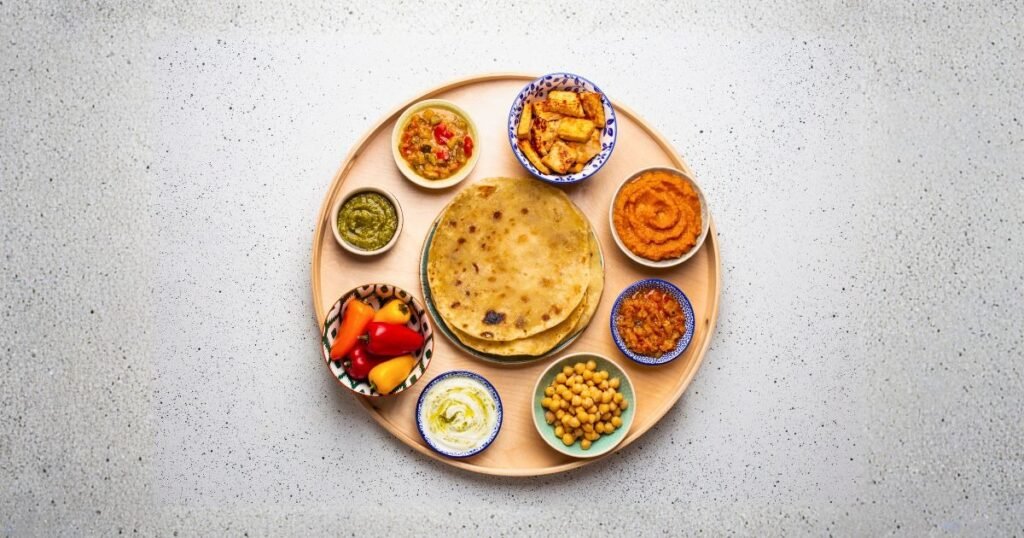
In this complete guide, we’ll explore the pros, cons, materials, design differences, practical uses, and expert buying tips to help you confidently choose the perfect serving tray for your home.
Table of Contents
Overview: What’s the Difference?
Before comparing features, it’s important to understand the core difference between these two tray styles.
Serving Trays with Handles
These trays include built-in carrying support.
Such as:
- Metal loop handles
- Wooden cut-out grips
- Leather straps
- Raised side handles
- Integrated side rails
Their primary function is mobility. They are specifically designed to transport food, drinks, dishes, and decorative items safely from one location to another.
Handled trays are commonly used for:
- Breakfast in bed
- Outdoor entertaining
- Cocktail service
- Tea and coffee serving
- Carrying snacks between rooms
Because they provide extra grip and stability, they are ideal for active households and frequent hosts.
Serving Trays without Handles
Handleless trays emphasize presentation and design simplicity.
These trays usually feature:
- Flat surfaces
- Minimalist edges
- Clean geometric shapes
- Low-profile borders
Instead of functioning mainly as carrying tools, they act as decorative foundations for organizing or displaying items.
They are commonly used for:
- Coffee table décor
- Vanity organization
- Kitchen counter styling
- Candle displays
- Decorative centerpieces
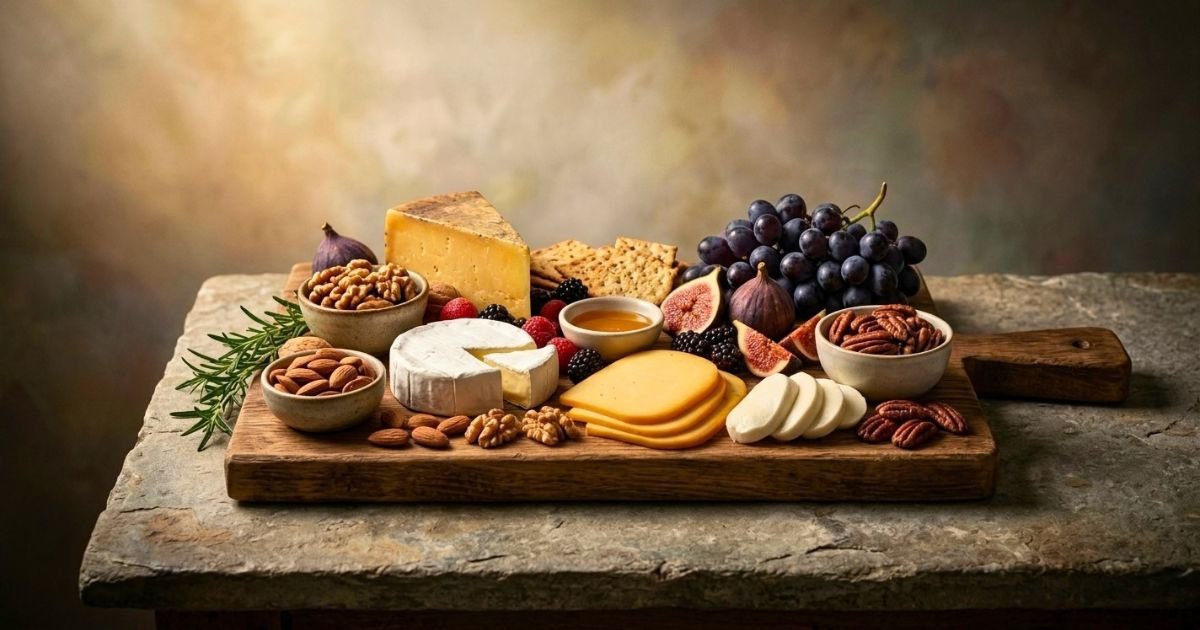
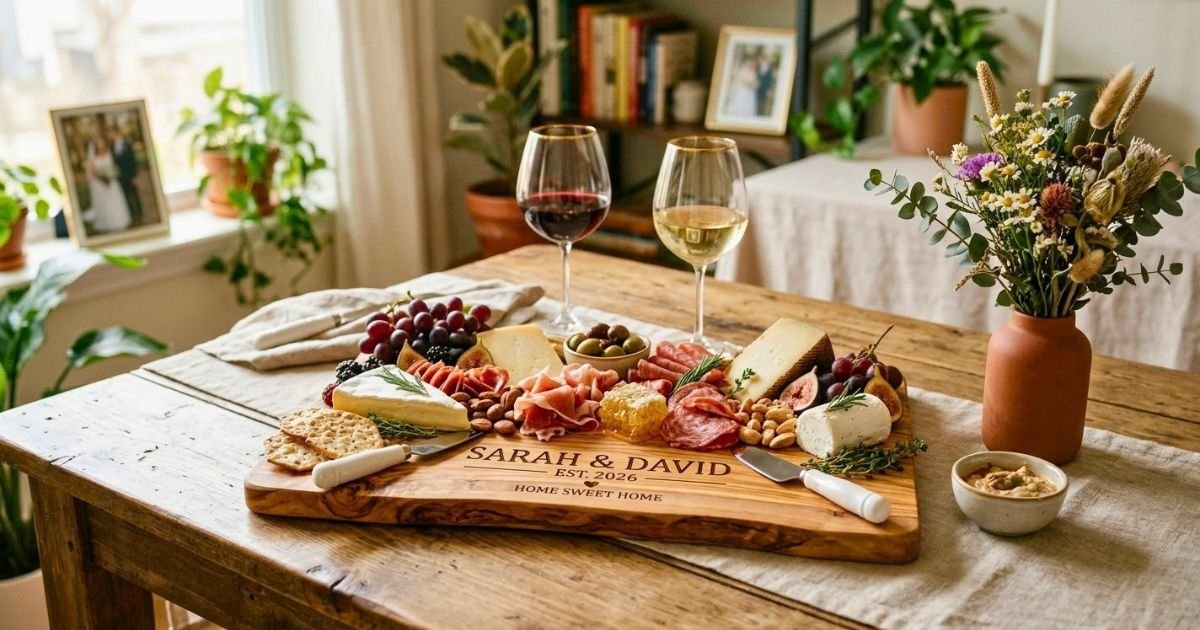
- Charcuterie presentation
Handleless trays often feel more elegant, modern, and visually lighter than bulkier handled designs.
Pros and Cons of Serving Trays with Handles
Handled trays remain one of the most practical home accessories because they combine convenience with functionality.
Advantages
Superior Carrying Comfort
Handles allow you to maintain a secure grip while transporting heavy or delicate items.
This becomes especially important when carrying:
- Hot coffee
- Wine glasses
- Plates and bowls
- Tea sets
- Charcuterie boards
Without handles, balancing heavier loads can become awkward and unsafe.
Better Stability
A tray with sturdy handles helps distribute weight evenly across your hands and wrists. This reduces the likelihood of spills, tipping, or accidents.
This is especially helpful when:
- Walking upstairs
- Navigating crowded spaces
- Serving guests outdoors
- Carrying multiple drinks
Excellent for Hosting
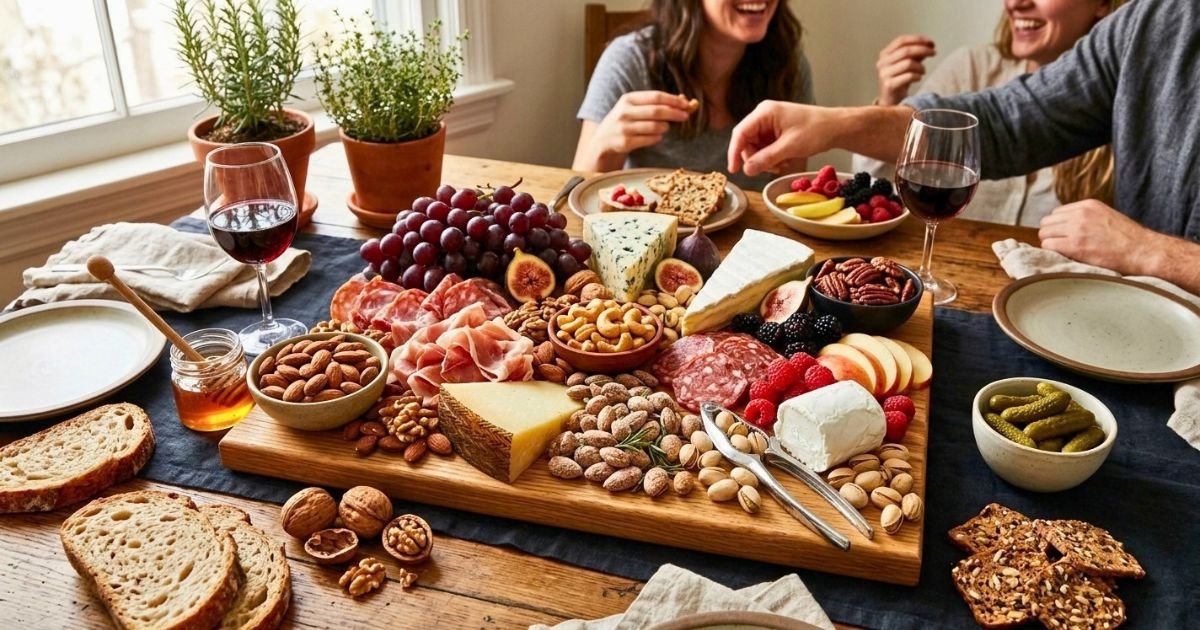
If you regularly entertain guests, handled trays make serving dramatically easier.
They work beautifully for:
- Family gatherings
- Outdoor BBQs
- Holiday dinners
- Tea parties
A well-designed handled tray allows you to transport several items at once while maintaining elegance and efficiency.
Safer for Families
Handled trays are often easier for children or older adults to use because they provide extra grip support.
This added stability can help prevent:
- Dropped dishes
- Slipping drinks
- Accidental spills
Disadvantages
Bulkier Appearance
- Handles naturally add extra visual weight. Some handled trays may appear more traditional or utilitarian compared to a sleek modern tray.
- Large side handles can sometimes overpower minimalist décor styles.
More Difficult to Store
- Raised handles make stacking difficult. They often require additional cabinet or pantry space.
- This becomes noticeable if you own multiple serving trays.
Cleaning Around Hardware
- Metal or attached handles may create small crevices where crumbs, oils, or liquids collect. Cleaning these areas can take slightly more effort compared to flat trays.
Expert Tip: If you love hosting dinner parties or dream of serving breakfast in bed, a tray with sturdy handles is your best friend. The peace of mind it offers is worth any slight compromise in sleekness.
Pros and Cons of Serving Trays without Handles
Handleless trays are popular in modern interior design because of their clean lines and decorative versatility.
Advantages
Sleek Minimalist Aesthetic
Without protruding handles, the tray surface appears smooth and uninterrupted.
This creates a polished, modern appearance that works beautifully in:
- Scandinavian interiors
- Contemporary homes
- Minimalist spaces
- Luxury décor themes
Perfect for Decorative Styling
Handleless trays excel as decorative organizers because they visually frame items without adding clutter.
They are ideal for styling:
- Candles
- Books
- Plants
- Perfume bottles
- Jewelry
- Coffee table accessories
Interior designers frequently use handleless trays to create organized visual “zones” within a room.
Easier Storage
- Because they stack flat, handleless trays are much easier to store inside cabinets, drawers, or shelves.
- This makes them practical for smaller kitchens or apartments with limited storage.
Simple Cleaning
- Flat tray surfaces are easy to wipe down quickly. Without hardware or deep corners, maintenance becomes very straightforward.
Disadvantages
Difficult to Carry
Without handles, you must grip the tray underneath or by the edges.
This becomes uncomfortable when carrying:
- Heavy dishes
- Drinks
- Hot items
- Large platters
Higher Spill Risk
- Because your grip is less secure, the tray can tilt more easily during transport.
- This makes handleless trays less ideal for serving liquids or carrying items over long distances.
Less Functional for Hosting
While beautiful for presentation, handleless trays are not always practical for active entertaining.
They are best suited for:
- Stationary serving
- Decorative use
- Light carrying tasks
Expert Tip: Handleless trays shine in minimalist spaces or as décor accents. They are perfect for organizing and displaying items that are already in their final spot, not necessarily for heavy-duty serving.
Head-to-Head Comparison: Handles vs. No Handles
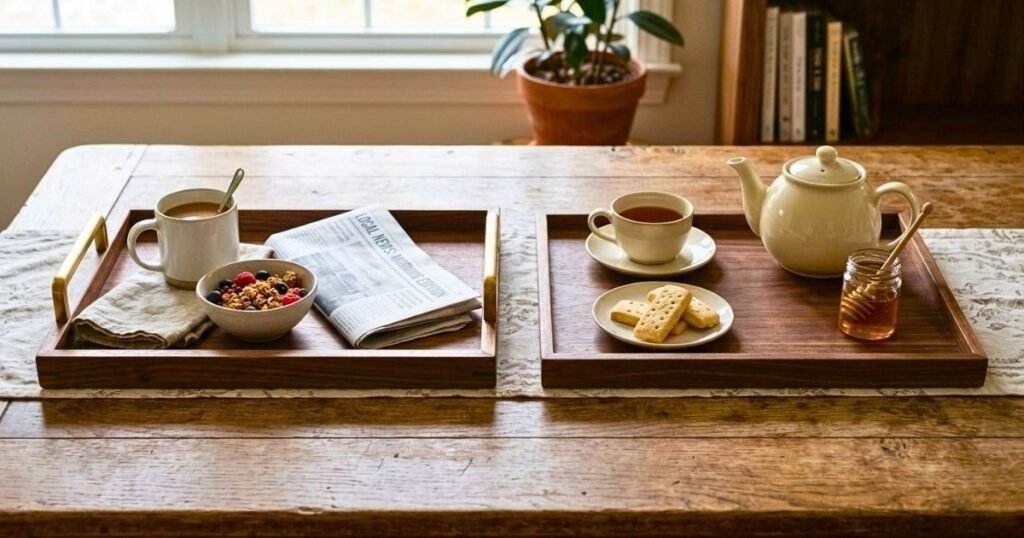
Here’s a detailed comparison of the most important factors homeowners consider.
| Feature | With Handles | With Handles |
| Portability | Excellent | Limited |
| Stability | Very secure | Moderate |
| Modern Appearance | Moderate | Excellent |
| Decorative Styling | Good | Excellent |
| Storage Convenience | Moderate | Excellent |
| Cleaning Ease | Moderate | Easy |
| Entertaining | Best choice | Limited |
| Minimalist Décor | Moderate | Best choice |
| Carrying Drinks | Excellent | Risky |
| Coffee Table Styling | Good | Excellent |
Functionality & Use
Your intended use should ultimately guide your decision.
Best Uses for Trays with Handles
Choose handled trays if you regularly:
- Serve drinks
- Carry food
- Entertain guests
- Use trays outdoors
- Move items between rooms
- Serve breakfast in bed
Their ergonomic support makes everyday serving far easier.
Best Uses for Handleless Trays
Choose handleless trays if you mainly need:
- Coffee table organization
- Vanity storage
- Decorative styling
- Countertop organization
- Minimalist décor accents
These trays work best when they remain mostly stationary.
Design & Aesthetics
The tray design dramatically impacts your overall home décor style.
With Handles
Handled trays often complement:
- Farmhouse interiors
- Rustic décor
- Coastal spaces
- Traditional homes
- Industrial designs
Modern versions with slim metal handles can still look contemporary and elegant.
Without Handles
Handleless trays pair beautifully with:
- Scandinavian interiors
- Modern homes
- Luxury styling
- Minimalist spaces
- Neutral color palettes
Their clean silhouettes create a refined visual effect.
Material Options
Material choice affects appearance, durability, maintenance, and weight.
Wood & Bamboo
- Warm and versatile
- Great for farmhouse décor
- Lightweight and durable
- Popular for breakfast trays
Wooden trays with cut-out handles offer excellent grip without sacrificing style.
Marble
- Luxurious and elegant
- Heavy and decorative
- Best for stationary use
- Ideal for vanity styling
Marble trays without handles often function more as décor pieces than serving tools.
Metal
- Strong and modern
- Industrial appearance
- Durable for heavy use
- Often paired with gold or black finishes
Metal handled trays work especially well for serving cocktails.
Acrylic
- Modern and lightweight
- Easy to clean
- Glamorous transparent appearance
- Perfect for contemporary homes
Acrylic handleless trays nearly disappear visually, creating a floating effect.
Rattan & Wicker
- Lightweight and textured
- Coastal or boho aesthetic
- Comfortable grip
- Great for casual entertaining
Cleaning & Maintenance
Every tray requires proper care depending on its material.
Handled Trays
Pay attention to:
- Handle joints
- Metal hardware
- Crevices near edges
Clean with a soft cloth and avoid soaking wooden trays.
Handleless Trays
Maintenance is generally simpler because:
- Surfaces are flat
- Fewer crevices exist
- Wiping takes seconds
Ideal Use Cases
Here’s a simple cheat sheet for when to use each:
| Purpose | Best Tray Type |
| Serving drinks (coffee, cocktails) | With Handles |
| Outdoor entertaining / Patio use | With Handles |
| Breakfast in bed | With Handles |
| Organizing a coffee table or ottoman | Both (Handles add stability on soft surfaces) |
| Decorative display (candles, vases) | Without Handles |
| Vanity tray for perfume/jewelry | Without Handles |
| Kitchen counter organization | Without Handles |
| Minimalist décor | Without Handles |
Expert Tips for Choosing the Right Tray
Prioritize Real-Life Function
Don’t buy a tray only because it looks beautiful online.
Ask yourself:
- Will you carry it often?
- Will it stay in one spot?
- Will you serve drinks regularly?
- Is it mainly decorative?
Function should always come first.
Consider Weight Carefully
- Heavy trays become frustrating quickly.
- Large marble or thick wood trays may look luxurious, but can become impractical for everyday use.
Look for Hybrid Designs
- Some trays offer subtle cut-out handles or raised lips that combine minimalist aesthetics with better grip support.
- These are excellent compromises.
Match Tray Size to Surface
- Oversized trays overwhelm small tables, while tiny trays look awkward on large ottomans.
- Measure before purchasing.
Common Mistakes to Avoid
Choosing Style Over Practicality
- A beautiful tray that is uncomfortable to carry may rarely get used.
Ignoring Handle Comfort
- Sharp or thin handles can dig painfully into your hands.
- Always prioritize ergonomic grip design.
Buying the Wrong Material
- Unsealed wood may warp in bathrooms or kitchens with high moisture.
- Choose materials based on location and use.
Overloading Handleless Trays
- Even attractive trays have weight limits. Avoid carrying heavy drinks or dishes on flat trays without proper grip support.

Frequently Asked Questions for Serving Tray with Handles vs Without Handles
Q. Are serving trays with handles better for everyday use?
- Yes, trays with handles are generally better for everyday serving because they provide a safer, more comfortable grip when carrying drinks, snacks, or meals around the house.
Q. Can you use a handleless tray for serving food?
- Absolutely. Handleless trays work well for serving food in one location, such as charcuterie boards, desserts, breakfast spreads, or coffee table snacks.
Q. Which tray style is best for coffee table décor?
- Handleless trays are usually the best choice for coffee table styling because they create a cleaner, more modern, and less cluttered appearance.
Q. Are trays with handles harder to store?
- Sometimes. Raised handles can make stacking more difficult, especially in smaller cabinets or kitchen spaces.
Q. What material is best for a serving tray?
- It depends on your needs. Wood and bamboo are versatile and lightweight, marble looks luxurious, acrylic feels modern, and rattan works beautifully for casual or coastal décor.
Q. Do handles make a tray safer to carry?
- Yes. Handles improve balance and grip, reducing the risk of spills or dropped items when transporting food and drinks.
Q. Which tray style works best for minimalist interiors?
- Handleless trays usually suit minimalist and Scandinavian-style interiors because of their sleek, uninterrupted design.
Q. Can decorative trays also be functional?
- Definitely. Many decorative trays can still organize items, serve snacks, or display candles and accessories while enhancing your home décor.
Q. Are wooden trays durable for long-term use?
- High-quality wooden trays are extremely durable when properly cleaned, dried, and occasionally conditioned with food-safe oil.
Q. Should I own both tray styles?
- For most homes, yes. A handled tray is perfect for serving and entertaining, while a handleless tray works beautifully for organization and decorative styling.
Conclusion
The debate between serving tray with handles vs without handles ultimately comes down to how you live and entertain. If your priority is portability, practicality, and easy serving, a tray with handles is the smarter investment. It offers comfort, stability, and everyday convenience.
If your focus is minimalist styling, decorative organization, and sleek aesthetics, a handleless tray delivers a clean and sophisticated look that enhances modern interiors.
For many homeowners, the best solution is actually owning both:
- A sturdy handled tray for entertaining and serving
- A sleek handleless tray for décor and organization
When chosen thoughtfully, the right tray becomes more than just a household accessory. It becomes a practical design element that enhances both your home and your daily routines.