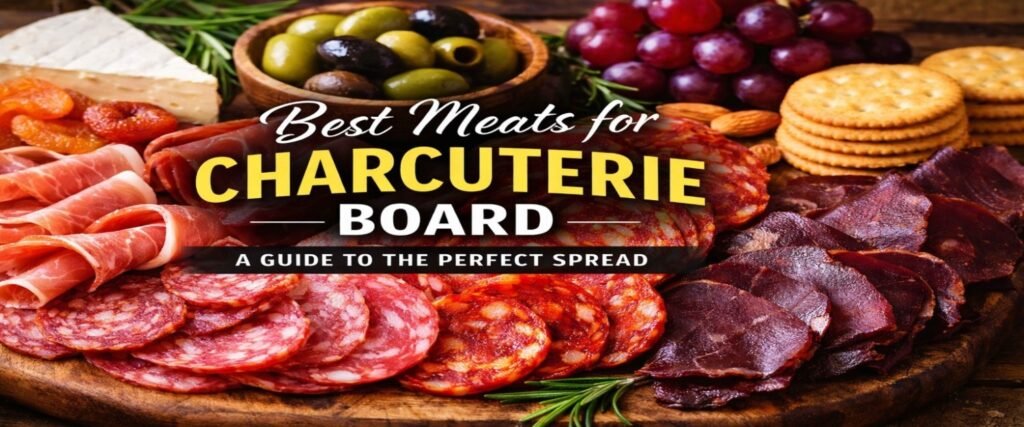
Best Meats for Charcuterie Board: Expert Guide to a Stunning Spread
A charcuterie board is far more than a simple tray of snacks. It is a centerpiece for entertaining, a conversation starter, and a creative way to serve a variety of flavors in one beautiful presentation. Whether you are hosting friends, planning a holiday gathering, preparing a date-night spread, or creating content for social media, the meat selection plays the most important role.
Table of Contents
When people think of charcuterie, they often imagine elegant ribbons of prosciutto, neatly folded salami, and rich slices of cured sausage. But with so many options available, choosing the best meats for a charcuterie board can feel confusing. Should you go classic with prosciutto and salami? Add spicy chorizo? Choose premium cuts like Jamón Ibérico? Or mix mild and bold flavors?
The answer is balance.
A memorable charcuterie board combines different meats with varied textures, salt levels, fat content, and visual appeal. The goal is to give guests options while creating harmony across the board.
In this complete guide, you’ll learn:
- The best meats for a charcuterie board
- How to combine flavors and textures
- Smart pairing ideas with cheese, fruit, and crackers
- How much meat to serve per guest
- Professional arrangement tips
- Budget-friendly and luxury options
What is a Charcuterie Board?
Charcuterie (pronounced shahr-koo-tuh-ree) comes from France and originally referred to the craft of preparing preserved meats such as cured ham, sausage, pâté, and terrines.
By the end, you’ll know how to build a restaurant-quality charcuterie board at home.
Today, the meaning has expanded. A modern charcuterie board usually includes:
- Cured meats
- Cheese
- Crackers or sliced bread
- Fresh fruit and dried fruit
- Nuts
- Pickles and olives
- Jams, honey, or mustard
- Decorative herbs
Even with all these additions, meats remain the highlight because they provide richness, protein, and bold flavor.
A well-designed board offers guests endless combinations in every bite.
Why Meat Selection Matters?
Not all meats create the same experience. The meats you choose determine the board’s overall quality and balance.
Flavor Balance
Different meats bring different profiles:
- Salty
- Smoky
- Spicy
- Mild
- Sweet-cured
- Savory
Mixing these prevents the board from tasting repetitive.
Texture Variety
Texture is just as important as flavor.
Examples:
- Soft and silky prosciutto
- Firm sliced salami
- Tender bresaola
- Rich fatty pancetta
Visual Appeal
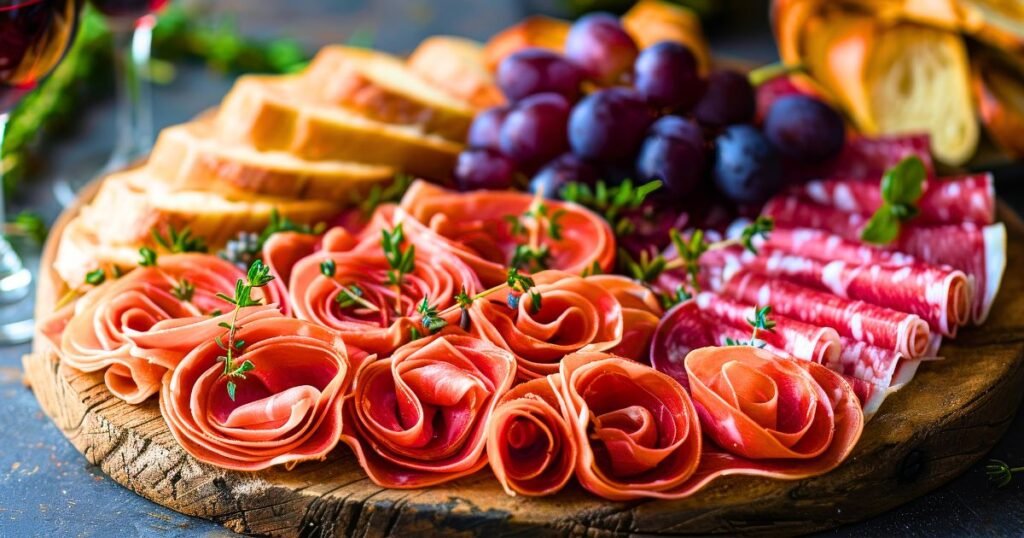
Folded ribbons, rolled slices, layered stacks, and deep red tones make meats visually stunning.
Pairing Potential
The right meats pair beautifully with:
- Creamy cheeses
- Sweet fruits
- Crunchy crackers
- Bold wines
A balanced board often includes:
- Mild meats
- Rich or fatty meats
- Spicy or smoky meats
- Premium centerpiece meats
Top 10 Best Meats for a Charcuterie Board
These meats are among the best choices for creating a board that feels premium, delicious, and well-rounded.
Prosciutto
Prosciutto is one of the most iconic meats used on charcuterie boards.
Key Features:
- Thinly sliced dry-cured ham
- Delicate texture
- Buttery mouthfeel
- Sweet and salty flavor
Why it’s perfect: Its softness contrasts wonderfully with crunchy crackers and crisp fruit.
Best Pairings:
- Melon
- Figs
- Grapes
- Brie
- Mozzarella
Pro Tip: Loosely fold prosciutto into ribbons instead of laying slices flat.
Salami (Varieties)
Salami is essential because it comes in many styles and flavors.
Popular types:
- Genoa salami – mild and garlicky
- Soppressata – bold and coarse texture
- Pepperoni – smoky and spicy
- Felino salami – delicate and balanced
Why include it: Salami adds structure, chewiness, and variety.
Best Pairings:
- Cheddar
- Gouda
- Pickles
- Mustard
- Crackers
Pro Tip: Include two salami styles for better variety.
Chorizo
A Spanish-style cured sausage known for its bold flavor.
Key Features:
- Paprika-rich flavor
- Slight heat
- Firm texture
- Deep red color
Best pairing:
- Manchego
- Sharp cheddar
- Rustic bread
- Olives
Why include it: Excellent for guests who enjoy stronger flavors.
Capicola (Coppa)
Capicola is a traditional Italian cured pork made from shoulder or neck cuts.
Taste Profile:
- Rich
- Slightly sweet
- Lightly seasoned
- Tender texture
Why it works: Adds a luxurious, melt-in-your-mouth element to your board.
Best Pairings:
- Provolone
- Olives
- Roasted peppers
Mortadella
Mortadella is a smooth Italian sausage often studded with pistachios.
Key Features:
- Soft texture
- Mild savory flavor
- Slight sweetness
Best for: Balancing stronger, saltier meats.
Pairings:
- Fresh bread
- Burrata
- Pistachios
- Honey
Pancetta
Pancetta is cured pork belly with a rich flavor.
Flavor Profile:
- Savory
- Fatty
- Mildly salty
Serving tip: Roll into small bundles for presentation.
Why include it: Adds richness and indulgence.
Speck
Speck combines curing and smoking techniques.
Why it stands out:
- Smoky aroma
- Complex flavor
- Slight sweetness
- Leaner than bacon
Perfect Pairings:
- Gruyère
- Apples
- Rye crackers
Bresaola
Bresaola is an air-dried beef that feels elegant and refined.
Key Features:
- Lean
- Tender
- Slightly earthy
- Delicate beef flavor
Why include it: Offers a lighter alternative to pork-based meats.
Best Pairings:
- Parmesan
- Arugula
- Lemon drizzle
Andouille
Andouille brings Cajun-style intensity.
Flavor Profile:
- Smoky
- Spicy
- Coarse texture
Ideal for: Southern-inspired boards or bold-flavor lovers.
Best Pairings:
- Pepper jack
- Mustard
- Pickled vegetables
Jamón Ibérico
One of the most premium charcuterie meats in the world.
Highlights:
- Nutty richness
- Silky texture
- Deep umami flavor
- Luxury presentation
Perfect for impressing guests.
Best Pairings:
- Manchego
- Marcona almonds
- Figs
- Sparkling wine
How to Choose the Best Meats for Your Board?
Selecting meats becomes easier when you follow a simple formula.
Balance Flavors
Aim for a mix of:
- Mild → mortadella
- Salty → prosciutto
- Spicy → chorizo
- Smoky → speck
- Rich → pancetta
This creates contrast and prevents monotony.
Vary Textures
Include:
- Soft meats
- Firm slices
- Chewy cured sausages
- Tender premium cuts
Texture keeps each bite interesting.
Limit Quantity, Maximize Variety
For a standard board:
- 3 meats = simple board
- 4 meats = ideal board
- 5 meats = premium board
Avoid overcrowding with too many similar meats.
Meat Pairing Guide
Smart pairings elevate the board significantly.
With Cheese
- Prosciutto → Brie, mozzarella
- Salami → Cheddar, Gouda
- Chorizo → Manchego
- Bresaola → Parmesan
- Mortadella → Burrata
With Fruits
- Prosciutto → Melon, figs
- Salami → Grapes
- Chorizo → Dried apricots
- Speck → Pear slices
- Jamón Ibérico → Dates
With Crackers & Bread
- Soft meats → Water crackers
- Strong meats → Rustic bread
- Rich meats → Seeded crackers
- Premium meats → Crostini
How Much Meat Per Person?
Serving amounts depend on the event type.
- Appetizer Portion: 2 – 3 oz (60 – 90g) per person
- Main Feature Board: 4 – 5 oz per person
- Party Rule: Always add extra because meats disappear quickly.
How to Arrange Meats on a Charcuterie Board?
Arrangement makes a huge visual difference.
Step-by-Step Layout
- Place bowls first (olives, dips, nuts)
- Add cheeses around the board
- Arrange meats creatively
- Fill gaps with fruit and crackers
- Add herbs for freshness
Meat Styling Ideas:
- Fold prosciutto into ribbons
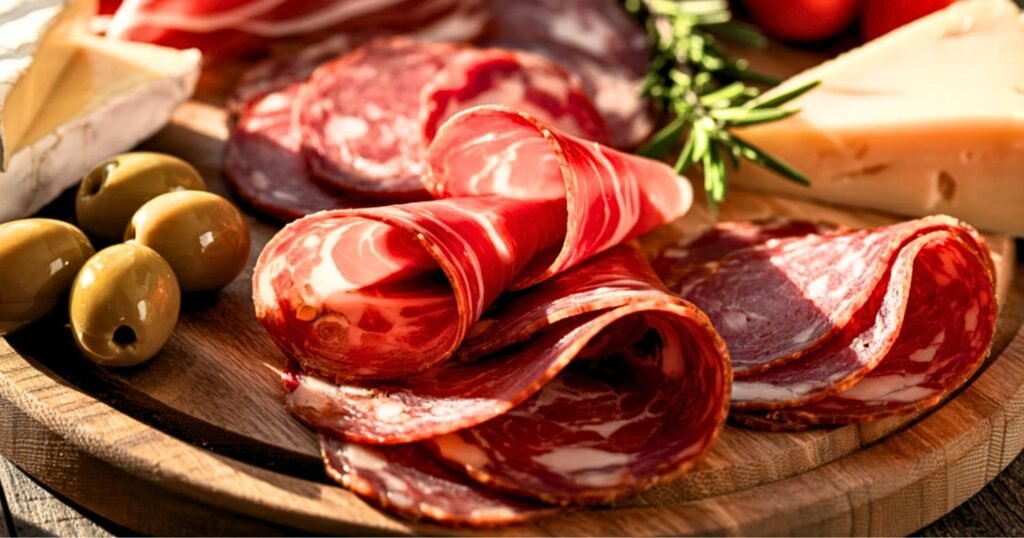
- Roll salami into cones
- Fan bresaola slices
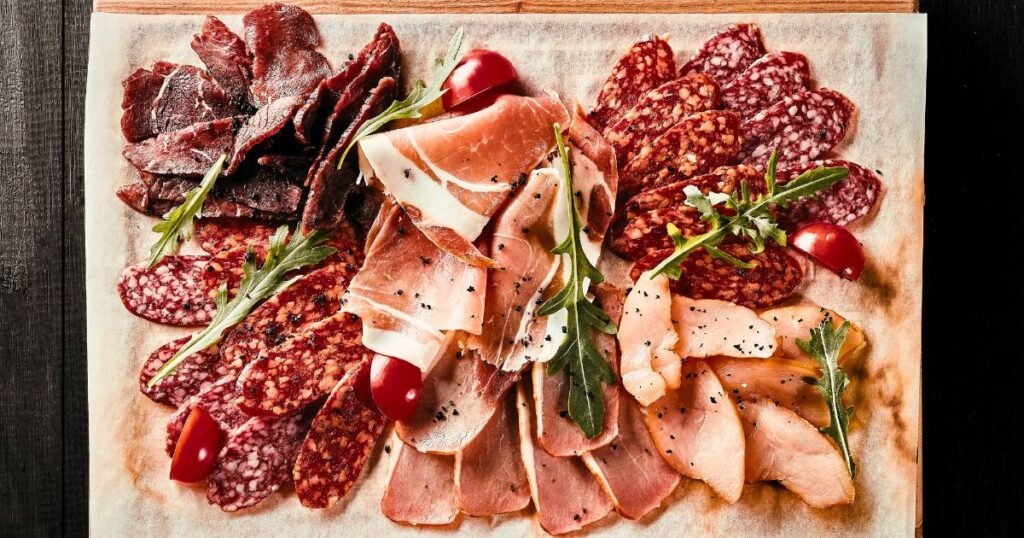
- Stack rounds in waves
Presentation Techniques (Pro Tips)
- Use contrasting colors
- Create layers and height
- Keep the layout organic, not too symmetrical
- Use wood or slate, boards
- Garnish with rosemary or thyme
A natural look feels more luxurious than a rigid layout.
Budget-Friendly vs Premium Options
You can create a great board on any budget.
Budget-Friendly Meats
- Pepperoni
- Genoa salami
- Smoked turkey slices
- Basic ham
Smart Tip: Combine affordable meats with attractive presentation.
Premium Picks
- Jamón Ibérico
- Bresaola
- Truffle salami
- Imported prosciutto
Smart Tip: Use one premium centerpiece meat and mix with affordable options.
Common Mistakes to Avoid
- Using only one type of meat
- Choosing meats with identical flavors
- Slicing too thick
- Overcrowding the board
- Forgetting the room temperature serving
- Ignoring visual arrangement
Charcuterie Board Ideas for Different Occasions
Romantic Board
- Prosciutto
- Bresaola
- Strawberries
- Brie
- Honey
Elegant and intimate.
Party Board
- Salami varieties
- Chorizo
- Crackers
- Mixed nuts
- Cheddar cubes
Great for sharing.
Luxury Board
- Truffle salami
- Aged cheeses
- Honeycomb
- Figs
Perfect for upscale entertaining.
Storage and Food Safety Tips
- Store meats airtight in the refrigerator
- Keep below 4°C / 40°F
- Consume within 3–5 days after opening
- Do not leave out over 2 hours
- Cover leftovers quickly
FAQ: Best Meats for a Charcuterie Board
Q. What are the top meats for a charcuterie board?
- Prosciutto, salami, chorizo, capicola, and bresaola are top choices.
Q. How many types of meat should a charcuterie board have?
- A balanced board usually includes 3 to 5 meat varieties.
Q. What is the most popular charcuterie meat?
- Prosciutto is one of the most popular choices because of its rich, delicate flavor.
Q. What meats pair best with cheese?
- Salami pairs with cheddar, prosciutto with brie, and chorizo with Manchego.
Q. Can I use deli meat for a charcuterie board?
- Yes, quality deli meats like turkey, ham, or roast beef can work well.
Q. How much meat do I need for 10 guests?
- Plan for about 20–30 ounces for appetizers or more for a full meal spread.
Q. Should charcuterie meat be served warm or cold?
- Serve meats at room temperature for the best taste and texture.
Q. Can I make a pork-free charcuterie board?
- Yes, use beef, turkey, chicken sausage, or other non-pork meats.
Conclusion
Building the perfect board starts with selecting the best meats for a charcuterie board. When you combine different textures, flavor intensities, and colors, you create a spread that feels both gourmet and inviting. Whether you prefer classic prosciutto, bold chorizo, versatile salami, or luxurious Jamón Ibérico, success comes down to three things:
- Variety
- Balance
- Presentation
Start experimenting with combinations, trust your taste, and soon you’ll create charcuterie boards like a true pro.