Best Cheese Knife for Soft Cheese: The Ultimate Guide to Clean, Perfect Cuts
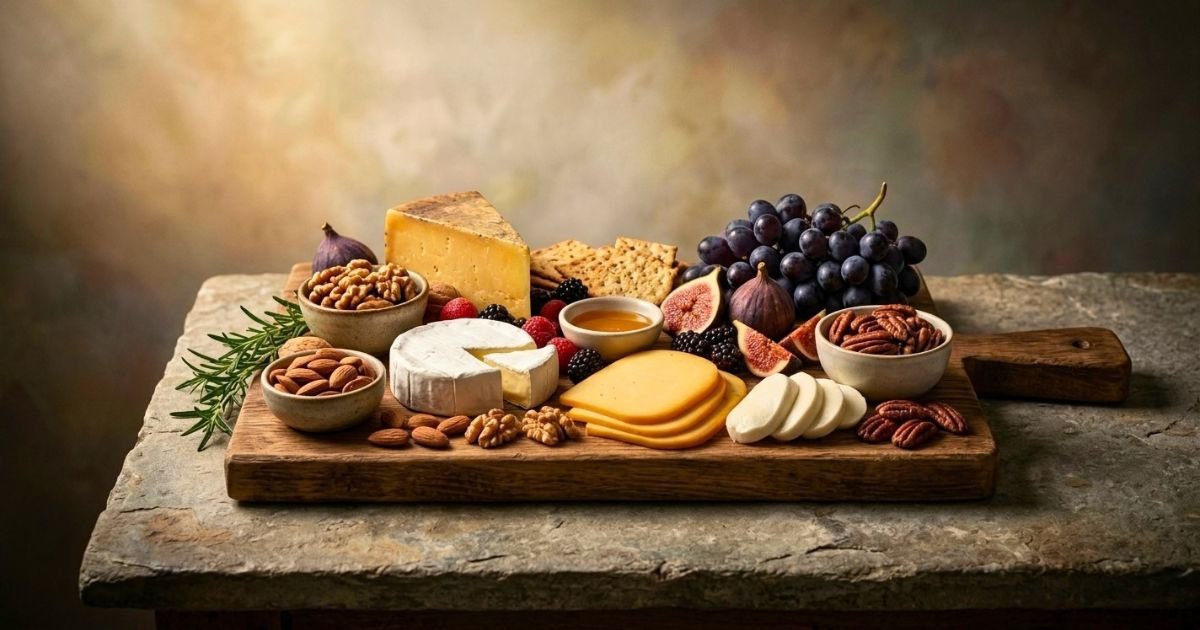
We’ve all been there. You’ve carefully arranged a beautiful cheese board, selected a perfectly ripened Brie, Camembert, or chèvre, and everything looks restaurant-worthy. Guests are impressed—until the first slice goes wrong. Instead of a clean wedge, you get a smeared, collapsing mess stuck to the blade. The presentation is ruined, and half the cheese is left clinging to the knife.
The truth is simple: Soft cheese isn’t difficult because of you—it’s difficult because of your tool.
Soft cheeses are naturally high in moisture and fat, which makes them creamy, spreadable, and incredibly sticky. A standard kitchen knife guide simply isn’t engineered for that texture. It’s designed for firm, structured foods, not delicate dairy. That’s exactly why a dedicated cheese knife for soft cheese exists.
In this expanded guide, we’ll break down how it works, why it matters, and how it transforms your cheese experience from messy to professional-level perfection.
Table of Contents
What Is a Soft Cheese Knife? (And Why Does It Look So Weird?)
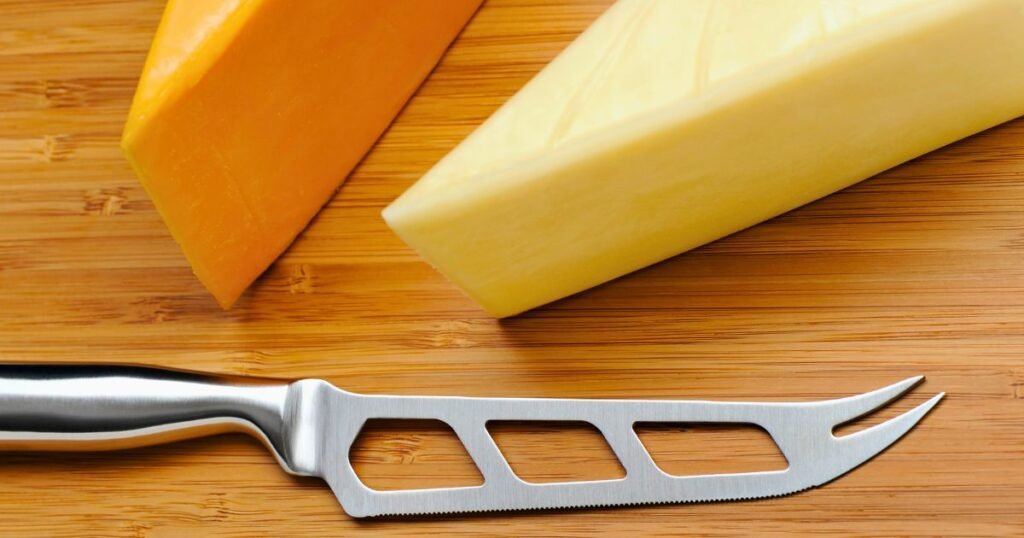
At first glance, a soft cheese knife looks odd. It’s often slender, sometimes offset, and almost always has a series of holes. At first glance, a soft cheese knife looks unusual—almost like a design experiment rather than a kitchen tool. Thin blades, cut-out holes, forked tips, and sometimes even open “frame-like” structures make it stand out from traditional knives.
But every feature has a functional purpose grounded in food science and physics. The core challenge with soft cheese is adhesion. Its creamy structure creates suction against flat metal surfaces. When pressure is applied, the cheese essentially “grips” the blade.
A soft cheese knife solves this problem through engineering:
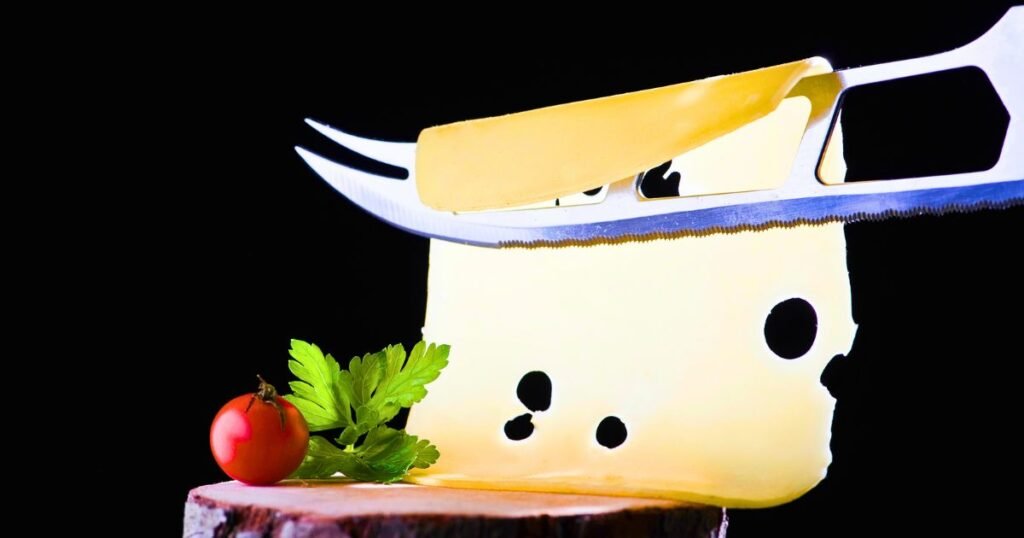
- Perforations (Holes in the Blade): These reduce the contact area and interrupt suction. By allowing air to pass through, they break the vacuum effect that causes sticking. Less surface contact = less drag = cleaner slicing.
- Ultra-Thin Blade Geometry: A thinner blade reduces resistance and prevents compression. Instead of pushing the cheese out of shape, it glides through with minimal structural disruption.
- Tapered Sharp Edge: Unlike serrated or thick chef’s knives, soft cheese knives rely on a fine edge that cleanly separates delicate textures without tearing the rind or interior.
- Forked Tip Design: Many models include a split tip, allowing you to lift and serve cheese immediately after cutting—no extra utensils needed. This reduces handling and preserves presentation.
In essence, the soft cheese knife isn’t just a cutter—it’s a separation tool designed to preserve texture integrity.
The Messy Truth: Why Your Regular Kitchen Knife Is the Wrong Tool
Using a standard chef’s knife on soft cheese almost always leads to disappointing results, even if the knife is razor sharp.
Here’s why it fails:
- Surface Tension Causes Sticking: A solid steel blade creates maximum contact. Soft cheese adheres to it like glue due to fat content and moisture.
- Compression Ruins Texture: To compensate for sticking, users often apply more pressure. This compresses the cheese, forcing cream out and collapsing its structure.
- Heat Transfer Makes It Worse: Metal blades warm slightly during use, softening cheese further and increasing stickiness mid-cut.
- Loss of Presentation Value: Instead of clean wedges, you get uneven chunks and smears—especially noticeable with Brie and Camembert, where presentation matters as much as taste.
Even worse, repeated cutting with the wrong tool causes waste. A significant amount of cheese stays stuck on the blade instead of reaching the plate.
A proper non-stick cheese knife eliminates these issues by reducing friction at the source.
How to Choose the Best Cheese Knife for Soft Cheese
Choosing the right knife depends on how you serve cheese, how often you host, and the variety of cheeses you enjoy.
When evaluating options, consider these factors:
- Blade design efficiency – Does it minimize sticking?
- Ergonomics – Is it comfortable for repeated slicing?
- Versatility – Can it handle multiple soft cheese types?
- Maintenance – Is it easy to clean and store?
Below are the most effective styles.
The Classic Perforated Knife
This is the most widely used soft cheese knife style. It features a narrow blade with multiple cut-outs that reduce contact with cheese. It is ideal for everyday cheese boards and works well with Brie, Camembert, Taleggio, and semi-soft varieties. What makes it especially useful is its balance between precision and versatility. It’s sharp enough for clean cuts but still forgiving for casual use. Many home entertainers prefer this style because it adapts well to mixed cheese platters.
The “Skeleton” or Open-Blade Knife
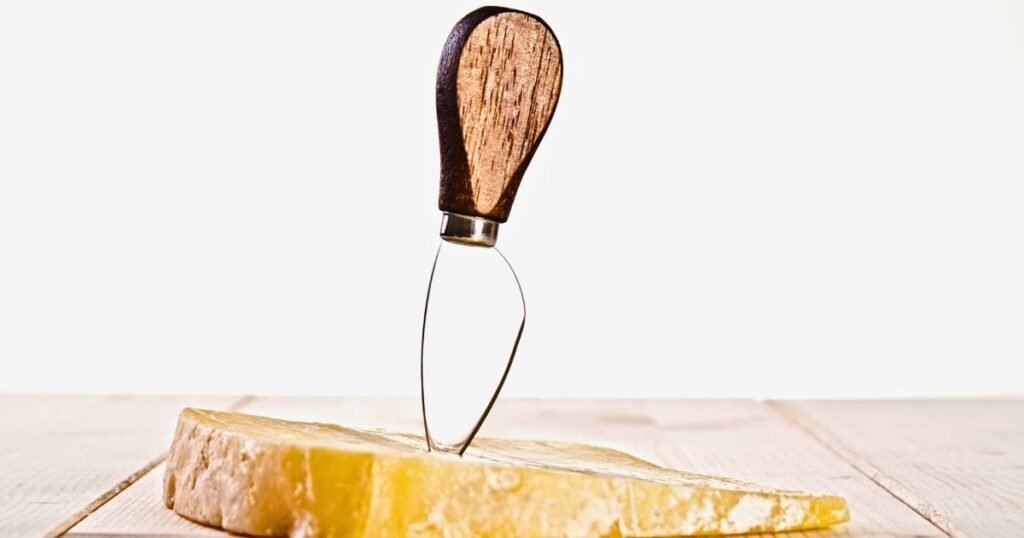
This is the most advanced anti-stick design. Instead of holes, it removes most of the blade structure entirely, leaving a minimal frame. This drastically reduces surface area and friction. It performs exceptionally well with extremely soft, high-moisture cheeses such as very ripe Brie or triple-cream varieties. The trade-off is reduced durability and slightly less control for beginners, but the cutting performance is unmatched for sticky cheeses.
The Soft Cheese Spreader
Unlike cutting knives, this tool is designed for spreading rather than slicing. It features a broad, flat, and often rounded edge that is intentionally dull. This allows it to glide through extremely soft cheeses without tearing.
It’s perfect for:
- Fresh goat cheese
- Cream cheese
- Cheese dips and spreads
- Herb-infused soft cheeses
On a cheese board, it plays a supporting role but is essential for variety and texture contrast.
The Offset Blade Knife
This design is a game-changer for presentation and ergonomics. The handle sits higher than the blade, allowing your hand to remain above the cheeseboard while cutting. This prevents accidental contact and improves leverage. It is especially useful for cutting full wheels of Brie or Camembert cleanly from top to bottom in one motion. For hosts who prioritize presentation, this is often considered the most practical and professional option.
Materials and Handles
The performance of a cheese knife also depends heavily on the materials.
Blade Materials:
- High-carbon stainless steel: The most reliable choice. Sharp, durable, and corrosion-resistant.
- Ceramic blades: Extremely non-stick and sharp, but fragile under pressure.
- Forged steel: Offers better weight distribution and long-term durability.
Handle Materials:
- Wood (walnut, acacia, olive): Elegant and warm aesthetic, ideal for rustic boards.
- Stainless steel: Modern, sleek, and hygienic.
- Composite/plastic: Lightweight, durable, and often dishwasher-safe.
Comfort matters more than most people realize. A well-balanced handle reduces wrist fatigue during repeated slicing.
How to Cut Soft Cheese Like a Pro: A Step-by-Step Guide
Using your new knife correctly is just as important as having it. Here’s how to cut soft cheese for a flawless presentation.
Step 1: Temperature is Everything
- Soft cheese should never be served cold.
- Refrigeration tightens its structure and dulls flavor.
- Let cheese rest at room temperature for 30–60 minutes before slicing.
This allows fats to soften and aromas to fully develop, significantly improving taste and texture.
Step 2: The Hot Water Trick
Professional cheesemongers use this technique regularly.
- Dip the blade into hot water
- Wipe it completely dry
- Slice immediately
The heated blade reduces friction dramatically, allowing it to glide through even the stickiest cheese with minimal resistance.
Repeat between cuts for best results.
Step 3: Use the Right Slicing Motion
- Avoid sawing motions.
- Instead, use a single, confident downward press.
- Think of it as “press and release,” not “cut and drag.”
This preserves structure and prevents the cheese from tearing or collapsing.
Step 4: Cut by Shape
Different cheese forms require different cutting logic:
- Wheels (Brie, Camembert): Cut like a cake into even wedges, ensuring each slice includes both rind and center.
- Logs (Goat Cheese): Slice into uniform rounds using a clean, straight press.
- Wedges (Blue Cheese): Cut from the tip outward so every portion has balanced flavor intensity.
Proper cutting ensures consistent taste in every bite.
Keeping Your Knife in Top Condition: Cheese Knife Maintenance
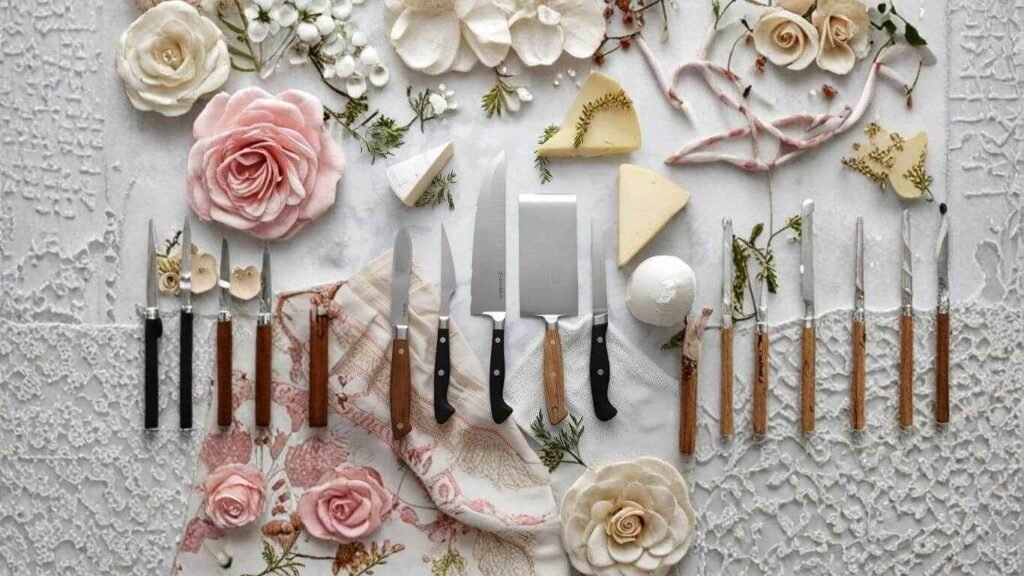
A good cheese knife can last decades if maintained properly.
Key care practices:
- Always hand-wash immediately after use
- Avoid dishwashers to prevent dulling and handle damage
- Dry thoroughly to prevent corrosion
- Store in a sheath, block, or magnetic strip
Cheese residues are fatty and sticky, so delaying cleaning makes removal harder and affects blade performance over time.
Expert Tips for Perfect Soft Cheese Presentation
Small details elevate a cheese board from good to exceptional.
- Use separate knives for different cheese types: This prevents flavor contamination, especially between blue cheeses and mild Brie.
- Pre-slice the first piece: Guests often hesitate to cut the first slice. Doing it yourself encourages interaction and reduces hesitation.
- Keep a cleaning cloth nearby: Wiping between cuts ensures every slice looks clean and professional.
- Mix textures intentionally: Pair soft cheeses with nuts, fruits, and crackers for contrast in both flavor and structure.
Presentation is as important as taste in cheese service.
Frequently Asked Questions: Best Cheese Knife for Soft Cheese
Q. Why do cheese knives have holes?
- The holes reduce surface contact, preventing soft cheese from sticking and ensuring cleaner slices.
Q. Can I use a regular kitchen knife for soft cheese?
- Yes, but it often causes sticking, smearing, and loss of presentation quality.
Q. What makes soft cheese so difficult to cut?
- Its high moisture and fat content make it sticky and prone to collapsing under pressure.
Q. Do I really need a special cheese knife?
- If you serve soft cheeses often, a dedicated knife greatly improves results and presentation.
Q. What is the best knife for Brie?
- An offset perforated cheese knife works best for clean, controlled wedges.
Q. Should soft cheese be cold when cutting?
- No, it should be at room temperature for smoother cutting and better flavor.
Q. How long should cheese sit out before serving?
- Around 30–60 minutes is ideal for soft cheeses.
Q. Why does cheese stick to my knife?
- Sticky texture and flat blade surfaces create suction and friction during cutting.
Q. Can I wash cheese knives in a dishwasher?
- It’s not recommended as it can dull the blade and damage handles.
Q. What is the hot water trick for cheese knives?
- Dipping the blade in hot water reduces sticking and helps it glide through cheese.
Q. Can one cheese knife work for all cheeses?
- Not ideally; soft, hard, and blue cheeses perform best with different knife types.
Q. How do I keep cheese from ruining the knife?
- Clean it immediately after use and avoid letting residue dry on the blade.
The Right Tool for a Perfect Experience
A cheese knife for soft cheese isn’t a snobby, single-use gadget. It’s a beautifully engineered tool designed to solve a very specific, very sticky problem.
Using the right knife transforms the act of serving cheese from a messy chore into an elegant, satisfying ritual. It respects the hard work of the cheesemaker by presenting their product in the best possible light. It ensures your guests get a perfect, clean-cut piece every time.
So, the next time you’re building a beautiful cheese board, don’t let your tools let you down. Ditch the frustration, embrace the right knife, and get ready to serve the perfect slice, every single time.
Conclusion
A soft cheese board is one of the simplest yet most impressive ways to elevate any gathering, but its success often comes down to a detail that is easy to overlook: the right knife. As we’ve explored, soft cheeses like Brie, Camembert, and chèvre are structurally delicate and highly reactive to pressure, heat, and friction. A standard kitchen knife may seem sufficient at first, but it consistently fails to respect the texture and integrity of these cheeses, leading to smearing, waste, and poor presentation.
A dedicated cheese knife for soft cheese solves this problem through thoughtful design—minimizing surface contact, reducing drag, and preserving the natural structure of the cheese. Whether it’s a perforated blade, an open-frame design, or an offset handle, each variation is engineered to make slicing effortless and precise.
Beyond functionality, the right knife also enhances the overall experience. It turns serving cheese into a smooth, intentional process rather than a messy struggle. It improves presentation, reduces waste, and ensures that every guest enjoys a clean, perfectly formed bite. In the end, investing in the right tool isn’t about complexity—it’s about refinement. When paired with proper technique and thoughtful presentation, a simple cheese board transforms into something memorable, elegant, and genuinely satisfying.