Essential Tips for Serving Brie on a Charcuterie Board Like a Pro
Brie has earned its reputation as one of the most luxurious and versatile cheeses in the world. Often referred to as the “Queen of Cheeses,” it carries centuries of French cheesemaking tradition, yet remains one of the easiest gourmet ingredients to incorporate into modern entertaining. Its signature bloomy rind, buttery interior, and melt-in-the-mouth texture make it a natural centerpiece for any charcuterie board.
But serving Brie well is more than just placing a wheel of cheese on a wooden board. To truly elevate it, you need to understand its texture behavior, temperature sensitivity, pairing chemistry, and presentation techniques. When handled properly, Brie transforms from a simple cheese into a full sensory experience—rich, aromatic, visually elegant, and deeply satisfying.
This guide expands far beyond basic serving ideas. It explores the science behind Brie, advanced styling techniques, flavor layering strategies, temperature control methods, and professional-level presentation systems used in catering and gourmet food styling.
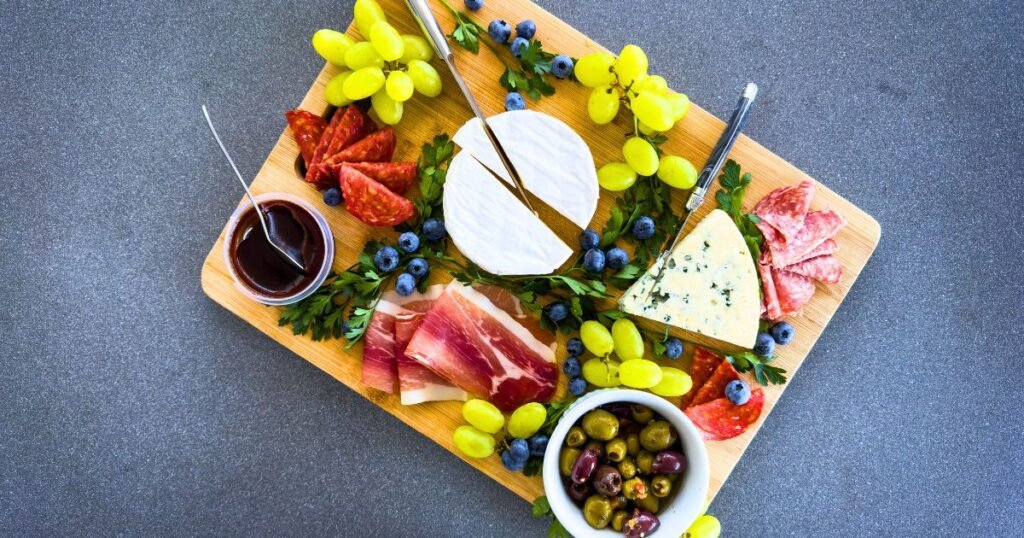
By the end, you’ll know exactly how to design a Brie-focused charcuterie board that looks like it came from a high-end restaurant or professional cheese counter.
Table of Contents
Why Brie Is the Perfect Charcuterie Board Cheese?
Brie is not just another cheese option—it is a structural and sensory anchor for any well-balanced charcuterie board. Its ability to pair with both sweet and savory elements makes it uniquely adaptable, while its soft texture provides visual and tactile contrast against harder cheeses and crunchy accompaniments.
Unlike many aged cheeses that dominate the palate, Brie acts as a “bridge cheese,” smoothing transitions between flavors on the board. This is one of the key reasons professional stylists often place Brie at the center of curated grazing tables.
Brie’s Flavor, Texture, and Pairing Power
Brie’s complexity comes from its dual personality. On the outside, the edible bloomy rind adds earthy, mushroom-like undertones. Inside, the paste is rich, creamy, and slightly sweet, often described as buttery or nutty depending on ripeness.
As Brie matures:
- Younger Brie is firmer, milder, and slightly chalky in texture
- Medium-aged Brie becomes creamier and more aromatic
- Fully ripened Brie becomes soft, almost runny, at room temperature
This evolution makes Brie dynamic, meaning it can change the entire feel of your charcuterie board depending on when it is served.
Why Brie Works So Well on Boards?
Brie has several qualities that make it ideal for entertaining:
- Neutral enough to pair with almost anything
- Visually appealing as a soft white centerpiece
- Easy to portion and serve
- Comfortable for both casual and upscale events
- Works well in both cold and warm preparations
From a food design perspective, Brie also creates “visual softness,” balancing sharper geometric elements like crackers, sliced meats, and cubed cheeses.
How to Prepare Brie for Your Charcuterie Board?
Preparation is the most overlooked part of serving Brie. Most hosts simply unwrap it and place it on the board, but professionals treat it as a temperature-sensitive ingredient that requires planning.
The way Brie is prepared affects:
- Flavor intensity
- Spreadability
- Aroma release
- Structural stability
- Guest experience
Chilled, Room Temperature, or Baked?
Each serving temperature creates a completely different experience, and choosing the right one depends on your event style.
Chilled Brie (Controlled Structure)
Cold Brie is firm and easy to slice cleanly. While it slightly dulls the flavor.
It is ideal for:
- Pre-cutting clean wedges
- Hot outdoor environments
- Long grazing tables where structure matters
- Transporting prepared boards
However, chilled Brie should never be served as-is for tasting. It is more of a preparation stage than a final serving method.
Room Temperature Brie (Classic Experience)
This is the gold standard for charcuterie boards.
When Brie reaches room temperature:
- The interior softens into a creamy consistency
- Aromas become more pronounced
- Flavor becomes richer and more buttery
- Texture becomes spreadable
For best results, remove Brie from refrigeration 30–60 minutes before serving. In warmer climates, reduce this time to avoid over-softening.
Baked Brie (Luxury Centerpiece)
Baked Brie transforms the cheese into a molten, dip-style centerpiece. It is often the highlight of festive boards.
To elevate baked Brie:
- Add honey, fig jam, or apricot preserves
- Sprinkle toasted nuts for texture
- Wrap in puff pastry for extra indulgence
- Add herbs like rosemary for aroma
Baking creates a theatrical presentation that encourages sharing and interaction.
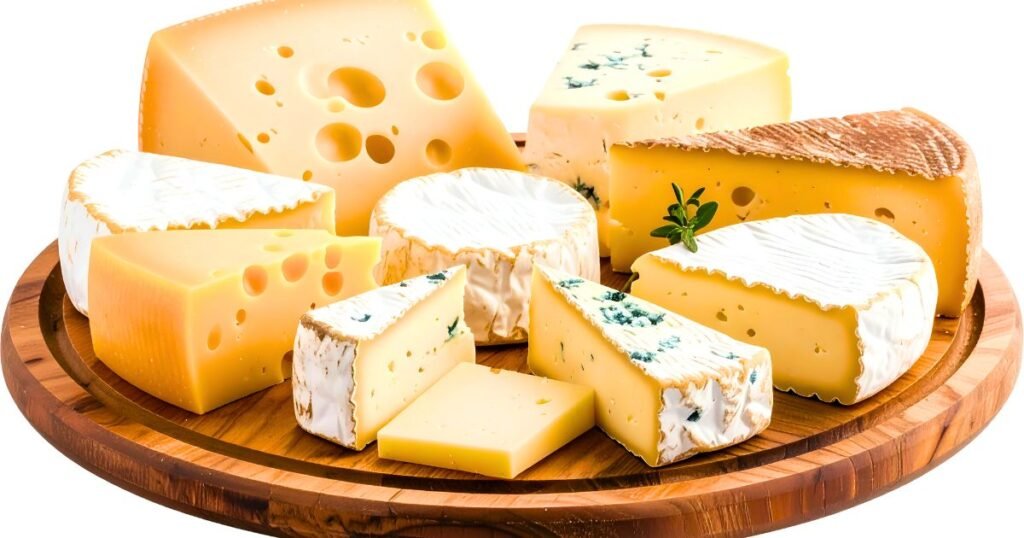
How to Cut and Arrange Brie for Maximum Appeal?
Presentation is where Brie truly becomes a visual centerpiece. Proper cutting and placement dramatically affect both usability and aesthetics.
Cutting Techniques for Easy Serving
There are several professional methods used depending on the type of event.
The Classic Wedge Method
This is the most widely used approach.
Steps:
- Slice the Brie like a cake into equal wedges
- Keep the rind intact to maintain structure
- Fan pieces outward in a circular pattern
This method creates instant elegance and ensures easy serving.
The Vertical Slice Method
Instead of wedges, cut Brie into narrow rectangular slices.
This is useful when:
- You want uniform portions
- The board has limited space
- You are pairing with structured crackers
The “Rustic Break” Method
For casual gatherings, allow Brie to be broken naturally.
This creates:
- A relaxed, artisanal feel
- Encourages guest interaction
- A more organic presentation style
Placement and Board Styling Tips
Brie should never be placed randomly—it should act as a visual anchor.
Create a Visual Centerpiece
Position Brie:
- At the center of symmetry
- Slightly off-center for modern styling
- On a raised board for dramatic effect
Build Around Texture Flow
Arrange complementary items in layers:
- Soft (Brie)
- Crunchy (crackers)
- Juicy (fruit)
- Savory (meats)
This creates a balanced tasting experience.
Use Height and Depth
Professional boards often include:
- Small bowls
- Stacked crackers
- Folded meats
- Elevated cheese blocks
This prevents a flat, boring presentation.
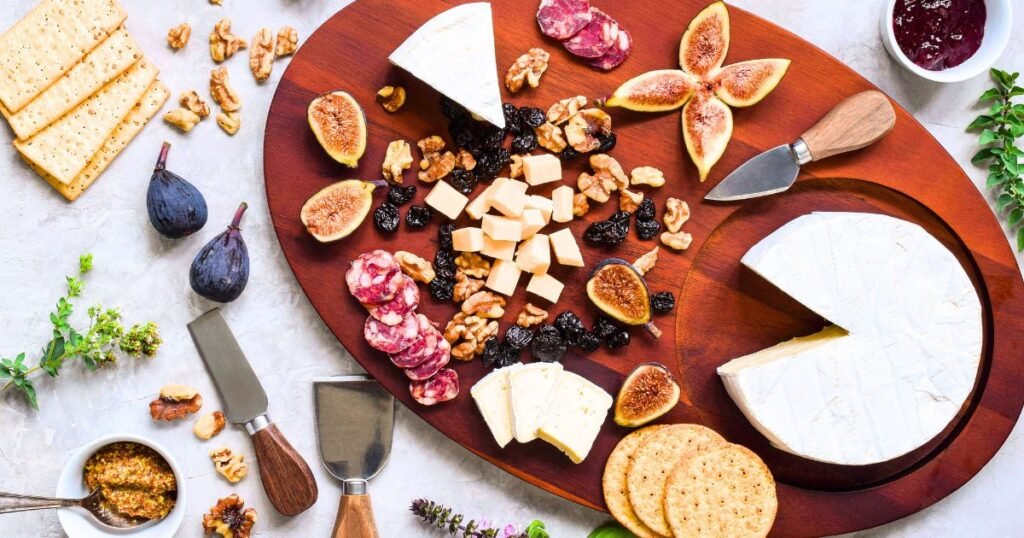
The Best Pairings and Accompaniments for Brie
Pairing Brie is both an art and a science. The goal is contrast—sweet with salty, soft with crunchy, creamy with acidic.
Fruits (Fresh and Dried)
Fruit enhances Brie by cutting through its richness.
Fresh Options
- Strawberries for brightness
- Grapes for juiciness
- Apples for crunch
- Pears for sweetness
- Figs for luxury appeal
Dried Options
- Apricots for tangy sweetness
- Cranberries for acidity
- Dates for caramel-like depth
Bread, Crackers, and Flatbreads
These act as delivery systems for Brie.
Best choices include:
- Toasted baguette slices
- Sourdough crisps
- Rosemary crackers
- Seeded flatbreads
- Water crackers for neutrality
Jams, Honey, and Savory Spreads
These add complexity and depth.
Sweet combinations:
- Fig jam + Brie = classic gourmet pairing
- Honey + walnuts = rich and aromatic
- Apricot preserves = bright and fruity
Savory options:
- Olive tapenade for saltiness
- Mustard for sharpness
- Red pepper jelly for heat
Meats, Nuts, and Garnishes
Brie pairs beautifully with cured meats:
- Prosciutto
- Salami
- Soppressata
Nuts add crunch:
- Candied pecans
- Almonds
- Walnuts
Garnishes complete the aesthetic:
- Rosemary sprigs
- Thyme
- Edible flowers
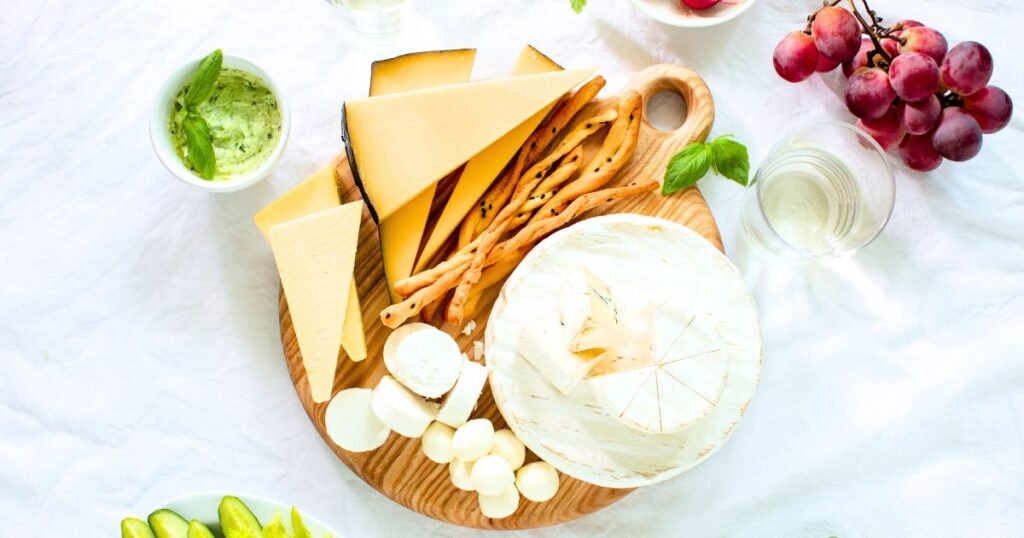
Pro Tips for Serving Brie on a Charcuterie Board
Professional presentation goes beyond ingredients—it’s about experience design.
Always Include a Dedicated Knife
Brie is soft and sticky when warm.
So a proper cheese knife:
- Prevents mess
- Maintains presentation
- Improves hygiene
- Helps portion control
Pre-Cut for Larger Events
For weddings or parties:
- Pre-slice half the Brie
- Leave the remaining portion whole
- This balances convenience and aesthetics
Balance Sweet and Savory
A well-designed board should always include:
- Sweet elements (fruit, honey)
- Savory elements (meats, olives)
- Neutral elements (bread, crackers)
Play with Visual Contrast
Use contrast in:
- Color (white Brie vs dark fruits)
- Shape (round cheese vs square crackers)
- Texture (soft cheese vs crunchy nuts)
Maintain Temperature Awareness: Brie should never become overly warm or overly cold. The ideal serving temperature is key to preserving texture and flavor integrity.
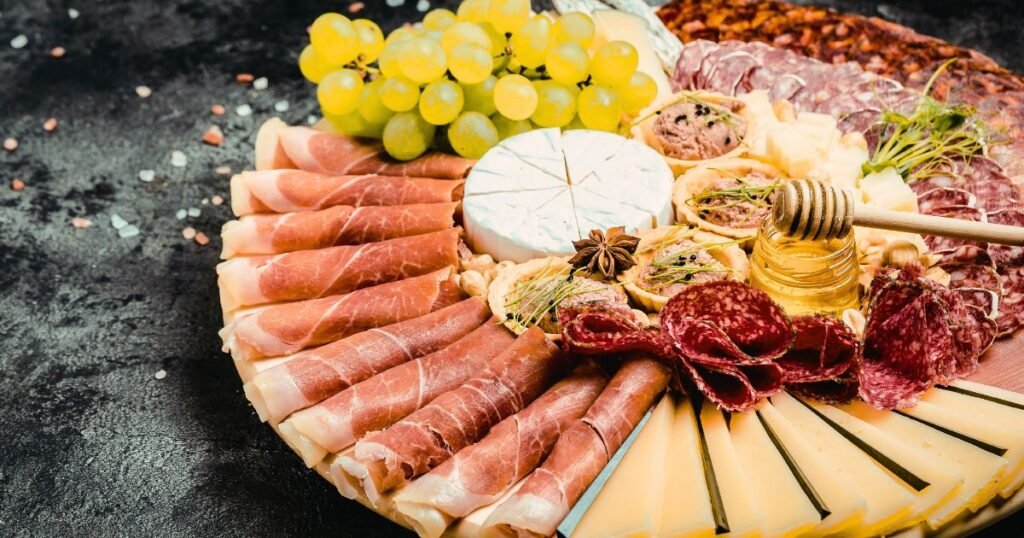
Frequently Asked Questions: Serving Brie on a Charcuterie Board
Q. Is the rind on Brie edible?
- Yes, Brie rind is completely edible and adds a mild, earthy flavor that enhances the cheese experience.
Q. Should Brie be served cold or warm?
- Brie is best served at room temperature for a creamy texture and full flavor.
Q. How long should Brie sit out before serving?
- Let Brie rest for 30–60 minutes after removing it from the fridge before serving.
Q. Can Brie be baked for a charcuterie board?
- Yes, baked Brie is popular and creates a warm, gooey centerpiece perfect for dipping.
Q. How much Brie should I serve per person?
- Plan about 2–3 ounces per person when part of a larger charcuterie board.
Q. What fruits go best with Brie?
- Apples, pears, grapes, figs, and berries pair beautifully with Brie’s creamy texture.
Q. What crackers are best for Brie?
- Light, neutral crackers like water crackers, baguette slices, or seeded crisps work best.
Q. Can Brie be served with meat?
- Yes, Brie pairs well with prosciutto, salami, and other cured meats for a savory balance.
Q. Do I need a special knife for Brie?
- A soft cheese knife or spreader is recommended for easy serving and clean cuts.
Q. Can Brie be pre-cut before serving?
- Yes, pre-cutting Brie into wedges makes serving easier and improves presentation.
Q. What wine pairs best with Brie?
- Brie pairs well with Champagne, Chardonnay, Pinot Noir, and light white wines.
Q. Can Brie stay out during a party?
- Yes, but it should not sit out for more than 2 hours for safety and quality.
Q. What jam goes best with Brie?
- Fig jam is a classic choice, but raspberry, apricot, and honey also work well.
Q. Can Brie be part of a mixed cheese board?
- Yes, Brie works perfectly alongside hard cheeses and blue cheeses for variety.
Q. How do I stop Brie from becoming too runny?
- Avoid overheating and keep it at room temperature only until soft, not overly warm.
Conclusion
Serving Brie on a charcuterie board is more than a culinary task—it is a creative process that blends flavor design, visual storytelling, and hospitality. When properly handled, Brie becomes the emotional centerpiece of your board, inviting guests to gather, taste, and connect.
By mastering temperature control, thoughtful pairings, elegant slicing, and strategic presentation, you transform Brie from a simple cheese into a gourmet experience. Whether baked, sliced, or served at room temperature, Brie always delivers sophistication, comfort, and crowd appeal.
A well-designed Brie charcuterie board is not just food—it is an experience your guests will remember long after the event ends.