What Are 8 Things to Avoid on a Charcuterie Board Like a Pro Host?
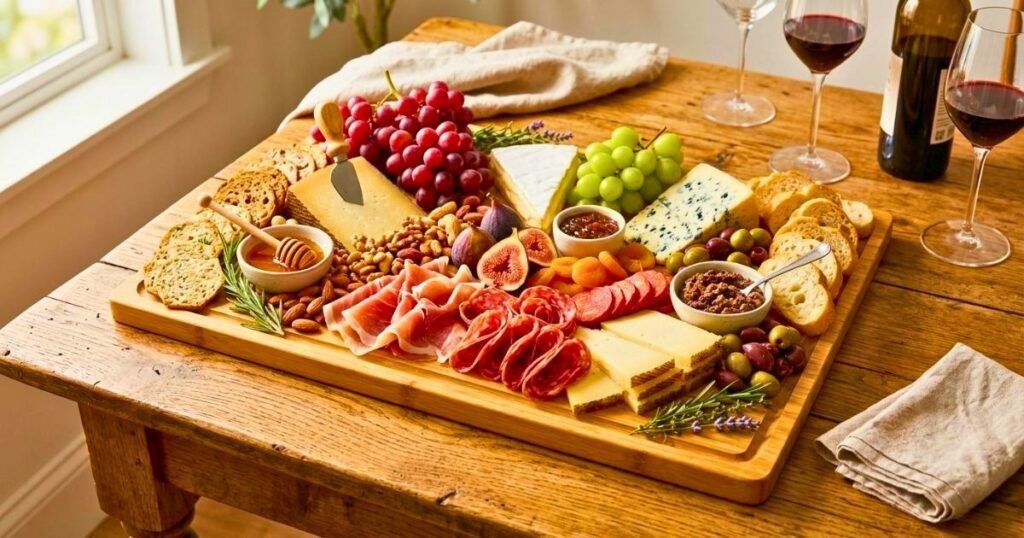
A charcuterie board has evolved far beyond its traditional roots of cured meats and simple accompaniments. Today, it is a centerpiece of modern entertaining—an edible artwork that blends color, texture, aroma, and flavor into a shared social experience. Whether you’re hosting a casual evening with friends or designing a luxurious grazing table for a special occasion, your board reflects both your creativity and your understanding of flavor balance.
However, what separates an average board from a truly exceptional one is not only what you include, but what you deliberately avoid. Many home entertainers unintentionally sabotage their boards by adding too much moisture, overpowering flavors, low-quality ingredients, or chaotic arrangements that overwhelm guests.
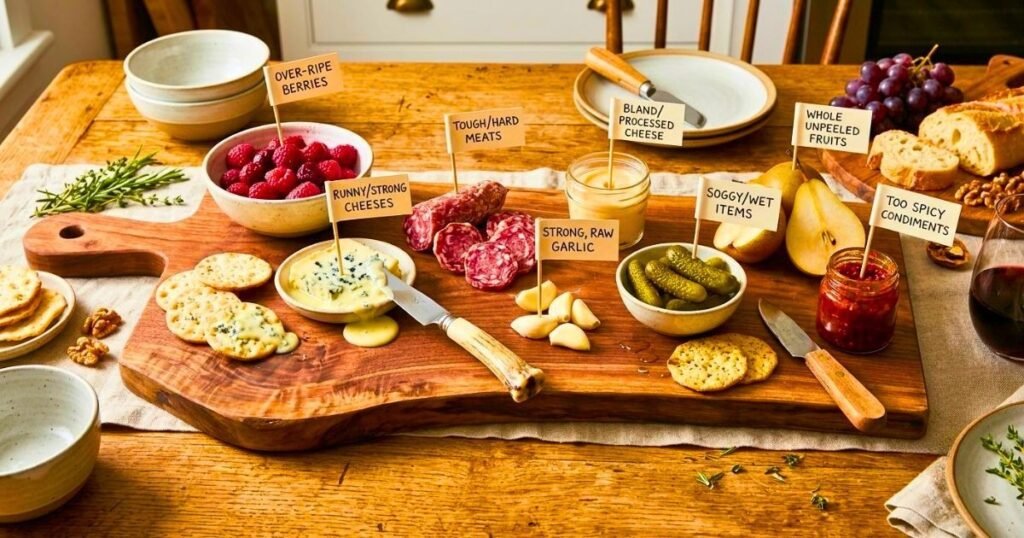
This guide breaks down the eight critical mistakes to avoid on a charcuterie board, along with expert-level solutions, design principles, food safety insights, and presentation strategies to help you create a board that looks stunning and tastes unforgettable.
Table of Contents
The Amazing 8 Steps to Avoid on a Charcuterie Board You Need to Know
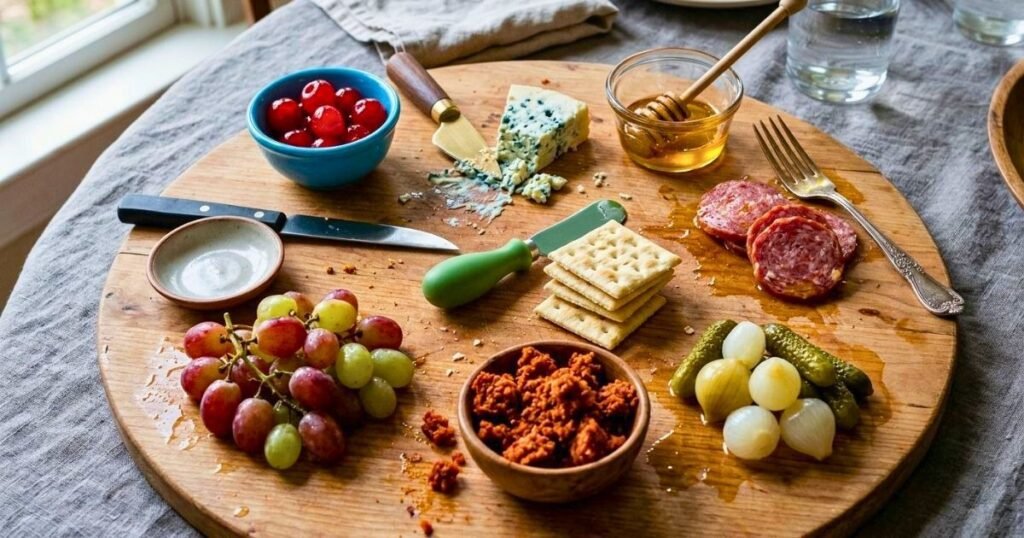
1. Avoid Excess Moisture to Prevent a Soggy Mess
Moisture is one of the most overlooked enemies of a well-designed charcuterie board. While juicy fruits, marinated olives, and soft cheeses add variety and richness, they can also quickly ruin texture and presentation if not properly controlled.
The Problem:
When wet ingredients are placed directly on a wooden or flat serving board, liquids begin to spread and mix.
Over time, this leads to:
- Soggy crackers and bread
- Slippery cured meats
- Blended flavors that lose clarity
- Visually unappealing puddles
- A messy, unstable serving surface
Items like brined olives, fresh mozzarella, pickled vegetables, and overly juicy fruits (such as watermelon or overripe grapes) are the main contributors.
The Solution:
Managing moisture is about containment and preparation.
Best Practices:
- Use Small Containers: Place wet items in ramekins, mini bowls, or glass jars
- Pre-Drain Ingredients: Let olives, pickles, and mozzarella drain for several minutes before serving
- Dry Fresh Produce: Pat grapes, berries, and cut fruits with paper towels
- Choose Lower-Moisture Alternatives: Replace watery tomatoes with sun-dried versions or roasted vegetables
- Create Moisture Zones: Group wet items together in one section of the board
Pro Tip: Line bowls with parchment paper or small lettuce leaves for added stability and visual appeal.
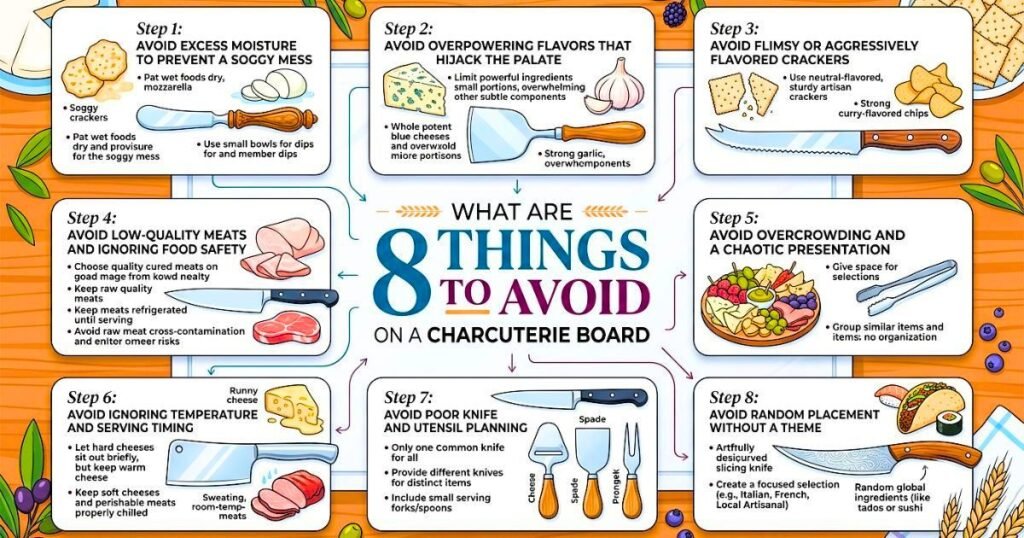
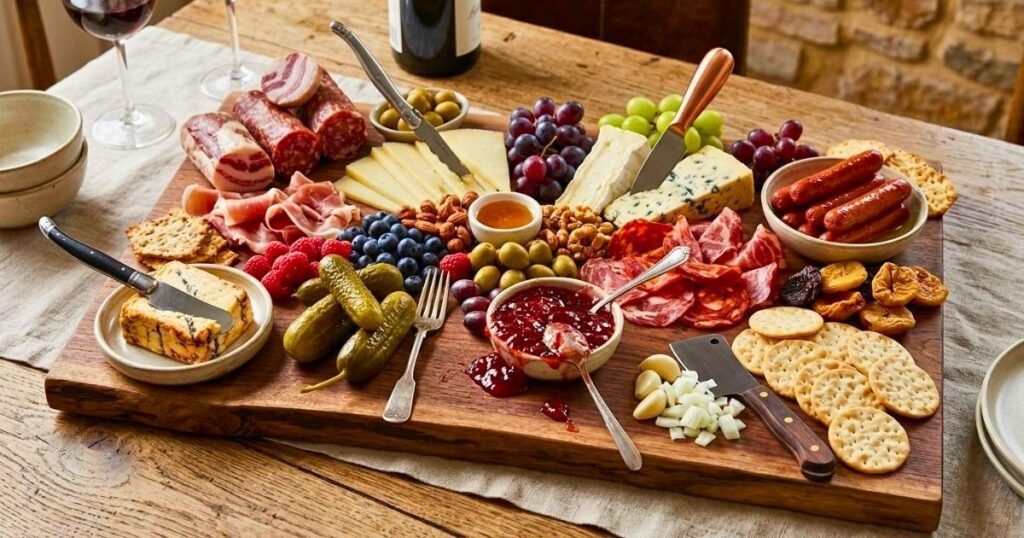
2. Avoid Overpowering Flavors That Hijack the Palate
A great charcuterie board is a carefully balanced composition of flavors. When a single ingredient dominates, it disrupts harmony and prevents guests from fully enjoying the variety.
The Problem:
Overpowering ingredients can completely mask subtle flavors.
For example:
- Strong blue cheeses overwhelm mild brie
- Excessively spicy meats dominate delicate prosciutto
- Garlic-heavy spreads overpower crackers and fruit
- Extremely sweet jams flatten the savory contrast
Instead of a layered tasting experience, guests end up with a one-note flavor profile.
The Solution:
Think of your board as a “flavor orchestra,” where every element plays a role.
Smart Balancing Techniques:
- Offer mild, medium, and strong cheeses for contrast
- Separate intense flavors into dedicated sections
- Use strong condiments sparingly as accents
- Pair bold items with neutral bases like plain crackers or bread
- Encourage tasting progression from mild → strong
Flavor Balance Table:
| Flavor Intensity | Examples | Best Pairing Strategy |
| Mild | Brie, mozzarella, ricotta | Fresh fruit, honey |
| Medium | Gouda, Havarti | Nuts, seeded crackers |
| Strong | Blue cheese, aged cheddar | Neutral bread, sweet jams |
| Very Bold | Spicy salami, garlic spreads | Isolated placement |
3. Avoid Flimsy or Aggressively Flavored Crackers
Crackers and bread are not just fillers—they are structural support for every bite. Choosing the wrong base can ruin texture balance and overwhelm flavors.
The Problem:
Common mistakes include:
- Crackers that crumble under toppings
- Over-flavored crackers (cheese, herb, or spicy varieties)
- Stale or overly dry bread
- Too-soft bread that collapses under weight
These issues make eating messy and distract from the premium ingredients.
The Solution:
Select carriers that support—not compete with—your cheeses and meats.
Ideal Choices:
- Water crackers for neutral pairing
- Whole-grain or seeded crackers for texture
- Toasted baguette slices (crostini) for structure
- Artisan breadsticks for visual variety
Pro Tips:
- Always include at least 2–3 cracker types
- Keep flavors neutral or lightly salted
- Toast the bread lightly for better stability
- Avoid heavily seasoned crackers unless intentionally paired
4. Avoid Low-Quality Meats and Ignoring Food Safety
Charcuterie boards are built around cured meats, so quality directly impacts both taste and safety. Poor-quality meats can diminish the entire experience.
The Problem:
Low-quality deli meats often:
- Contains excessive preservatives and fillers
- Lacks authentic curing flavor
- Release excess grease on the board
- Have inconsistent texture and appearance
Additionally, improper handling can lead to food safety risks such as bacterial growth or cross-contamination.
The Solution:
Focus on quality sourcing and proper handling.
Best Practices:
- Buy from trusted butchers or specialty delis
- Choose traditional cured meats like prosciutto, salami, chorizo, and bresaola
- Avoid overly processed sandwich meats
- Check ingredient labels for simplicity (meat, salt, spices)
- Keep meats refrigerated until serving time
Food Safety Guidelines Table:
| Factor | Recommendation |
| Storage temperature | Keep below 5°C before serving |
| Exposure time | Max 2 hours at room temperature |
| Handling | Use clean utensils only |
| Cross-contamination | Separate raw and cured foods |
| Serving | Use separate utensils per meat type |
Pro Tip: Fold meats into rosettes or ribbons instead of stacking flat slices for better airflow and presentation.
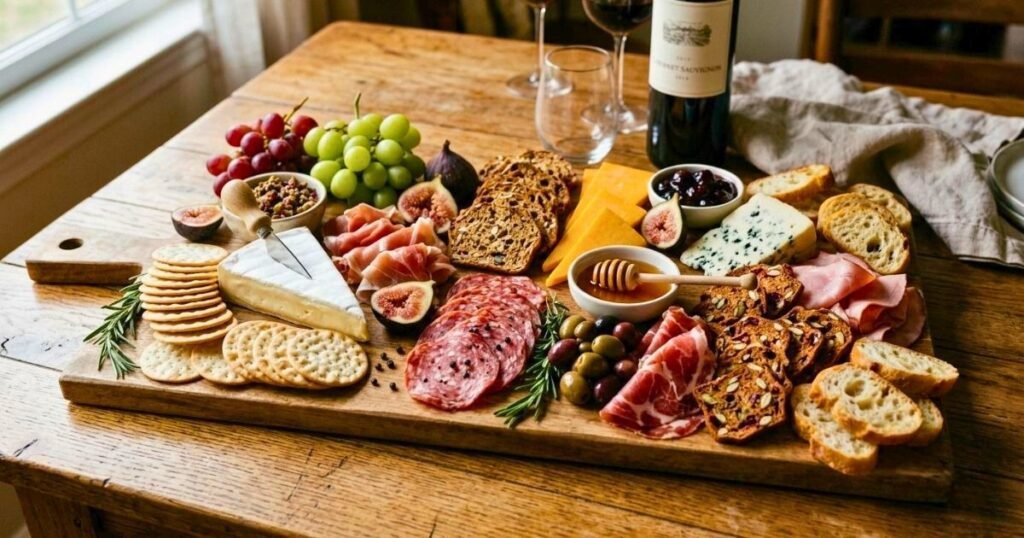
5. Avoid Overcrowding and a Chaotic Presentation
Visual presentation is just as important as flavor. Overcrowding is one of the most common mistakes in modern charcuterie design.
The Problem:
An overcrowded board leads to:
- Difficulty selecting items
- Messy mixing of flavors
- Broken crackers and spilled ingredients
- Visual clutter instead of elegance
- The guest’s hesitation to interact with the board
Social media trends often encourage “overflow boards,” but practicality suffers.
The Solution:
Balance abundance with intentional spacing.
Design Principles:
- Leave negative space for visual breathing room
- Group items in themed clusters
- Use bowls to separate wet ingredients
- Add height variation with stacked or folded items
- Create natural “flow paths” across the board
Board Design Structure Table:
| Element | Placement Strategy |
| Cheese | Spread evenly across the board |
| Meats | Spread evenly across the board |
| Fruits | Used as color bridges between sections |
| Nuts | Scattered lightly for texture contrast |
| Dips | Always in separate bowls |
| Crackers | Edge placement for easy access |
Pro Tip: Think of your board as a landscape—balance valleys (space) with peaks (height and structure).
6. Avoid Ignoring Temperature and Serving Timing
The Problem:
- Serving everything straight from the fridge reduces flavor intensity and dulls texture.
The Solution:
- Let cheeses sit 30–60 minutes before serving
- Serve cured meats slightly chilled but not cold
- Refresh soft cheeses last to avoid melting
7. Avoid Poor Knife and Utensil Planning
The Problem:
- Shared knives lead to flavor contamination and messy presentation.
The Solution:
- Assign one knife per cheese
- Provide small forks for meats
- Use spoons for spreads and olives
8. Avoid Random Placement Without a Theme
The Problem:
- A lack of visual or flavor theme makes the board feel disorganized.
The Solution:
Build around a theme such as:
- Seasonal (summer fruits, winter cheeses)
- Regional (Mediterranean, French, Italian)
- Flavor-based (sweet & savory, bold & mild)
Frequently Asked Questions: What are 8 Things to Avoid on a Charcuterie Board?
Q1. What is the biggest mistake to avoid on a charcuterie board?
- Overcrowding the board is the biggest mistake because it makes food hard to access and creates a messy, chaotic presentation.
Q2. Why should I avoid excess moisture on a charcuterie board?
- Excess moisture can make crackers soggy, blur flavors, and create an unappealing, watery mess on the serving board.
Q3. Can strong-flavored cheeses ruin a charcuterie board?
- Yes, overly strong cheeses like very pungent blue cheese can overpower other flavors if not balanced or isolated properly.
Q4. Why should I avoid low-quality meats?
- Low-quality deli meats often lack flavor, contain excessive preservatives, and reduce the overall quality of the board experience.
Q5. Is it bad to use too many crackers or bread types?
- Yes, too wide a variety can overwhelm guests and distract from cheeses and meats. Stick to 2–3 well-chosen options.
Q6. Why should I avoid placing wet foods directly on the board?
- Wet foods like olives or pickles can leak brine or oil, damaging the texture and making the board slippery and messy.
Q7. Can too many sweet items be a problem?
- Yes, excessively sweet fruits or jams can overpower savory elements and disrupt flavor balance on the board.
Q8. Why should I avoid poor presentation or overcrowding?
- A cluttered layout makes the board hard to navigate and reduces visual appeal, which is key to a great charcuterie experience.
Q9. Should I avoid mixing all ingredients?
- Yes, mixing everything randomly leads to flavor confusion and makes it difficult for guests to enjoy balanced bites.
Q10. Is ignoring food temperature a mistake?
- Yes, serving cheese too cold can dull flavor and texture, so most cheeses should rest at room temperature before serving.
Q11. Why should I avoid using one knife for everything?
- Using a single knife can cause flavor cross-contamination between cheeses and affect taste quality.
Q12. Can overly processed ingredients harm the board?
- Yes, highly processed meats or artificial crackers can reduce the gourmet feel and overall taste experience.
Q13. Why should I avoid a lack of variety?
- A board with too little variety becomes boring and fails to offer a balanced mix of flavors and textures.
Q14. Is ignoring visual balance a mistake?
- Yes, poor color and texture balance can make even tasty boards look unappealing and unprofessional.
Q15. Why should I avoid skipping preparation steps?
- Skipping steps like drying fruits or arranging ingredients properly can lead to messiness and reduced quality.
Conclusion: Elevate Your Charcuterie Board from Good to Gourmet
Beyond the Don’ts: Embracing the Do’s of Thoughtful Curation
A truly exceptional charcuterie board is built on intention. By avoiding moisture overload, overpowering flavors, poor-quality ingredients, and cluttered presentation, you create space for balance, beauty, and enjoyment.
Instead of focusing on quantity, prioritize harmony—where every element serves a purpose. A well-designed board tells a story through contrast: creamy and crunchy, mild and bold, sweet and savory.
Your Next Board: A Masterpiece of Flavor, Texture, and Balance
With these principles in mind, you are now equipped to transform any gathering into a visually stunning and delicious experience. Each board becomes an opportunity to express creativity, hospitality, and culinary awareness.
A great charcuterie board doesn’t just feed guests—it brings them together, invites conversation, and turns simple ingredients into a memorable experience.