Large Wood Charcuterie Board Ideas for Stunning Displays
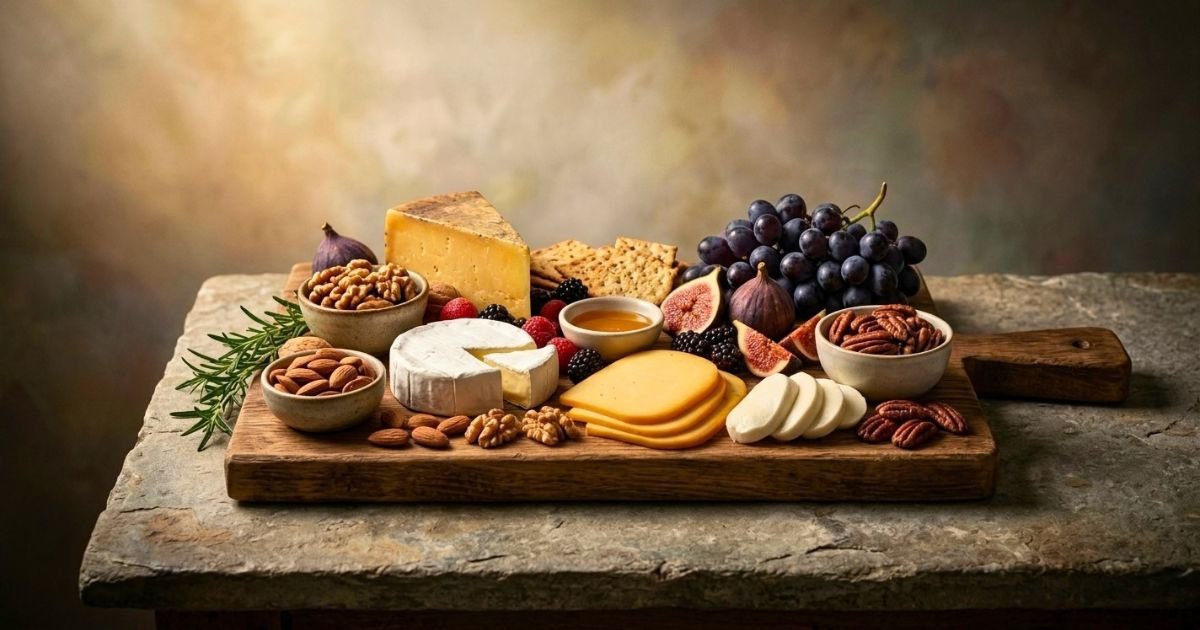
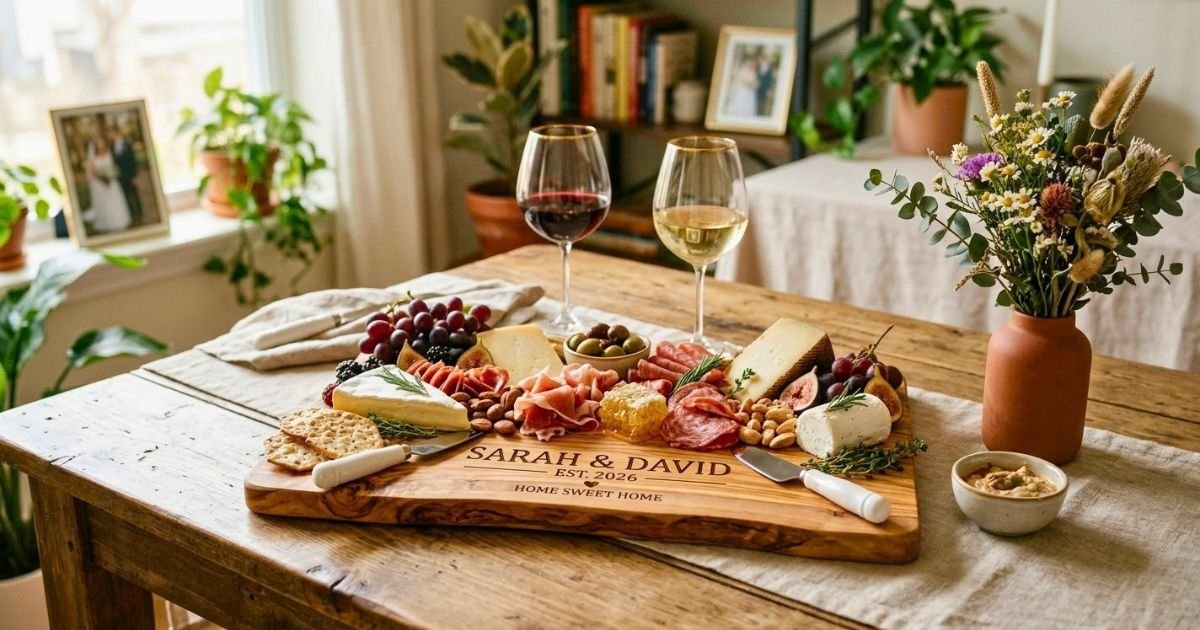
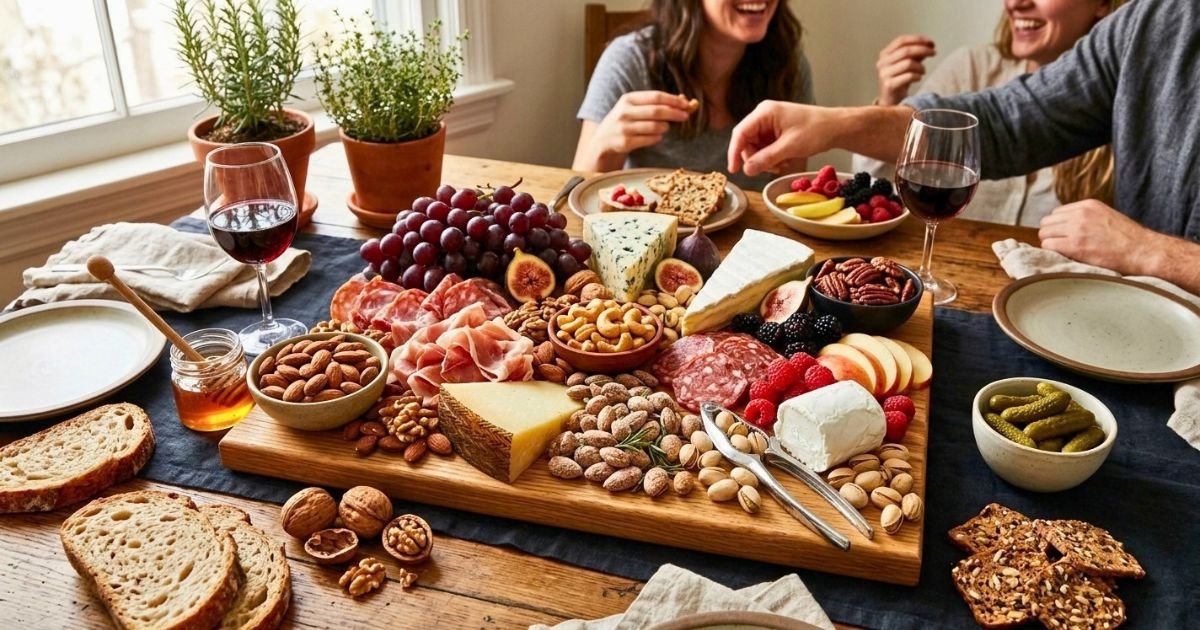
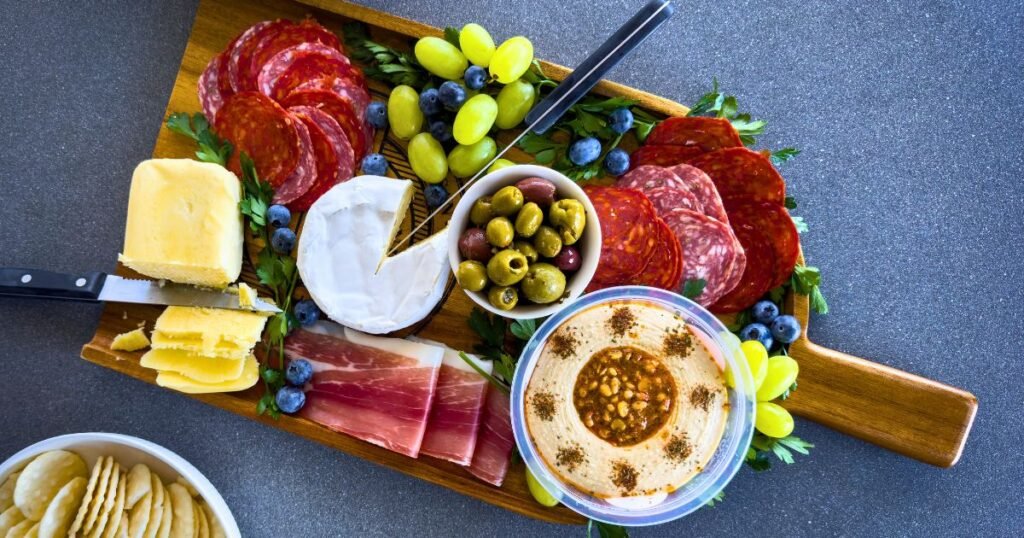
A large wood charcuterie board instantly transforms any gathering into an elevated culinary experience. What was once a simple arrangement of cheese and cured meats has evolved into a curated, artistic display of flavors, textures, and colors that encourages guests to gather, share, and explore food in a relaxed and social way.
Unlike traditional plated serving, a large board becomes the centerpiece of the entire event. It draws attention, sparks conversation, and creates a sense of abundance that feels both luxurious and welcoming. Whether it’s a dinner party, wedding reception, holiday celebration, or casual wine night, the visual impact of a well-styled wooden board is undeniable.
However, many people struggle with one key challenge: how to fill such a large surface without making it look messy or unbalanced? The secret lies in intentional design—balancing structure with abundance. A professional food stylist doesn’t just “fill space”; they create rhythm using contrast, repetition, and layering.
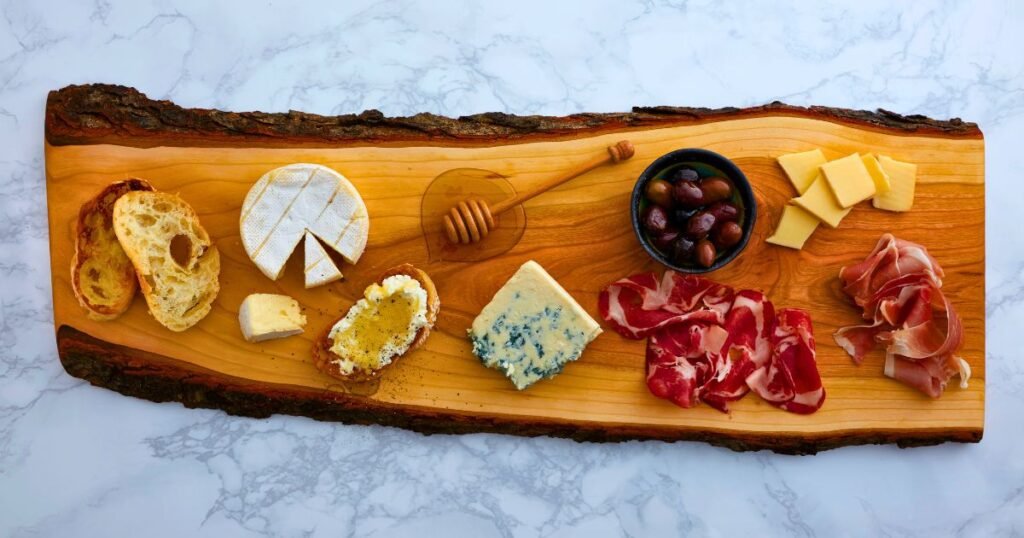
This guide breaks down everything from material selection to advanced styling methods so you can confidently design a large wood charcuterie board that looks professionally styled and beautifully inviting.
Table of Contents
Why Choose a Large Wood Charcuterie Board?
Before selecting ingredients, it’s important to understand why wood remains the gold standard for charcuterie presentation.
A large wooden board acts as both a functional serving surface and a natural decorative element. It brings warmth, authenticity, and visual depth that synthetic materials cannot replicate.
Aesthetic Appeal
Wood introduces natural texture through grain patterns, knots, and tones. This organic variation enhances food presentation, making cheeses appear creamier, fruits more vibrant, and meats more appetizing. Whether rustic farmhouse or modern minimalism, wood adapts effortlessly.
Versatility
A large wooden board is not limited to charcuterie alone.
It can be repurposed for:
- Brunch spreads
- Dessert grazing tables
- Sushi platters
- Breakfast boards
- Cocktail snack stations
- Build-your-own food bars
Sustainability
High-quality hardwood boards are eco-friendly when sourced responsibly. With proper care, a single board can last decades, reducing waste and replacing disposable serving trays.
Emotional Experience
Wood also adds psychological warmth. Guests subconsciously associate wooden textures with comfort, hospitality, and handcrafted care.
The Best Woods for Your Board
Selecting the right wood is essential for durability, hygiene, and long-term use.
Acacia
- Naturally water-resistant
- Rich, contrasting grain patterns
- Excellent durability for frequent entertaining
- Budget-friendly luxury appearance
Walnut
- Deep chocolate tones create a premium presentation
- Soft enough to be gentle on knives
- Ideal for elegant or upscale events
Maple
- Light, neutral tone enhances colorful food displays
- Extremely durable hardwood
- Most commonly used in professional kitchens
Teak
- Naturally oil-rich and moisture-resistant
- Highly durable and long-lasting
- Premium choice for high-end serving boards
Additional Insight: End-Grain vs Edge-Grain
- End-grain boards self-heal knife marks and are ideal for heavy use
- Edge-grain boards are smoother and better for presentation-focused boards
Choosing the Right Board Size and Style
Size is the foundation of visual balance.
A truly large charcuterie board typically starts at:
- 24–36 inches in length
- Or 18+ inches in diameter (round boards)
This allows space for layering without overcrowding.
Shapes and Features to Consider
Rectangular Boards
- Best for structured layouts and modern presentations. Ideal for creating “flow lines” like salami rivers and cheese sections.
Round Boards
- Encourage communal grazing. Naturally guide guests around the board in a circular motion.
Live Edge Boards
- Retain natural tree contours, adding rustic elegance and uniqueness. No two boards are identical.
Boards with Handles
- Perfect for transport-heavy serving situations. Especially useful for outdoor events or large gatherings.
Raised-Edge or Tray-Style Boards
- One of the most practical options for large spreads. Prevents overflow and keeps ingredients contained.
Professional Tip
- Always choose a board that is 30–40% larger than your estimated food volume. Space is not wasted—it is part of the design.
Creative Large Wood Charcuterie Board Ideas
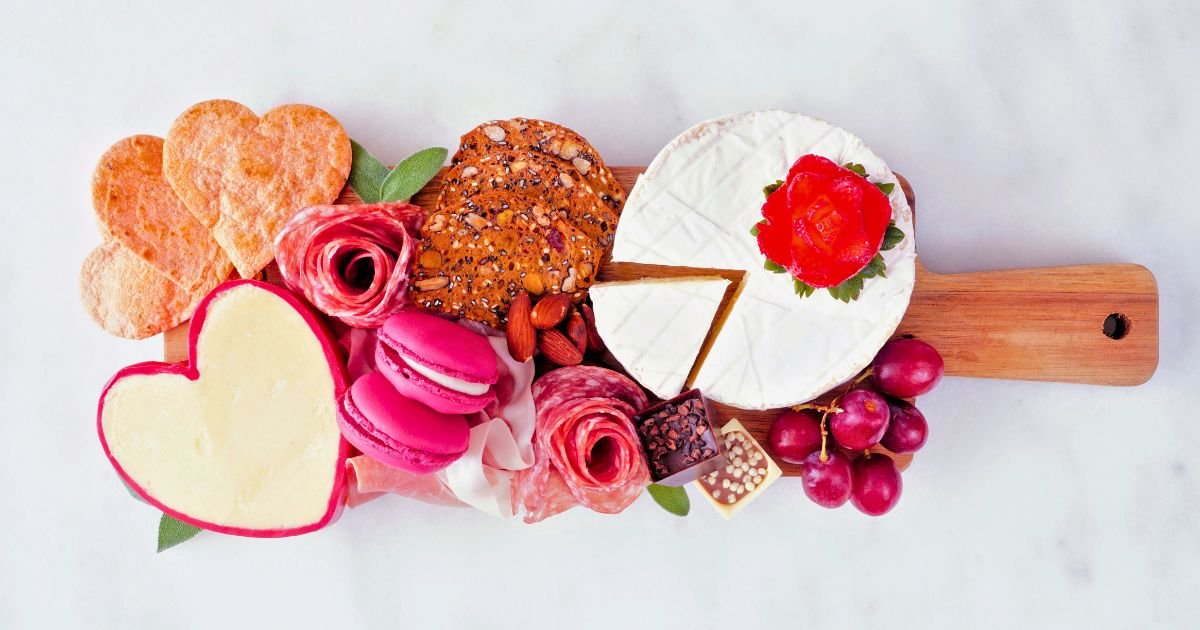
This is the fun part. A large wood charcuterie board is your canvas to get creative. Here are some of my favorite charcuterie ideas for parties that go beyond the standard.
The Classic “Abundance” Board
A traditional yet luxurious arrangement.
Includes:
- 5–7 cheese varieties (soft, hard, aged, blue)
- 3–4 cured meats
- Seasonal fruits
- Nuts and olives
- Artisan crackers
- Honey and fig jam
Styling Focus: Use symmetry on one side and flow on the other for visual balance.
The “Breakfast for Dinner” Brunch Board
A playful and family-friendly concept.
Includes:
- Mini waffles or pancakes
- Scrambled eggs or egg muffins
- Bacon and sausages
- Fresh berries and bananas
- Syrup, yogurt, and granola dips
The “Sweet & Salty” Dessert Board
Designed for visual impact and indulgence.
Includes:
- Chocolate varieties
- Cookies, brownies, macarons
- Caramel and chocolate dips
- Strawberries, raspberries, and dried fruits
- Pretzels and roasted nuts
The Mediterranean Mezze Board
Fresh, colorful, and health-focused.
Includes:
- Hummus, tzatziki, baba ganoush
- Olives and feta cubes
- Pita bread and crackers
- Fresh vegetables
- Olive oil and herbs
The Seasonal Holiday Board
Designed for storytelling through food.
Examples:
- Fall: pumpkin, pecans, cinnamon accents
- Christmas: cranberries, rosemary wreath design
- Summer: citrus, berries, fresh herbs
Food Pairing and Arrangement Tips
Styling is what separates amateur boards from professional ones.
Step 1: Place Your Anchors
- Start with bowls, cheeses, and large focal items. These create structure.
Step 2: Build Cheese Zones
- Distribute cheeses across the board instead of clustering them.
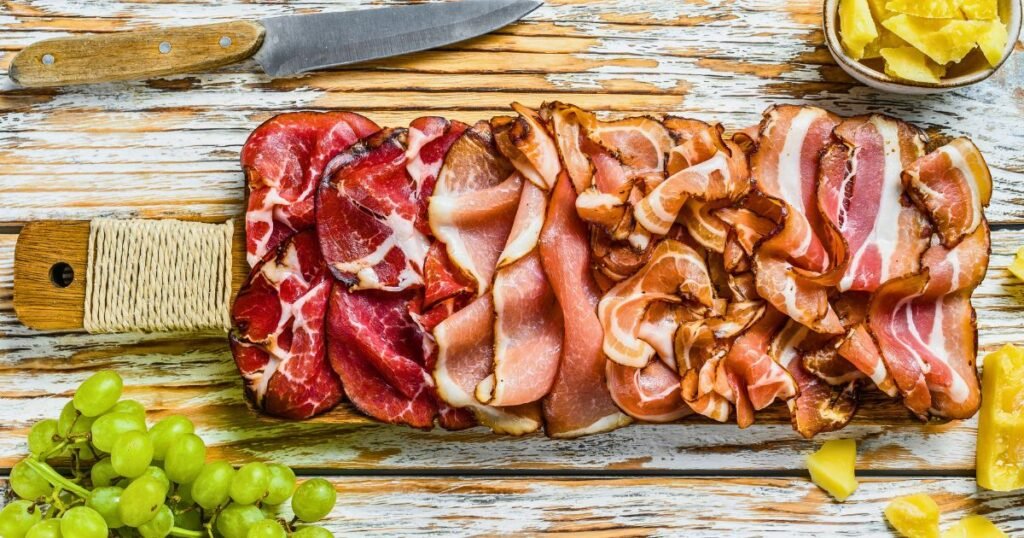
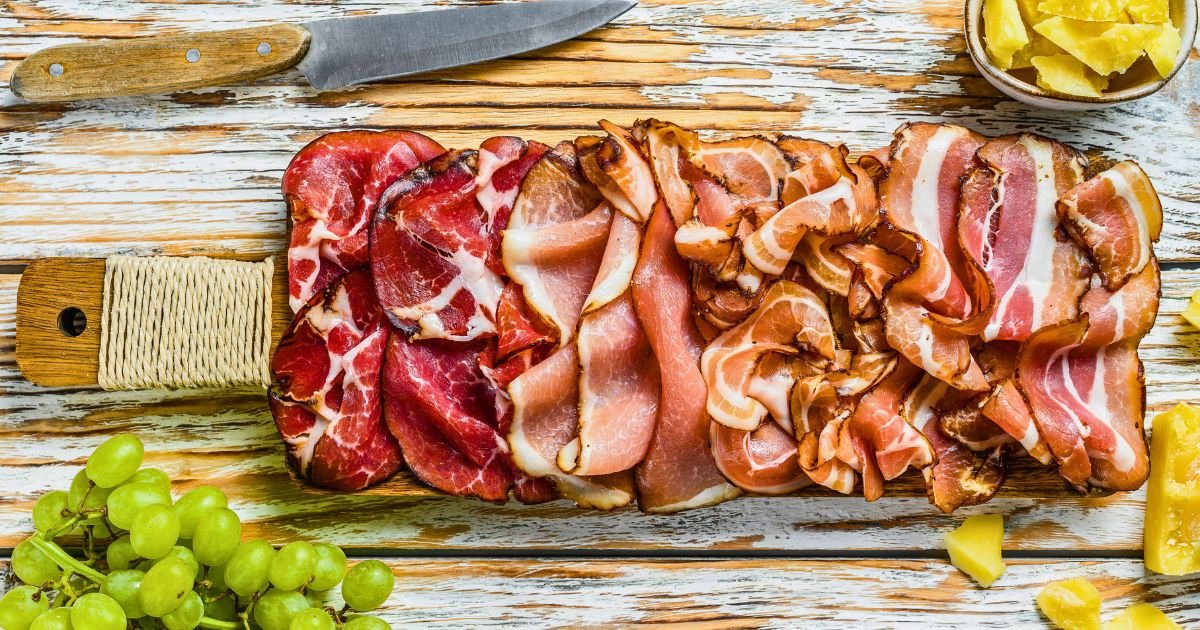
Step 3: Create a Flow with Meats
Use the “fold and fan” technique:
- Fold the salami into quarters
- Stack in flowing lines
- Create movement across the board
Step 4: Add Structural Fillers
- Crackers and breads act as visual bridges between sections.
Step 5: Fill Empty Spaces Intentionally
- Use fruits, nuts, and small bites strategically—not randomly.
Advanced Styling Principle: Color Blocking
- Never place similar colors side by side.
Instead, contrast:
- Golden crackers vs deep fruits
- Green grapes vs red berries
- White cheese vs dark meats
Serving and Presentation Techniques
Presentation elevates the entire experience.
Essential Tools
- Cheese knives for each cheese type
- Small tongs for meats
- Dip spoons for jams and honey
- Toothpicks for olives and fruits
Garnishing Strategy
Fresh herbs like rosemary, thyme, and basil enhance:
- Aroma
- Visual depth
- Luxury perception
Professional Hosting Tip
Always prepare in layers:
- Base layer (cheese, meats, bowls)
- Mid-layer (crackers, fruits)
- Final layer (garnish and accents)
Care and Maintenance of Wooden Charcuterie Boards
Proper maintenance ensures longevity.
Cleaning Rules
- Never soak in water
- Avoid the dishwasher entirely
- Use mild soap and a damp cloth only
Drying Method
- Always dry immediately
- Air dry vertically for airflow
Conditioning
- Apply food-grade mineral oil monthly
- Prevents cracking and dryness
- Enhances natural wood color
Storage Tips
- Store in a dry environment
- Avoid direct sunlight
- Keep away from heat sources
Additional Expert Tips for Perfect Styling
- Use Odd Numbers: Odd groupings (3, 5, 7) look more natural and balanced.
- Build Height Variation: Stack crackers, fold meats, and layer fruits for dimension.
- Mix Textures:
- Always include:
- Creamy
- Crunchy
- Juicy
- Crisp
- Always include:
- Think Like a Designer: A charcuterie board is not food placement—it is visual composition.
Frequently Asked Questions – Large Wood Charcuterie Board Ideas
Q. What size is considered a large charcuterie board?
- A large charcuterie board is typically 24 inches or longer, or around 18–24 inches in diameter for round styles. This size comfortably serves 8–12+ guests and allows for layered, abundant styling.
Q. What is the best wood for a charcuterie board?
- Hardwoods like acacia, walnut, maple, and teak are the best options. They are durable, food-safe when properly finished, and resistant to moisture and knife marks.
Q. How do you style a large charcuterie board without making it look crowded?
- Start with anchors like bowls and cheeses, then layer meats, crackers, and fillers. Leave small intentional gaps and balance colors and textures instead of stacking everything tightly.
Q. How much food do I need for a large charcuterie board?
- For 8–12 guests, plan around:
- 3–5 cheeses
- 3–4 cured meats
- 3–5 fruits
- 2–3 dips or spreads
- 2–3 types of crackers
- Small portions of nuts and extras
Q. Can I prepare a large charcuterie board in advance?
- Yes. You can prep meats, cheeses, and dips a few hours ahead. However, add crackers, bread, and fresh fruits just before serving to keep them crisp and fresh.
Q. How do I keep a wooden charcuterie board food-safe?
- Always hand-wash, dry immediately, and avoid soaking or using dishwashers. Regularly oil the board with food-grade mineral oil to prevent cracking and bacterial absorption.
Q. What foods should be avoided on a charcuterie board?
- Avoid overly wet foods, extremely oily items, or anything that spoils quickly at room temperature. Also, be careful with very soft fruits that can leak juice and make the board soggy.
Q. How do I transport a large charcuterie board safely?
- Use a board with handles or a tray-style board with raised edges. If possible, assemble heavier items first and carry them on a flat, stable surface with both hands.
Q. What is the best way to arrange food on a large board?
- Use a structured layering method:
- Start with bowls (dips, olives, nuts)
- Add cheeses as focal points
- Place meats in folds or “rivers.”
- Fill gaps with fruits, crackers, and garnishes
Q. Can I use a large charcuterie board for other foods?
- Absolutely. Large wood boards are perfect for brunch spreads, dessert boards, taco bars, fruit platters, and even breakfast grazing setups.
Final Thoughts
A large wood charcuterie board is more than a serving tool—it is an experience, a centerpiece, and a form of edible art. When styled thoughtfully, it transforms ordinary gatherings into memorable occasions filled with flavor, beauty, and connection. The key is not perfection, but balance. Combine color, texture, and structure with intention, and your board will always impress. With practice, you won’t just build charcuterie boards—you’ll design experiences your guests will remember long after the meal is over.