What Are Paring Knives: Used For Master Precision Cutting Like a Pro Chef
A paring knife may look like the simplest tool in a professional kitchen, but it is actually one of the most powerful instruments for precision work. While chef’s knives handle bulk chopping and bread knives handle crusty loaves, the paring knife dominates the world of fine detail.
So, what are paring knives used for?
They are designed for precision tasks like peeling, trimming, coring, slicing small ingredients, and performing detailed knife work that requires control rather than force.
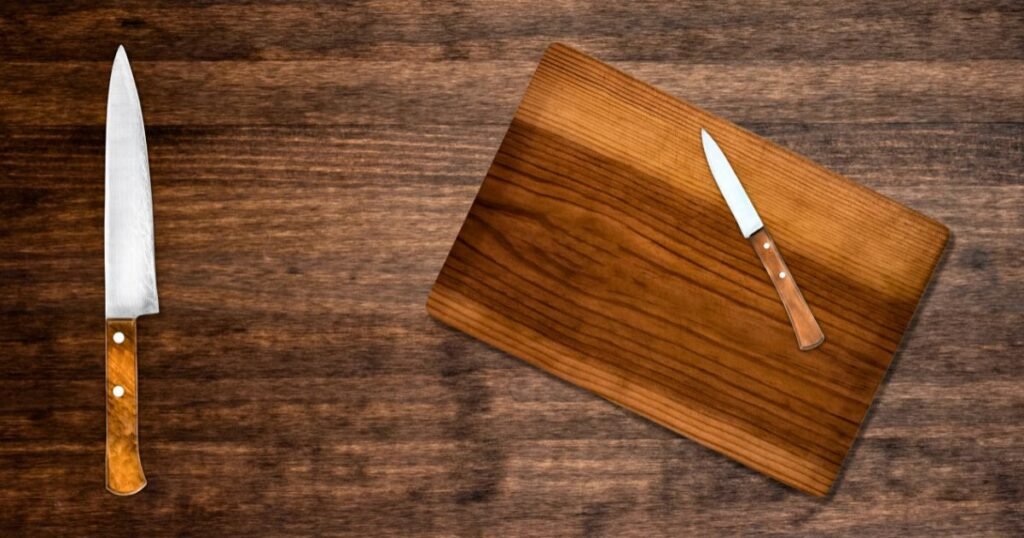
Think of it as the “detail brush” in a kitchen full of heavy tools. Once you understand its purpose, you quickly realise it is one of the most frequently used knives in everyday cooking.
Table of Contents
What Is a Paring Knife?
A paring knife is a compact kitchen knife with a blade typically between 2.5 and 4 inches, designed for precision cutting, in-hand work, and controlled slicing tasks.
Unlike larger knives that rely on cutting boards, paring knives are often used in the air—held in the hand while the ingredient is rotated.
Key Characteristics of a Paring Knife
- Short, lightweight blade for maximum control
- Sharp pointed tip for piercing and detailing
- Thin profile for precision cuts
- Ideal for in-hand (off-board) tasks
- Excellent maneuverability in tight spaces
This makes it the closest thing to a “surgical tool” in your kitchen setup.
Design and Materials: Western vs. Japanese
Paring knives come in different cultural styles, each offering unique performance advantages.
Western-Style Paring Knives
- Slightly heavier and more balanced
- Rounded belly for controlled slicing
- Usually made of stainless or high-carbon stainless steel
- Easier maintenance and durability for everyday use
Japanese-Style Paring Knives
- Thinner, ultra-sharp blades
- Harder steel for long-lasting edge retention
- Extremely precise cutting ability
- Requires careful handling to avoid chipping
Steel Types Comparison
- Stainless steel: Low maintenance, rust-resistant
- Carbon steel: Extremely sharp but requires oiling and care
- High-carbon stainless steel: Best balance of sharpness + durability
Different Types of Paring Knives
Not all paring knives are created equal. While they all serve the general purpose of detailed cutting, variations in blade shape change their specific utility.
Spear Point Paring Knife
The most common and versatile style.
- Slight curve for rocking cuts
- Sharp tip for piercing tasks
- Great all-purpose option for beginners
Serrated Paring Knife
Best for foods with soft interiors and tough skins.
- Ideal for tomatoes, citrus, and small bread rolls
- Works like a mini bread knife
- Prevents squashing delicate foods
Bird’s Beak (Tourné Knife)
A curved speciality knife.
- Designed for peeling round fruits
- Perfect for decorative cuts and garnishes
- Common in professional kitchens
Sheep’s Foot (Flat Edge Paring Knife)
- Straight blade for clean board cuts
- Excellent for slicing and precision chopping
- Stable and controlled cutting surface contact
What Are Paring Knives Used For?
The paring knife is arguably the most versatile tool in your kit for prep work. Below are the primary techniques where this small blade outshines the rest.
Peeling Fruits and Vegetables
One of the most common uses.
Instead of rotating a vegetable peeler, the paring knife allows full control over thickness and shape.
Best for:
- Apples
- Pears
- Potatoes
- Kiwi
- Ginger root
Advantage: You can remove only the skin without wasting edible flesh.
Coring and Hulling
Perfect for delicate fruit prep.
Examples:
- Removing strawberry stems cleanly
- Coring tomatoes without damaging the structure
- Removing seeds from peppers
The pointed tip gives surgical-level accuracy.
Mincing and Fine Dicing Small Ingredients
A paring knife excels when ingredients are too small for an expert chef’s knife.
Best for:
- Garlic cloves
- Shallots
- Chili peppers
- Herbs in small batches
Benefit: Extreme control without crushing ingredients.
Deveining Shrimp and Trimming Meat
Used for light protein prep tasks.
Common uses:
- Removing shrimp veins
- Trimming fat and silver skin
- Cleaning small cuts of meat
This replaces the need for oversized knives in delicate protein work.
Scoring Dough and Garnishes
Used in baking and plating.
- Helps bread expand evenly
- Creates decorative pastry patterns
- Adds artistic finishing touches to dishes
Segmenting Citrus Fruits (Supreming)
A professional technique for cleaning citrus segments.
- Removes peel and membrane
- Produces juice-only fruit slices
- Common in salads and desserts
This is where a paring knife outperforms peelers completely.
Everyday Quick Kitchen Tasks
Beyond cooking, it handles:
Quick prep jobs without dirtying large knives
- Opening packaging
- Cutting small snacks
- Slicing cheese cubes
- Quick prep jobs without dirtying large knives
How to Hold and Use a Paring Knife Safely?
Because paring knives are often used in the air (holding the food item in your hand rather than on a board), grip is crucial for safety.
The Pinch Grip (Board Work)
- Pinch blade base with thumb + index finger
- Offers maximum control
- Used when working on cutting boards
The In-Hand Grip (Peeling Grip)
- Hold the fruit in one hand
- Use controlled slicing motions toward the thumb
- Keep movements slow and precise
Safety Tip: Always cut away from your body and maintain slow, controlled motion.
Features That Define a Quality Paring Knife
If you are looking to upgrade your kitchen tools, keep these features in mind:
- High-carbon stainless steel for sharpness + durability
- Full tang construction for balance and strength
- Ergonomic handle for grip comfort
- Thin blade profile for precision work
- Fine edge retention for long-term sharpness
A good paring knife should feel like an extension of your fingers.
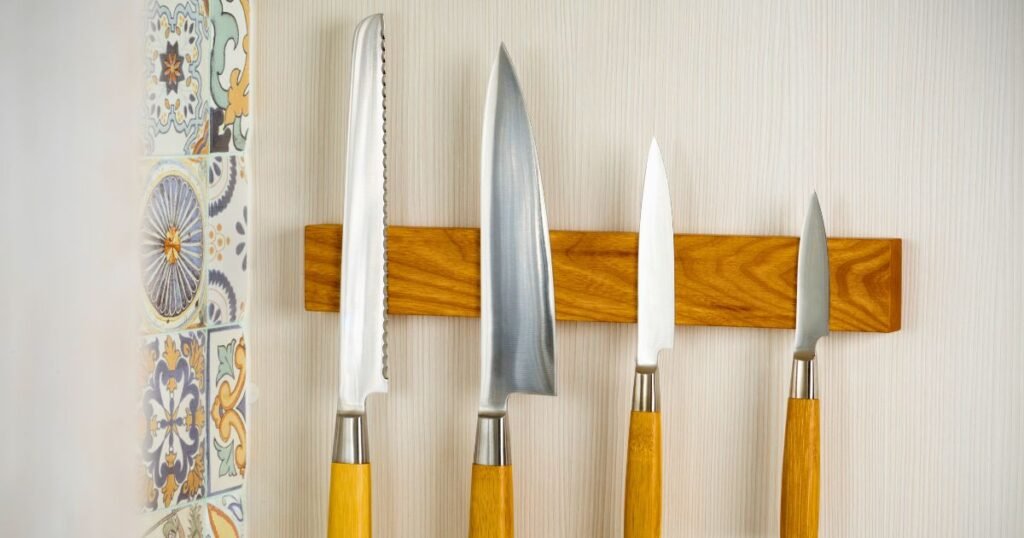
Paring Knife vs. The Rest of the Block
A common question is whether a paring knife is necessary if you already have a full set.
Here is how it compares:
| Knife Type | Paring Knife Advantage |
| Chef Knife | Better for detailed work |
| Vegetable Peeler | More control on uneven shapes |
| Tomato Knife | Better for precision fruit cuts |
| Cheese Knives | More control over uneven shapes |
Paring Knife vs. Chef’s Knife (and When to Use Each)
A common question for beginners is whether they really need both.
The answer is yes.
| Feature | Chef’s Knife | Paring Knife |
| Blade Length | 8 to 10 inches | 2.5 to 4 inches |
| Primary Use | Chopping, slicing, heavy prep | Peeling, coring, and detail work |
| Cutting Surface | Always a cutting board | Board or in-hand (air) |
| Best For | Watermelons, onions, and meat | Strawberries, garlic, citrus |
Frequently Asked Questions: What Are Paring Knives?
Q. What are paring knives mainly used for?
- Paring knives are used for precise tasks like peeling, trimming, coring, and cutting small ingredients that need full control.
Q. Can I use a paring knife instead of a chef’s knife?
- No. A paring knife is for detail work, while a chef’s knife is designed for chopping, slicing, and handling larger ingredients.
Q. What foods are best for a paring knife?
- It works best on small fruits, vegetables, garlic, herbs, strawberries, and any ingredient that requires careful handling.
Q. Is a paring knife good for peeling fruits?
- Yes, it is excellent for peeling apples, potatoes, kiwi, and other produce where precision matters more than speed.
Q. What size is a standard paring knife?
- Most paring knives are between 2.5 and 4 inches long, giving maximum control for detailed kitchen tasks.
Q. Can a paring knife cut meat?
- Only for small trimming tasks like removing fat or deveining shrimp—not for slicing or heavy meat cutting.
Q. What is the safest way to use a paring knife?
- Always cut slowly with controlled movements and keep your fingers away from the blade, especially during in-hand cutting.
Q. Do I really need a paring knife in my kitchen?
- Yes. It makes detailed prep safer, faster, and more precise than using larger knives for small tasks.
Final Thoughts
A paring knife may be small, but its impact on kitchen efficiency is enormous. It fills the critical gap between large chopping knives and delicate precision work. From peeling fruits to intricate garnishing, it gives you control that no other knife can match. Once you start using it properly, it quickly becomes one of the most frequently used tools in your kitchen.
If you want to cook like a professional, mastering the paring knife is not optional—it is essential.